Climate Summary (made with AI, use with caution)
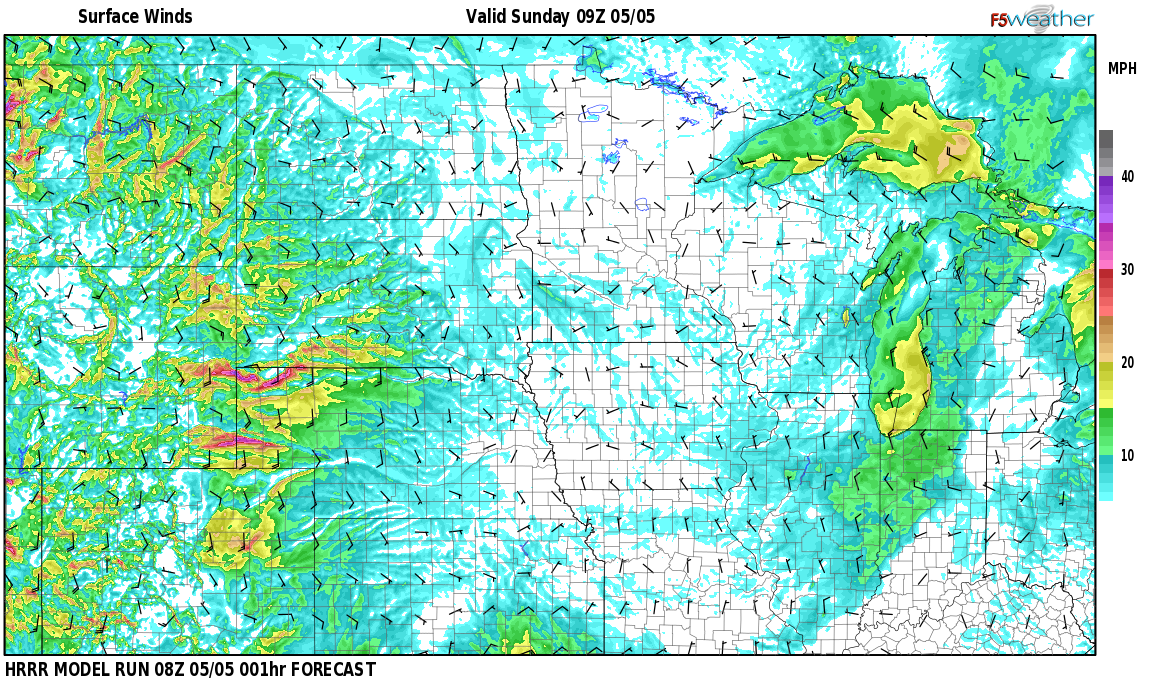
| Temperature • Average annual temperature: 42.9°F (6.1°C) • Average temperature in January: 18.3°F (-7.6°C) • Average temperature in July: 68.1°F (20.1°C) • Record high temperature: 105°F (40.6°C) • Record low temperature: -42°F (-41.1°C) Precipitation • Average annual precipitation: 30.33 inches (77.0 cm) • Average precipitation in January: 1.35 inches (3.4 cm) • Average precipitation in July: 4.24 inches (10.8 cm) • Record 24-hour precipitation: 8.89 inches (22.6 cm) Snowfall • Average annual snowfall: 49.6 inches (126 cm) • Average snowfall in January: 15.9 inches (40.4 cm) • Average snowfall in July: 0.0 inches (0.0 cm) • Record 24-hour snowfall: 22.0 inches (55.9 cm) Other Climate Data • Average annual relative humidity: 73% • Average annual wind speed: 10.2 mph (16.4 km/h) • Average annual sunshine: 2,500 hours Climate Summary Spooner, Wisconsin has a humid continental climate with warm, humid summers and cold, snowy winters. The average annual temperature is 42.9°F (6.1°C), with average temperatures ranging from 18.3°F (-7.6°C) in January to 68.1°F (20.1°C) in July. The average annual precipitation is 30.33 inches (77.0 cm), with most precipitation occurring in the summer months. The average annual snowfall is 49.6 inches (126 cm), with most snowfall occurring in the winter months. |
|
| Facts & Historical Information (made with AI, use with caution)
| Natural History • Spooner is located in the heart of the Upper St. Croix River Valley, renowned for its pristine waters and diverse wildlife. • The area is home to the St. Croix National Scenic Riverway, a federally protected waterway that supports a rich ecosystem of fish, birds, and mammals. • The Spooner Wildlife Area, located just east of the city, offers excellent opportunities for birdwatching and wildlife observation. Science • Spooner is home to the Spooner Research Station, a renowned facility for agricultural research. The station has been conducting cutting-edge research on dairy production, crop science, and soil management for over a century. • The University of Wisconsin-Spooner is a two-year college that offers a strong science curriculum, including programs in agriculture, biotechnology, and environmental science. Personalities John Muir:The famed conservationist and naturalist spent time in Spooner during the early 1900s, where he wrote portions of his influential book, \ |
| Tourist Attractions
| 1.Spooner Railroad Museum: This museum houses a collection of historic railroad equipment, including locomotives, passenger cars, and cabooses. Visitors can explore the exhibits and learn about the history of railroading in the area. 2.Spooner Lake: This scenic lake is a popular spot for fishing, boating, and swimming. There are also several hiking trails and picnic areas around the lake. 3.Northern Great Lakes Visitor Center: This visitor center provides information about the natural and cultural history of the Northern Great Lakes region. Visitors can learn about the area's wildlife, geology, and history. |
| Nearby Cities:| Shell Lake, WI | | Cumberland, WI | Rice Lake, WI | | Hayward, WI | Minneapolis, MN | | Saint Paul, MN | Bloomington, MN | | Duluth, MN | Brooklyn Park, MN | | Plymouth, MN | Maple Grove, MN | | Woodbury, MN | Eau Claire, WI | | Eagan, MN | Saint Cloud, MN | | Eden Prairie, MN | |
|