Climate Summary
(made with AI, use with caution)
| Silver Lake, Wisconsin Climate Summary General Climate • Silver Lake, Wisconsin experiences a humid continental climate, characterized by warm, humid summers and cold, snowy winters.
• The city is located in USDA Hardiness Zone 4b, which means that the average annual minimum temperature is between -20 and -15 degrees Fahrenheit.
• Silver Lake receives an average of 31 inches of precipitation per year, which is evenly distributed throughout the year. Summer • Summer temperatures in Silver Lake are warm and humid, with average highs in the low 80s and average lows in the mid-60s.
• The hottest month is July, with an average high of 84 degrees Fahrenheit.
• Summer days are typically sunny, with occasional thunderstorms. Winter • Winter temperatures in Silver Lake are cold and snowy, with average highs in the mid-20s and average lows in the single digits.
• The coldest month is January, with an average low of 1 degree Fahrenheit.
• Winter days are typically cloudy, with occasional snowstorms. Spring and Fall • Spring and fall temperatures in Silver Lake are mild, with average highs in the 50s and 60s and average lows in the 30s and 40s.
• Spring and fall days are typically sunny, with occasional rain showers. Precipitation • Silver Lake receives an average of 31 inches of precipitation per year, which is evenly distributed throughout the year.
• The wettest month is June, with an average of 4.5 inches of precipitation.
• The driest month is February, with an average of 1.5 inches of precipitation. Snowfall • Silver Lake receives an average of 46 inches of snow per year.
• The snowiest month is January, with an average of 12 inches of snow.
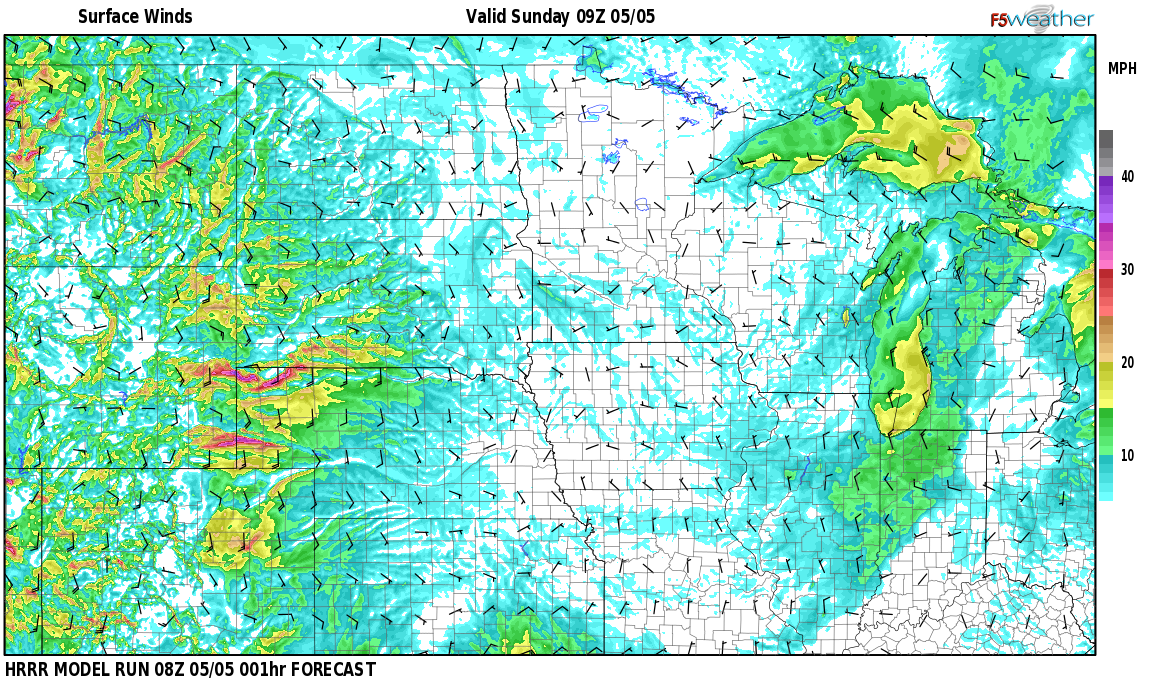
• Snowfall can occur from October through April. Wind • The prevailing wind direction in Silver Lake is from the west.
• Average wind speeds are 10 miles per hour. Climate Change • The climate in Silver Lake is changing, as it is in the rest of the world.
• Average temperatures have increased by about 2 degrees Fahrenheit over the past century.
• Precipitation patterns have also changed, with more extreme weather events, such as heavy rain storms and droughts, becoming more common. |
|
| Facts & Historical Information
(made with AI, use with caution)
| Natural History • Silver Lake is a glacial kettle lake formed during the last ice age. • The lake is home to a diverse array of aquatic plants, including water lilies, cattails, and rushes. • The surrounding forest is a mix of hardwoods and conifers, providing habitat for a variety of wildlife. Science • The lake's water quality has been extensively studied by scientists from the University of Wisconsin-Milwaukee. • The lake is a popular site for limnological research, which focuses on the study of freshwater ecosystems. • In 2015, Silver Lake was designated as a Wisconsin State Natural Area for its unique ecological value. Personalities John Muir:The renowned naturalist and conservationist visited Silver Lake in 1871 and described it as \ |
|
Tourist Attractions
| 1.Silver Lake Park is a 1,500-acre park with a 100-acre lake. The park offers a variety of activities, including swimming, fishing, boating, camping, and hiking. 2.The Ridges Sanctuary is a 1,600-acre nature preserve with a variety of habitats, including forests, prairies, and wetlands. The preserve offers hiking trails, a visitor center, and educational programs. 3.The Ice Age National Scenic Trail is a 1,200-mile trail that follows the path of the glaciers that carved out the Great Lakes. The trail passes through Silver Lake Park and The Ridges Sanctuary. |
|
Nearby Cities:| Wautoma, WI | | Mount Morris, WI | Redgranite, WI | | Dakota, WI | Princeton, WI | | Berlin, WI | Westfield, WI | | Montello, WI | King, WI | | Waupaca, WI | Weyauwega, WI | | Omro, WI | Ripon, WI | | Milwaukee, WI | | Madison, WI | Green Bay, WI | | Racine, WI | Appleton, WI | | Waukesha, WI | Oshkosh, WI | | Janesville, WI | West Allis, WI | | La Crosse, WI | North La Crosse, WI | | Sheboygan, WI | |
|