Climate Summary
(made with AI, use with caution)
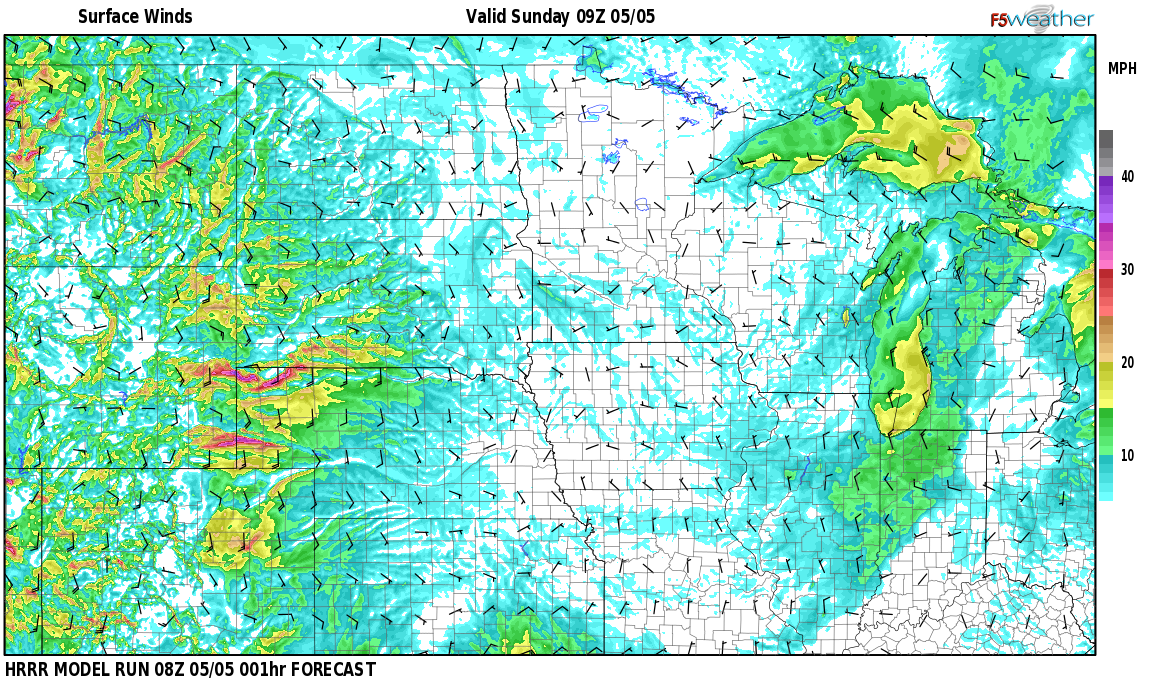
| Richmond, Wisconsin, United States has a humid continental climate (Dfb) with warm, humid summers and cold, snowy winters. July is the warmest month of the year with an average high of 84°F (29°C) and an average low of 59°F (15°C). January is the coldest month of the year with an average high of 25°F (-4°C) and an average low of 8°F (-13°C). Richmond receives an average of 34 inches (86 cm) of precipitation per year, with the majority of it falling during the summer months. The city also receives an average of 44 inches (112 cm) of snow per year. Overall, Richmond has a temperate climate with four distinct seasons. The city is a popular destination for outdoor recreation, with many opportunities for hiking, biking, fishing, and camping. Here is a more detailed look at the climate data for Richmond, Wisconsin: • Average temperature 46°F (8°C) • Average annual precipitation 34 inches (86 cm) • Average annual snowfall 44 inches (112 cm) • Number of days with measurable precipitation 120 • Number of days with snow 50 • Average relative humidity 75% • Average wind speed 10 mph (16 km/h) The climate in Richmond is influenced by its location in the Upper Midwest. The city is located in a region that is known for its cold winters and hot summers. The city is also located near Lake Michigan, which helps to moderate the temperature. The climate in Richmond is also affected by the jet stream. The jet stream is a band of high-altitude winds that flows from west to east. The jet stream can cause changes in the weather, such as storms and temperature changes. Overall, the climate in Richmond is temperate and enjoyable. The city has four distinct seasons, with each season offering its own unique activities and attractions. |
|
| Facts & Historical Information
(made with AI, use with caution)
| Natural History • Richmond is home to the Richmond Marsh, a 1,200-acre wetland teeming with diverse flora and fauna. • The marsh is a critical habitat for migratory birds, including sandhill cranes, great blue herons, and bald eagles. Science • In 1963, the Richmond Field Station was established as a research facility for the University of Wisconsin-Madison. • The station conducts ecological studies on the marsh and surrounding prairies, contributing to the understanding of wetland ecosystems. Personalities John Muir (1838-1914):The renowned naturalist and conservationist spent time in Richmond, inspiring his appreciation for wetlands. Aldo Leopold (1887-1948):The influential ecologist and author visited Richmond to study the marsh, which influenced his writings on land ethics. |
|
Tourist Attractions
| 1.Willow Creek Winery This award-winning winery offers wine tastings, tours, and a beautiful outdoor patio overlooking the vineyards. 2.Richmond Lake This scenic lake is perfect for fishing, boating, or simply relaxing on the shore. There are also several hiking trails in the area. 3.Geneva Lake Located just a short drive from Richmond, Geneva Lake is a popular destination for boating, fishing, and swimming. There are also several restaurants and shops along the lakefront. |
|
Nearby Cities:| Delavan, WI | | Darien, WI | Whitewater, WI | | Elkhorn, WI | Delavan Lake, WI | | Milton, WI | Clinton, WI | | Williams Bay, WI | Fontana, WI | | Palmyra, WI | Walworth, WI | | Janesville, WI | Sharon, WI | | Como, WI | Fort Atkinson, WI | | Lake Koshkonong, WI | Lake Geneva, WI | | Chicago, IL | | Milwaukee, WI | Madison, WI | | Aurora, IL | Rockford, IL | | Joliet, IL | Naperville, IL | | Elgin, IL | Kenosha, WI | | Waukegan, IL | West Town, IL | | Near North Side, IL | |
|