Climate Summary
(made with AI, use with caution)
| Powers Lake, Wisconsin has a humid continental climate, characterized by warm, humid summers and cold, snowy winters. Temperature
• Average annual temperature: 45.6°F (7.6°C)
• Average summer temperature (June-August): 68.1°F (20.1°C)
• Average winter temperature (December-February): 20.6°F (-6.3°C)
• Record high temperature: 106°F (41°C)
• Record low temperature: -42°F (-41°C)
Precipitation
• Average annual precipitation: 33.2 inches (843 mm)
• Average snowfall: 50.6 inches (128.5 cm)
• Number of days with precipitation: 120
Humidity
• Average annual relative humidity: 74%
• Average summer relative humidity: 77%
• Average winter relative humidity: 70%
Wind
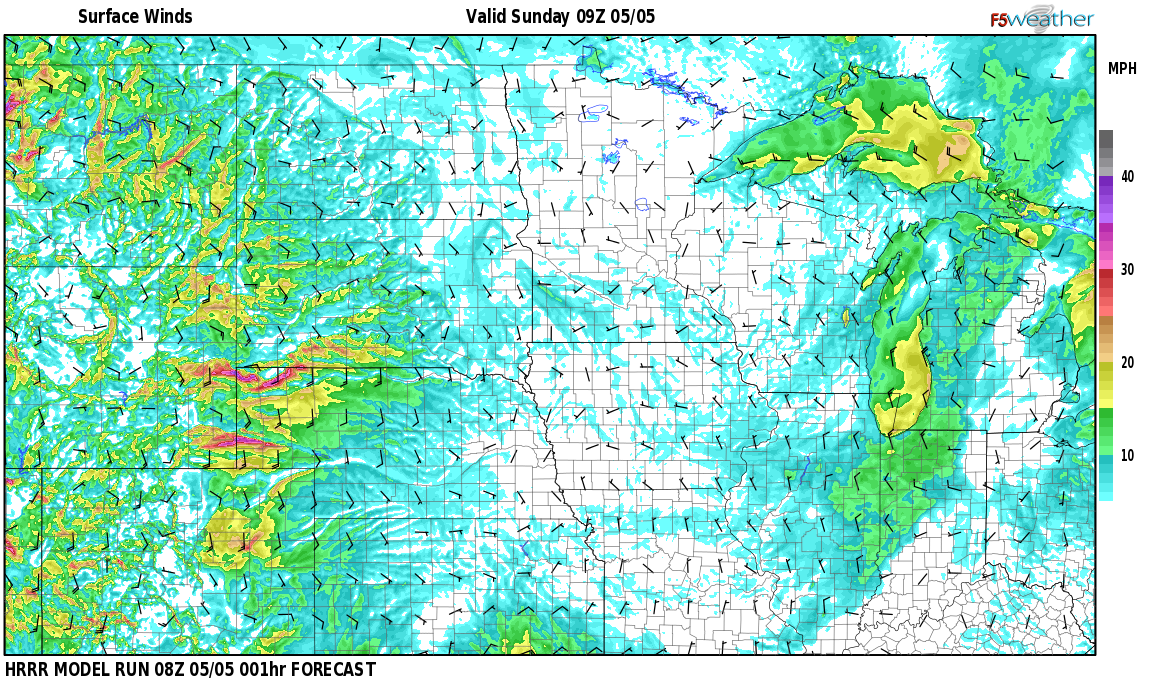
• Average wind speed: 10.2 mph (16.4 km/h)
• Prevailing wind direction: West-southwest
Climate Summary Powers Lake, Wisconsin experiences a humid continental climate with warm, humid summers and cold, snowy winters. The average annual temperature is 45.6°F (7.6°C), with average summer temperatures reaching 68.1°F (20.1°C) and average winter temperatures dropping to 20.6°F (-6.3°C). The area receives an average of 33.2 inches (843 mm) of precipitation annually, including 50.6 inches (128.5 cm) of snowfall. The average annual relative humidity is 74%, with higher humidity in the summer months. The prevailing wind direction is west-southwest, with an average wind speed of 10.2 mph (16.4 km/h). |
|
| Facts & Historical Information
(made with AI, use with caution)
| Natural History • Powers Lake is a kettle lake formed by retreating glaciers 12,000 years ago. • The lake is home to a diverse array of fish species, including muskellunge, northern pike, and largemouth bass. Science • The lake is a popular site for limnological research, studying the physical, chemical, and biological characteristics of freshwater ecosystems. • Scientists have documented the presence of rare and endangered species in the lake, including the Blanding's turtle and the northern harrier. Personalities • Dr. Edward Birge, a renowned limnologist, conducted extensive research on Powers Lake in the early 20th century. • The lake was named after William Powers, an early settler who built a sawmill on its shores. • The area around Powers Lake has been home to Native American tribes for centuries, including the Menominee and Potawatomi. |
|
Tourist Attractions
| 1.Powers Lake is a beautiful lake located in Walworth County, Wisconsin. It is a popular destination for swimming, boating, and fishing. The lake is also home to a variety of wildlife, including bald eagles, osprey, and herons. 2.Yerkes Observatory is a world-renowned astronomical observatory located in Williams Bay, Wisconsin. The observatory is home to the Yerkes Refracting Telescope, which was the largest refracting telescope in the world when it was built in 1897. The observatory is also home to a number of other telescopes, including the Keck I and Keck II telescopes. 3.Big Foot Beach State Park is a state park located on the shores of Lake Michigan in Walworth County, Wisconsin. The park is a popular destination for swimming, sunbathing, and picnicking. The park also has a number of hiking trails and a campground. |
|
Nearby Cities:| Twin Lakes, WI | | Pell Lake, WI | Genoa City, WI | | Richmond, IL | Silver Lake, WI | | Camp Lake, WI | Spring Grove, IL | | Lake Geneva, WI | Burlington, WI | | Hebron, IL | Salem, WI | | Channel Lake, IL | Lake Catherine, IL | | Paddock Lake, WI | Pistakee Highlands, IL | | Como, WI | Antioch, IL | | Chicago, IL | | Milwaukee, WI | Madison, WI | | Aurora, IL | Rockford, IL | | Joliet, IL | Naperville, IL | | Elgin, IL | South Bend, IN | | Kenosha, WI | Waukegan, IL | | West Town, IL | |
|