Climate Summary
(made with AI, use with caution)
| Port Edwards, WI Climate Summary General Climate • Port Edwards, Wisconsin experiences a humid continental climate, characterized by warm, humid summers and cold, snowy winters.
• The city is located in USDA Plant Hardiness Zone 4b, which means that the average annual minimum temperature is between -20 and -15 degrees Fahrenheit.
• The growing season in Port Edwards typically lasts from early May to late September, with an average of 160 frost-free days. Temperature • The average annual temperature in Port Edwards is 43.4 degrees Fahrenheit.
• The warmest month is July, with an average temperature of 70.1 degrees Fahrenheit.
• The coldest month is January, with an average temperature of 16.8 degrees Fahrenheit.
• The highest temperature ever recorded in Port Edwards was 107 degrees Fahrenheit on July 13, 1936.
• The lowest temperature ever recorded in Port Edwards was -48 degrees Fahrenheit on January 22, 1932. Precipitation • The average annual precipitation in Port Edwards is 32.84 inches.
• The wettest month is June, with an average precipitation of 4.44 inches.
• The driest month is February, with an average precipitation of 1.49 inches.
• Port Edwards receives an average of 52.4 inches of snow per year.
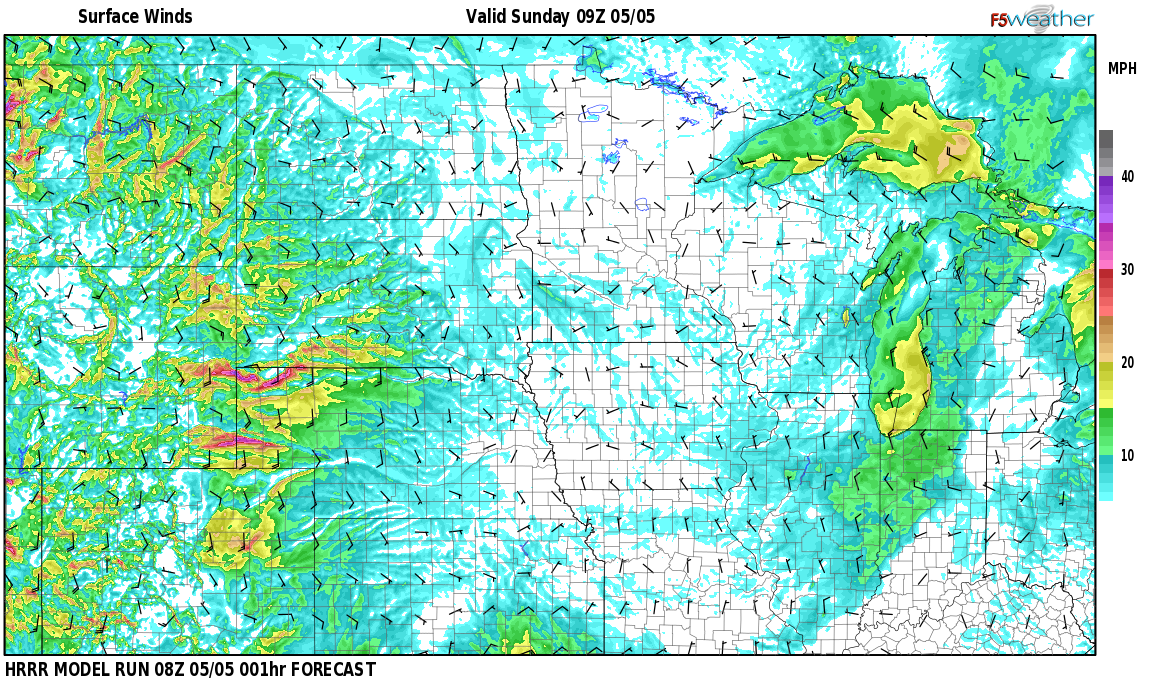
• The snowiest month is January, with an average snowfall of 10.6 inches. Wind • The prevailing wind direction in Port Edwards is from the west.
• The average wind speed is 10.2 miles per hour.
• The strongest winds typically occur in the winter months. Severe Weather • Port Edwards is located in an area that is prone to severe weather, including tornadoes, hail, and thunderstorms.
• The city is also at risk for flooding, especially during the spring and summer months. Climate Change • The climate in Port Edwards is changing, as it is in many parts of the world.
• The average annual temperature has increased by about 1 degree Fahrenheit over the past century.
• The growing season has also become longer, with an average of 10 more frost-free days per year.
• These changes are likely to continue in the future, and they could have a significant impact on the environment and economy of Port Edwards. |
|
| Facts & Historical Information
(made with AI, use with caution)
| Natural History • Port Edwards is home to the Wisconsin Rapids Hydroelectric Dam, one of the largest hydroelectric dams in the state, which harnesses the power of the Wisconsin River. • The Port Edwards Marsh is a 500-acre natural area that provides habitat for various wildlife species, including migratory birds and amphibians. Science • In 1944, the Nekoosa Edwards Paper Company (now Domtar Paper Company) developed the first commercial photocopy paper, known as Nekoosa Bond. • The company also played a significant role in the development of synthetic fibers, including rayon and nylon. Personalities • Edward Alexander, a lumber baron and founder of Port Edwards, established the Alexander School of Commerce in 1883, which later became the University of Wisconsin-Stevens Point at Marshfield. • George Mead, a prominent paper industry executive, was born in Port Edwards in 1863. He founded the Mead Corporation, which became one of the largest paper companies in the world. |
|
Tourist Attractions
| 1.Alexander House Center for Art & History This historic mansion showcases local and regional art exhibitions, as well as historical artifacts and exhibits on the area's past. 2.Port Edwards Riverwalk A scenic paved trail along the Wisconsin River, offering picturesque views, fishing spots, and picnic areas. 3.Grand Marsh Wildlife Area A vast wetland complex with hiking trails, observation towers, and opportunities for wildlife viewing, including birds, deer, and waterfowl. |
|
Nearby Cities:| Wisconsin Rapids, WI | | Nekoosa, WI | Rome, WI | | Plover, WI | Whiting, WI | | Stevens Point, WI | Madison, WI | | Green Bay, WI | Appleton, WI | | Eau Claire, WI | Oshkosh, WI | | La Crosse, WI | North La Crosse, WI | | Sheboygan, WI | Fond du Lac, WI | | Wausau, WI | Menomonee Falls, WI | | Manitowoc, WI | |
|