Climate Summary
(made with AI, use with caution)
| Onalaska, Wisconsin, located in the United States, experiences a humid continental climate characterized by warm, humid summers and cold, snowy winters. Here's a summary of the climate conditions in Onalaska:1.Temperature
• Average Annual Temperature: 46.6°F (8.1°C)
• Average Summer Temperature (June-August): 70.6°F (21.4°C)
• Average Winter Temperature (December-February): 22.3°F (-5.4°C)
• Record High Temperature: 107°F (41.7°C)
• Record Low Temperature: -41°F (-40.6°C)
2. Precipitation
• Average Annual Precipitation: 33.7 inches (85.6 cm)
• Average Snowfall: 49.4 inches (125.5 cm)
• Wettest Month: June (4.5 inches or 11.4 cm)
• Driest Month: February (1.6 inches or 4.1 cm)
3. Humidity
• Average Annual Relative Humidity: 76%
• Highest Humidity: July (82%)
• Lowest Humidity: January (69%)
4. Wind
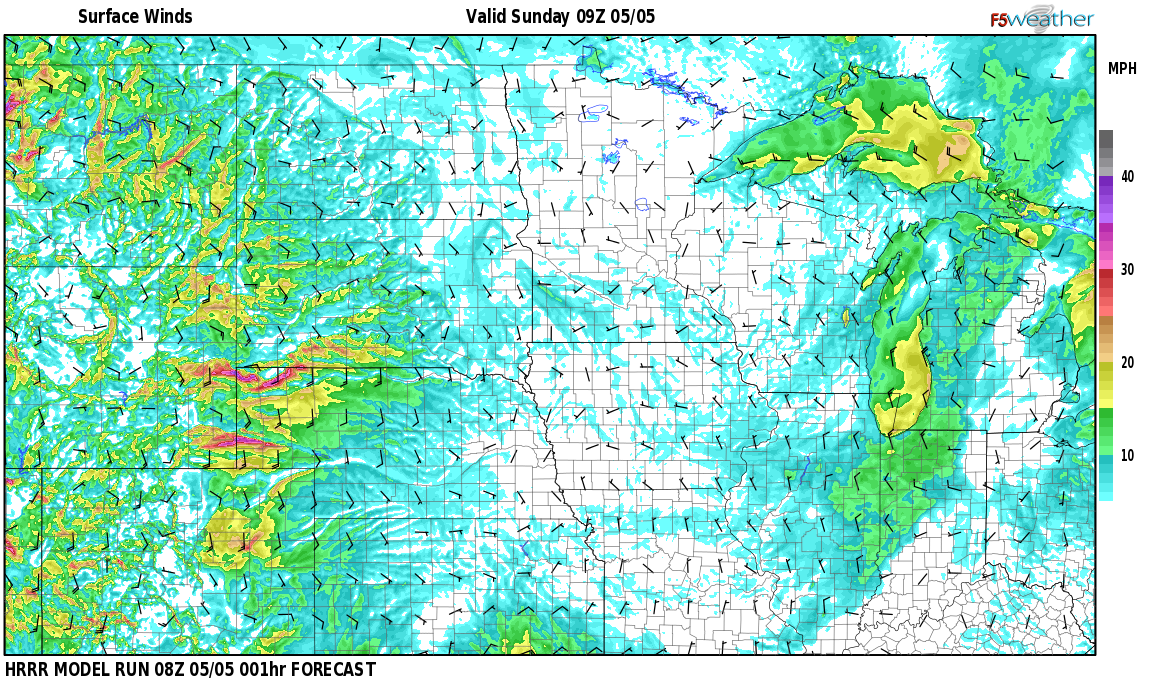
• Average Annual Wind Speed: 10.4 mph (16.7 km/h)
• Prevailing Wind Direction: Northwest
5. Climate Classification
• Köppen Climate Classification: Dfb (Warm Summer Continental Climate)
6. Seasons
• Spring (March-May): Temperatures gradually rise from cool to mild, with occasional warm spells. Precipitation is variable, with a mix of rain and snow.
• Summer (June-August): Warm and humid, with average temperatures in the 70s Fahrenheit (20s Celsius). Thunderstorms and heavy rainfall are common.
• Fall (September-November): Temperatures cool down, and the leaves change color. Precipitation decreases, and the air becomes crisp and dry.
• Winter (December-February): Cold and snowy, with average temperatures below freezing. Snowfall is common, and wind chills can make it feel even colder.
Overall, Onalaska's climate is influenced by its location in the Midwest, with warm and humid summers and cold and snowy winters. The city experiences distinct seasonal changes and receives a moderate amount of precipitation throughout the year. |
|
| Facts & Historical Information
(made with AI, use with caution)
| Natural History • Onalaska is home to the Upper Mississippi River National Wildlife and Fish Refuge, a vast sanctuary for migratory birds and other wildlife. • The Mississippi River bluffs near Onalaska feature unique geological formations, including limestone cliffs and sandstone caves. • The area's wetlands provide critical habitat for waterfowl, fish, and amphibians. Science • Onalaska is the site of the University of Wisconsin-La Crosse's Field Station, a research and education center dedicated to environmental studies. • The city has a strong focus on renewable energy, with numerous solar and wind projects in the area. • Local scientists have conducted groundbreaking research on the ecology and conservation of the Mississippi River ecosystem. Personalities Thomas B. Reed(1839-1902): A prominent politician who served as Speaker of the U.S. House of Representatives and was known as \ |
|
Tourist Attractions
| 1.Grandad Bluff - A scenic overlook with panoramic views of the Mississippi River Valley. 2.Myrick Hixon EcoPark - A 1,300-acre park with hiking trails, a nature center, and a butterfly garden. 3.La Crosse Queen Cruise - A riverboat cruise that offers scenic views of the Mississippi River and the surrounding bluffs. |
|
Nearby Cities:| North La Crosse, WI | | La Crescent, MN | La Crosse, WI | | Holmen, WI | West Salem, WI | | Bangor, WI | Trempealeau, WI | | Galesville, WI | Portland, WI | | Sparta, WI | Caledonia, MN | | Winona, MN | Westby, WI | | Cashton, WI | Saint Paul, MN | | Madison, WI | Rochester, MN | | Bloomington, MN | Waterloo, IA | | Woodbury, MN | Eau Claire, WI | | Eagan, MN | Burnsville, MN | | Lakeville, MN | Dubuque, IA | | Apple Valley, MN | |
|