Climate Summary
(made with AI, use with caution)
| Mayville, Wisconsin, experiences a humid continental climate, characterized by warm, humid summers and cold, snowy winters. The city's climate is influenced by its location in the Midwestern United States, as well as its proximity to Lake Michigan. Temperature • Average high temperature in July: 82°F (28°C)
• Average low temperature in January: 12°F (-11°C)
• Average annual temperature: 47°F (8°C) Precipitation • Average annual precipitation: 33 inches (84 cm)
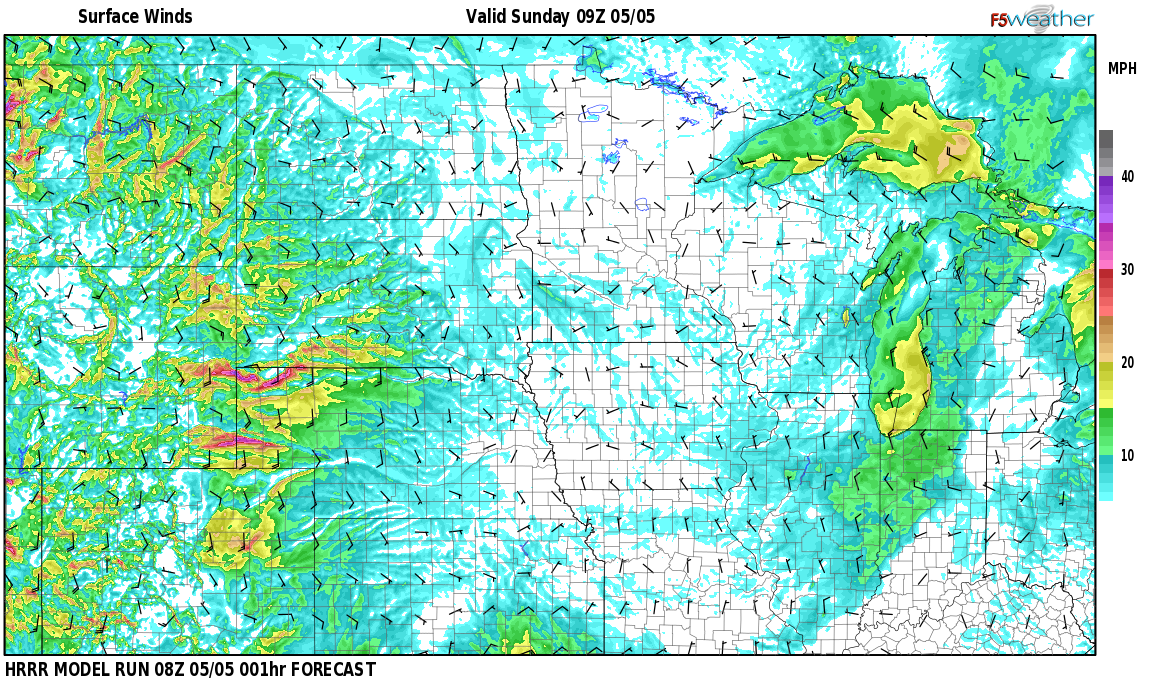
• Average snowfall: 42 inches (107 cm) Humidity • Average relative humidity: 75% Wind • Average wind speed: 10 mph (16 km/h) Climate Summary • Mayville's climate is characterized by warm, humid summers and cold, snowy winters.
• The city receives an average of 33 inches of precipitation per year, including 42 inches of snowfall.
• The average annual temperature is 47°F (8°C).
• The average relative humidity is 75%.
• The average wind speed is 10 mph (16 km/h). Climate Extremes • Record high temperature: 105°F (41°C)
• Record low temperature: -38°F (-39°C) Climate Change • Mayville's climate is changing, with average temperatures rising and precipitation patterns becoming more extreme.
• The city has seen an increase in the number of days with temperatures above 90°F (32°C) and a decrease in the number of days with temperatures below 0°F (-18°C).
• Mayville is also experiencing more heavy rainfall events, which can lead to flooding. Climate Impacts • Climate change is having a number of impacts on Mayville, including:
• Increased heat waves, which can lead to heat-related illnesses and deaths.
• More frequent and severe storms, which can cause damage to property and infrastructure.
• Changes in plant and animal life, as some species are unable to adapt to the changing climate.
• Increased flooding, which can damage property and infrastructure and displace residents. Climate Adaptation and Mitigation • Mayville is taking steps to adapt to and mitigate the impacts of climate change, including:
• Investing in energy efficiency and renewable energy to reduce greenhouse gas emissions.
• Planting trees and creating green spaces to help reduce heat island effects.
• Upgrading infrastructure to make it more resilient to extreme weather events.
• Developing emergency plans to help residents prepare for and respond to climate-related disasters. Conclusion Mayville's climate is changing, and the city is taking steps to adapt to and mitigate the impacts of climate change. Residents can help by reducing their greenhouse gas emissions, planting trees, and getting involved in local climate action efforts. |
|
| Facts & Historical Information
(made with AI, use with caution)
| Natural History • Mayville's Kettle Moraine State Forest is a glacial remnant with rolling hills, kettle lakes, and diverse flora and fauna. • The Horicon Marsh, a vast wetland ecosystem, lies just west of Mayville and supports a wide range of migratory birds and wildlife. Science • Mayville was the site of the Horicon Marsh International Experiment Station, a pioneering research facility established in 1933 to study wetlands ecology. • The station's research contributed to the understanding of wetland hydrology, wildlife management, and the impact of human activities on ecosystems. Personalities • Dr. John T. Curtis, a renowned ecologist, conducted groundbreaking research at the Horicon Marsh International Experiment Station. • Aldo Leopold, the father of wildlife ecology, frequently visited the Horicon Marsh and drew inspiration from its natural beauty. • Mayville native, Dr. William H. Sheldon, developed the Sheldon Scale, a method for classifying human body types. |
|
Tourist Attractions
| 1.Mayville Park is a beautiful park located on the shores of Lake Winnebago. The park features a playground, picnic areas, a fishing pier, and a boat launch. 2.The Wade House Historic Site is a living history museum that tells the story of the Wade family, who were early settlers in Wisconsin. The site includes a restored farmhouse, a barn, and a schoolhouse. 3.The Horicon Marsh National Wildlife Refuge is a vast wetland area that is home to a variety of wildlife, including birds, fish, and mammals. The refuge offers a variety of hiking trails, observation towers, and canoeing opportunities. |
|
Nearby Cities:| Theresa, WI | | Horicon, WI | Lomira, WI | | Addison, WI | Juneau, WI | | Hustisford, WI | Ashford, WI | | Oakfield, WI | Waupun, WI | | Hartford, WI | Campbellsport, WI | | Beaver Dam, WI | Kewaskum, WI | | Slinger, WI | Lamartine, WI | | Alto, WI | Barton, WI | | Chicago, IL | | Milwaukee, WI | Madison, WI | | Aurora, IL | Rockford, IL | | Naperville, IL | Elgin, IL | | Green Bay, WI | Kenosha, WI | | Waukegan, IL | West Town, IL | | Near North Side, IL | |
|