Climate Summary (made with AI, use with caution)
| Darlington, Wisconsin experiences a humid continental climate, characterized by warm, humid summers and cold, snowy winters. Here's a summary of the climate in Darlington: Temperature • Average annual temperature: 45.3°F (7.4°C) • Average summer temperature (June-August): 68.6°F (20.3°C) • Average winter temperature (December-February): 20.7°F (-6.3°C) • Record high temperature: 108°F (42.2°C) • Record low temperature: -43°F (-41.7°C)
Precipitation • Average annual precipitation: 32.62 inches (82.9 cm) • Average snowfall: 43.5 inches (110.5 cm) • Number of days with measurable precipitation: 104 days • Number of days with measurable snowfall: 30 days
Humidity • Average annual relative humidity: 73.2% • Highest monthly average relative humidity: 80.6% (January) • Lowest monthly average relative humidity: 63.5% (July)
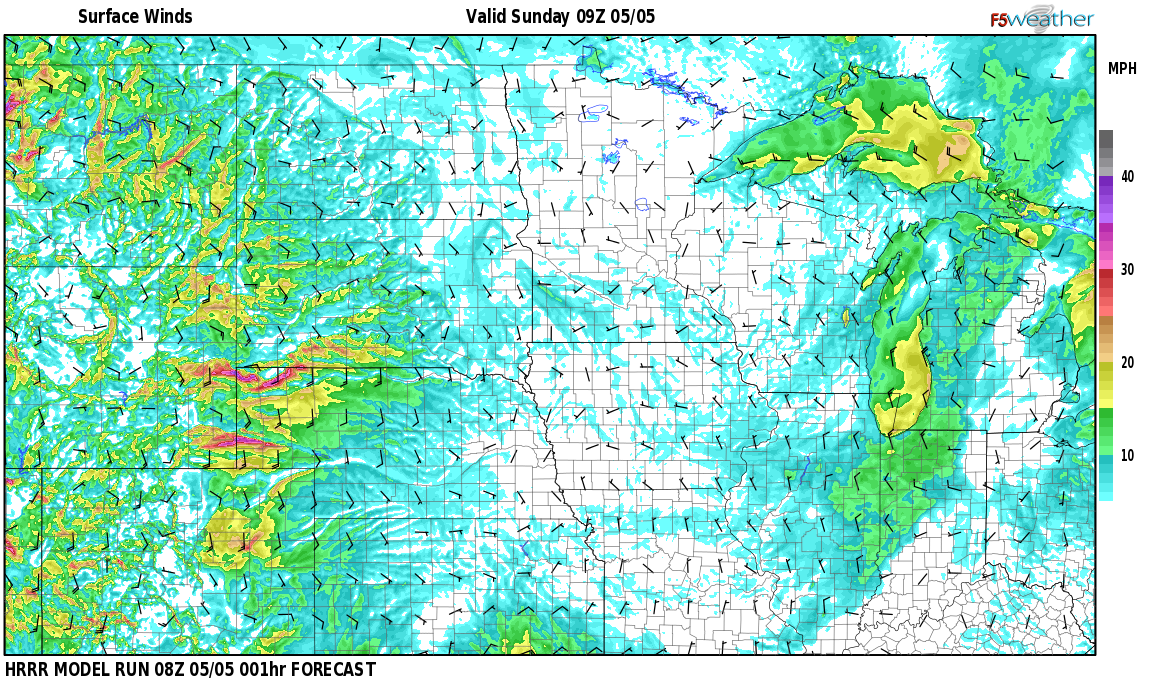
Wind • Average annual wind speed: 10.2 mph (16.4 km/h) • Prevailing wind direction: West-northwest
Climate Extremes • Darlington has experienced extreme weather events, including tornadoes, hailstorms, and severe thunderstorms. • The city is also prone to occasional flooding, especially during spring and early summer when snowmelt and heavy rains can cause rivers and streams to overflow.
Overall, Darlington's climate is characterized by warm summers, cold winters, and moderate precipitation. The city experiences a mix of sunny and cloudy days throughout the year, with occasional periods of extreme weather. |
|
| Facts & Historical Information (made with AI, use with caution)
| Natural History • Darlington is home to theTiffany Bottoms, a 1,000-acre wetland complex that supports a diverse ecosystem of plants and animals. • ThePecatonica River flows through Darlington, providing habitat for fish, turtles, and waterfowl. Science • TheDarlington Assembly, a geological formation, is one of the most complete and well-preserved fossil records of the Ordovician period in the world. • In 1899, Darlington became the first city in Wisconsin to install anelectric street lighting system. Personalities John Muir, the renowned naturalist and conservationist, visited Darlington in 1891 and gave a lecture on the importance of protecting wilderness areas.Frank Lloyd Wright, the famous architect, designed theSmith Housein Darlington, which is now a National Historic Landmark. |
| Tourist Attractions
| 1.House on the Rock - This unique and sprawling attraction features a collection of unusual and eclectic exhibits, including a carousel with 269 animals, a music machine with over 10,000 pipes, and a dollhouse with over 12,000 pieces. 2.Taliesin Preservation - This historic site was the home and studio of renowned architect Frank Lloyd Wright. Visitors can tour the estate, which includes Wright's home, studio, and school. 3.New Glarus Woods State Park - This scenic park offers hiking, biking, and cross-country skiing trails, as well as a campground and picnic areas. The park is also home to a variety of wildlife, including deer, turkeys, and eagles. |
| Nearby Cities:| Shullsburg, WI | | Mineral Point, WI | Warren, IL | | Cuba City, WI | Platteville, WI | | Dodgeville, WI | Hazel Green, WI | | Stockton, IL | Galena, IL | | Monroe, WI | Dickeyville, WI | | Milwaukee, WI | | Madison, WI | Aurora, IL | | Rockford, IL | Naperville, IL | | Cedar Rapids, IA | Elgin, IL | | Davenport, IA | Kenosha, WI | | Waukegan, IL | Racine, WI | | Arlington Heights, IL | |
|