Climate Summary
(made with AI, use with caution)
| Brothertown, Wisconsin Climate Summary Temperature • Average annual temperature: 46.5°F (8.1°C)
• Average January temperature: 21.5°F (-5.8°C)
• Average July temperature: 71.5°F (21.9°C)
• Record high temperature: 105°F (40.6°C)
• Record low temperature: -41°F (-40.6°C) Precipitation • Average annual precipitation: 32.5 inches (82.6 cm)
• Average snowfall: 46.5 inches (118.1 cm)
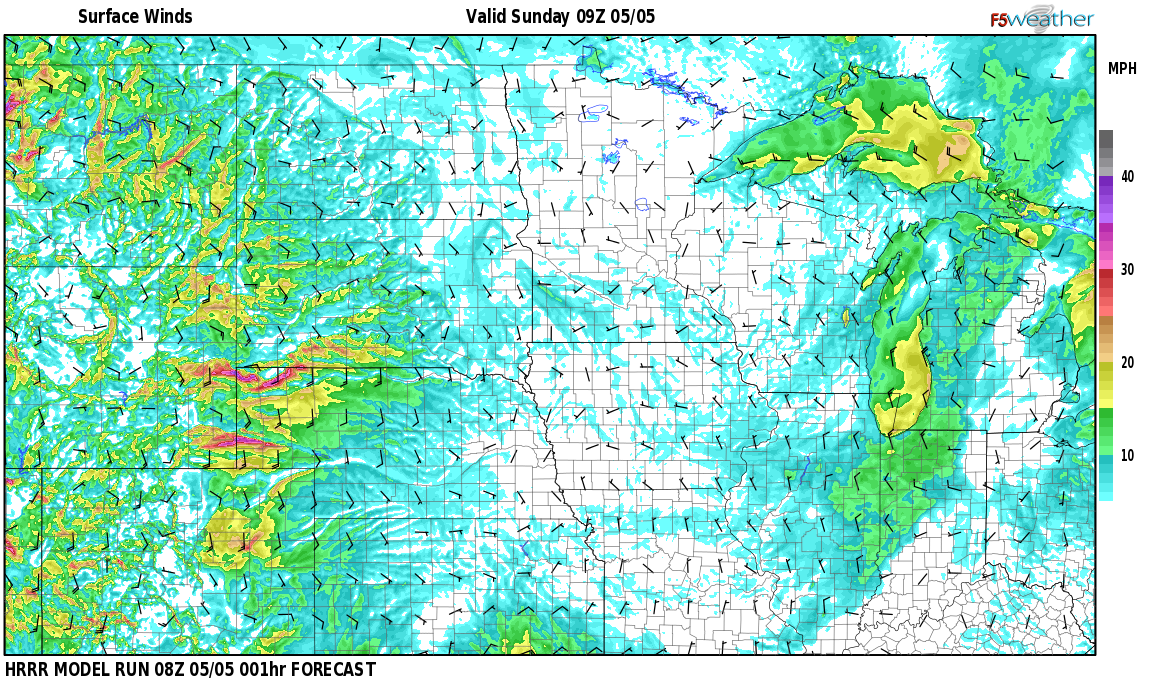
• Number of days with precipitation: 110 Humidity • Average annual relative humidity: 72% Wind • Average wind speed: 10 mph (16 km/h) Climate Type • Humid continental climate Growing Season • Average frost-free period: 140 days Climate Summary Brothertown, Wisconsin has a humid continental climate with warm, humid summers and cold, snowy winters. The average annual temperature is 46.5°F (8.1°C). The average January temperature is 21.5°F (-5.8°C), and the average July temperature is 71.5°F (21.9°C). The record high temperature is 105°F (40.6°C), and the record low temperature is -41°F (-40.6°C). Brothertown receives an average of 32.5 inches (82.6 cm) of precipitation per year, including 46.5 inches (118.1 cm) of snow. The average annual relative humidity is 72%. The average wind speed is 10 mph (16 km/h). The growing season in Brothertown lasts for about 140 days, from late April to early October. Climate Change The climate in Brothertown is changing. The average annual temperature has increased by about 1°F (0.6°C) since the late 19th century. The number of days with precipitation has also increased, and the amount of snowfall has decreased. These changes are expected to continue in the future. Climate Change Impacts Climate change is having a number of impacts on Brothertown, including: • More extreme weather events, such as heat waves, droughts, and floods
• Changes in plant and animal life
• Increased risk of flooding and erosion
• Changes in agricultural yields Climate Adaptation The community of Brothertown is working to adapt to the impacts of climate change. Some of the things that are being done include: • Planting trees to help reduce flooding and erosion
• Using more energy-efficient appliances and equipment
• Investing in renewable energy sources
• Educating the public about climate change Climate Action The community of Brothertown is also taking action to reduce greenhouse gas emissions. Some of the things that are being done include: • Reducing energy consumption
• Using more renewable energy sources
• Improving energy efficiency
• Encouraging the use of public transportation The community of Brothertown is committed to taking action on climate change. By working together, we can create a more sustainable future for our community. |
|
| Facts & Historical Information
(made with AI, use with caution)
| Natural History and Science • Brothertown is home to the largest remaining stand of old-growth oak savanna in the Midwest, with over 1,000 acres of oak, hickory, and prairie grasses. • The town is located at the confluence of the Fox and Wolf Rivers, creating a diverse ecosystem that supports a variety of fish, birds, and mammals. • The Brothertown Marsh State Natural Area is a 3,000-acre wetland complex that provides habitat for numerous migratory waterfowl and other wildlife. Personalities Charles Augustus Grignon:A fur trader and explorer who established a trading post in Brothertown in the early 1800s. His home, Grignon Mansion, is now a historic landmark. Augustus Meeker:A missionary and abolitionist who founded the Brothertown Indian School in 1849. The school provided education and vocational training to Native American children. John Muir:The renowned naturalist and conservationist visited Brothertown in 1891 and was impressed by its natural beauty. He wrote about the town in his book \ |
|
Tourist Attractions
| 1.Brothertown Indian Nation Cultural Center: This museum and cultural center showcases the history and culture of the Brothertown Indian Nation. Visitors can learn about the tribe's traditions, language, and way of life through exhibits, artifacts, and interactive displays. 2.Stockbridge-Munsee Community Center: This community center offers a variety of programs and activities for visitors, including cultural workshops, art exhibitions, and traditional dance performances. The center also has a museum that tells the story of the Stockbridge-Munsee people. 3.Calumet County Park: This park offers a variety of outdoor activities, including hiking, fishing, camping, and picnicking. The park also has a swimming pool, playground, and boat launch. |
|
Nearby Cities:| Chilton, WI | | Saint Peter, WI | New Holstein, WI | | Oshkosh, WI | Kiel, WI | | North Fond du Lac, WI | Hilbert, WI | | Fond du Lac, WI | Sherwood, WI | | Neenah, WI | Menasha, WI | | Eldorado, WI | Harrison, WI | | Brillion, WI | Lamartine, WI | | Combined Locks, WI | Rosendale, WI | | Milwaukee, WI | | Madison, WI | Green Bay, WI | | Kenosha, WI | Waukegan, IL | | Racine, WI | Waukesha, WI | | Janesville, WI | West Allis, WI | | Sheboygan, WI | Wauwatosa, WI | | Crystal Lake, IL | |
|