Climate Summary (made with AI, use with caution)
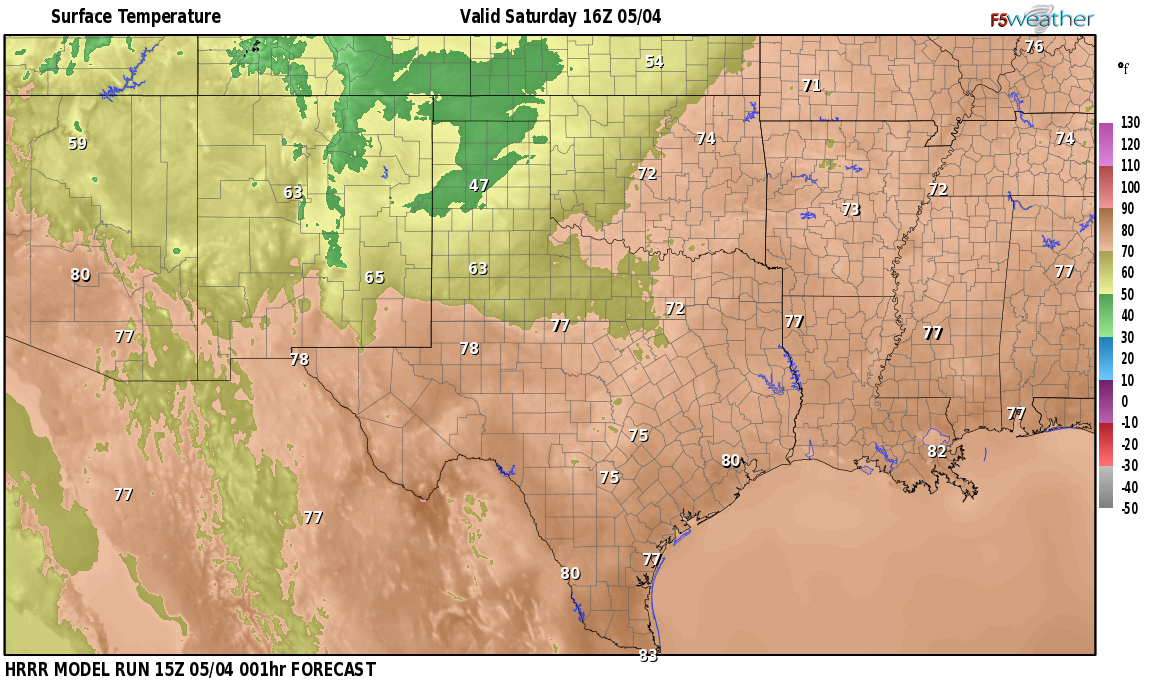
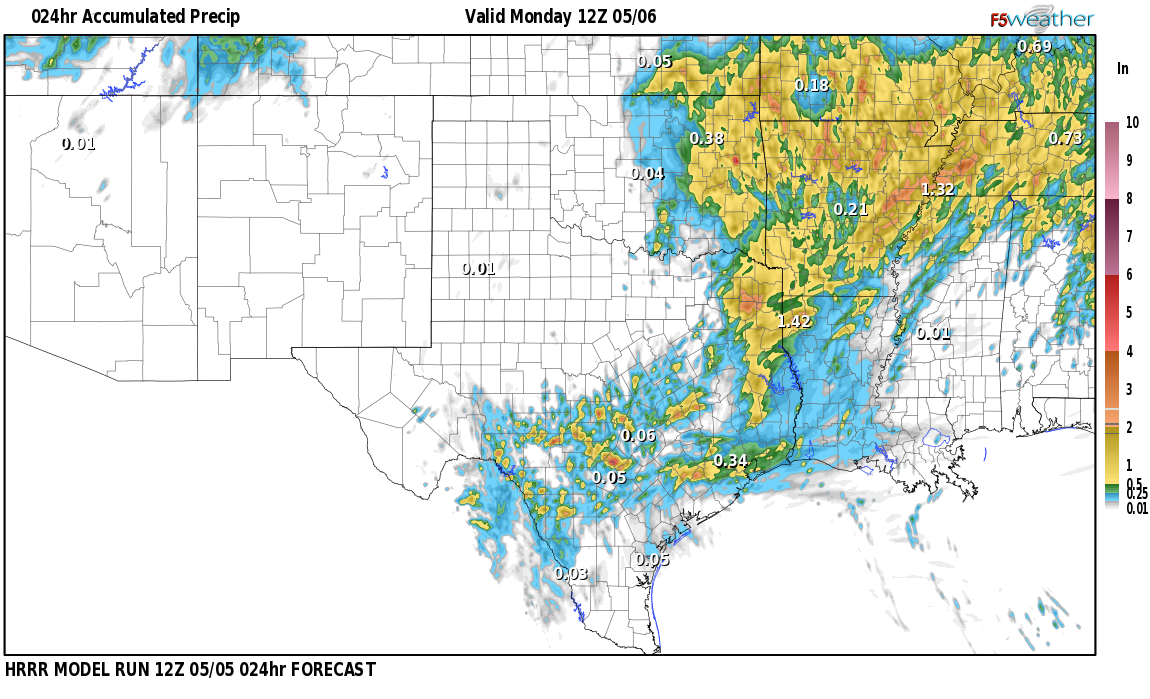
| Fort Clark Springs, TX Climate Summary Location Edwards Plateau region of Central Texas Climate Zone Humid subtropical Average Annual Temperature 68.1°F (20.1°C) Average Annual Precipitation 34.2 inches (869 mm) Seasonal Climate Spring (March-May) • Warm and humid • Average temperature: 60.1-78.8°F (15.6-26°C) • Average precipitation: 8.9 inches (226 mm)
Summer (June-August) • Hot and humid • Average temperature: 82.5-95.6°F (28.1-35.3°C) • Average precipitation: 10.2 inches (259 mm)
Fall (September-November) • Mild and dry • Average temperature: 52.4-75.2°F (11.3-24°C) • Average precipitation: 7.2 inches (183 mm)
Winter (December-February) • Cool and wet • Average temperature: 38.9-58.8°F (3.8-14.9°C) • Average precipitation: 7.9 inches (201 mm)
Extreme Weather • Tornadoes Fort Clark Springs is located in Tornado Alley and experiences an average of 1-2 tornadoes per year. • Droughts The region is prone to occasional droughts, particularly during the summer months. • Flooding Heavy rainfall can lead to flooding, especially during the spring and fall. Other Climate Features • Sunshine Fort Clark Springs receives an average of 257 sunny days per year. • Humidity The area is generally humid throughout the year, with average relative humidity ranging from 60-80%. • Wind Prevailing winds are from the south and southeast. |
|
| Facts & Historical Information (made with AI, use with caution)
| Fort Clark Springs, located in West Texas, is a site with a rich natural and historical past. Natural History • The springs are fed by the Edwards Aquifer, one of the largest freshwater aquifers in the world. • The springs create a unique ecosystem, supporting diverse plant and animal life, including the endangered fountain darter fish. • The area is home to several endemic species, such as the Fort Clark Springs snail. Science • In the 1850s, the springs were a popular destination for scientists studying the local flora and fauna. • The springs were also used as a testing site for early irrigation techniques. • Today, the springs are still an important research site for hydrologists and ecologists. Personalities • The springs were named after William Clark of the Lewis and Clark Expedition. • In the 1800s, the springs were a popular stop for travelers on the Chihuahua Trail. • The springs played a role in the Indian Wars and the Civil War. |
| Tourist Attractions
| 1.Fort Clark Springs State Historical Site is a 1,000-acre park that features the remains of a 19th-century military fort. The site also includes a museum, picnic areas, and hiking trails. 2.Devils River State Natural Area is a 30,000-acre park that is home to a variety of wildlife, including deer, javelinas, and birds. The park also features several hiking trails, including the Devils River Trail, which is a 12-mile loop trail that follows the Devils River. 3.Amistad National Recreation Area is a 65,000-acre park that is located on the border of Texas and Mexico. The park is home to a variety of recreational activities, including boating, fishing, camping, and hiking. The park also features several historical sites, including the ruins of the mission of San Lorenzo de la Santa Cruz. |
| Nearby Cities:| Brackettville, TX | | San Antonio, TX | | Del Rio, TX | Eagle Pass, TX | | Kerrville, TX | Uvalde, TX | | Boerne, TX | Leon Valley, TX | | Fredericksburg, TX | Pearsall, TX | | Pleasanton, TX | Hondo, TX | | Eidson Road, TX | |
|