Climate Summary (made with AI, use with caution)
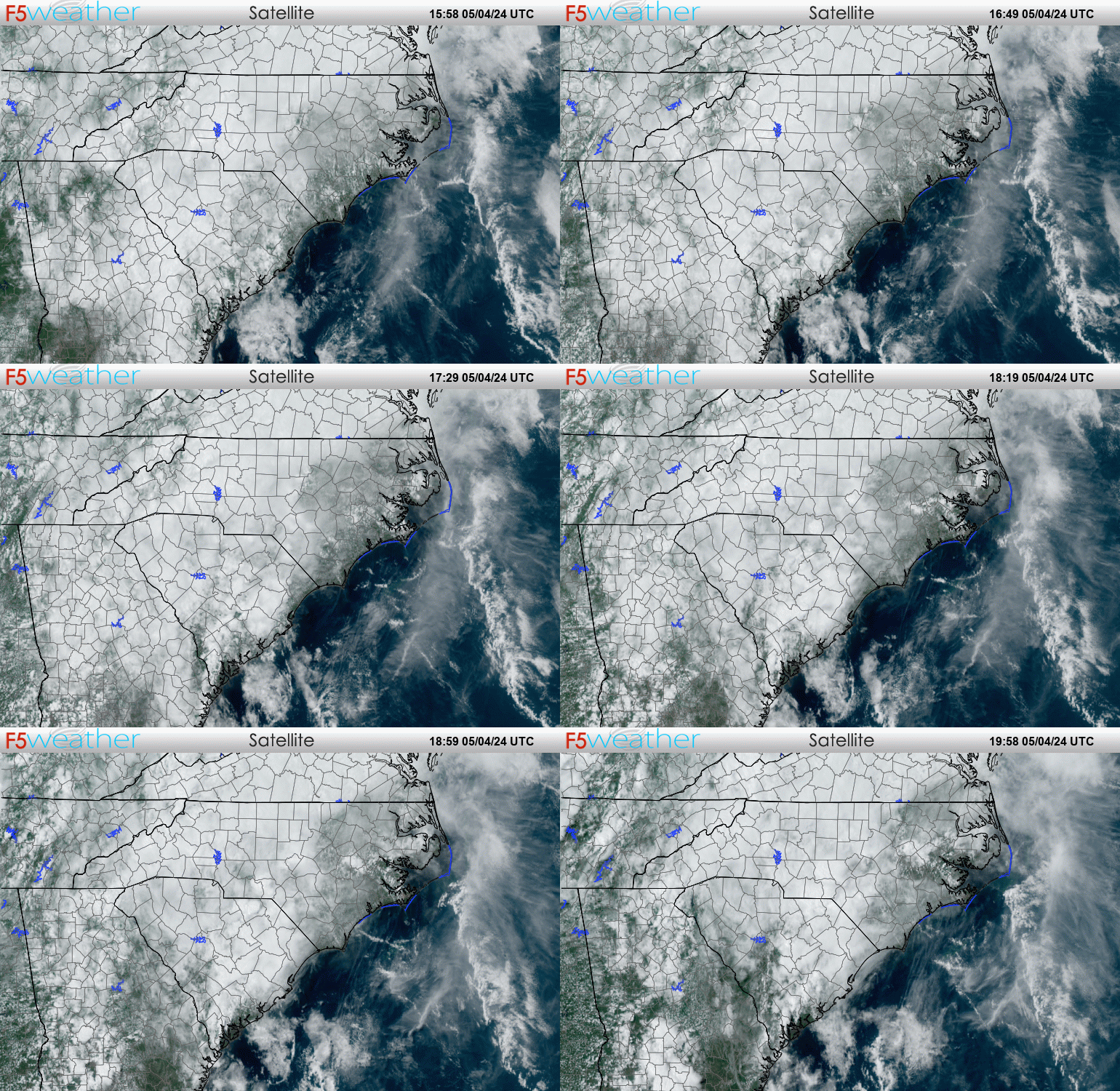
| West Marion, North Carolina Climate Summary General Climate Humid subtropical climate with hot, humid summers and mild winters. Temperature • Average High (July): 88°F (31°C) • Average Low (January): 29°F (-2°C) • Annual Average: 59°F (15°C) Humidity • Average Relative Humidity: 75% Sunshine • Average Hours of Sunshine per Day: 6.5 Wind • Prevalent Wind Direction: West Precipitation • Average Annual Rainfall: 45 inches (114 cm) • Average Annual Snowfall: 10 inches (25 cm) • Wettest Month: July (5.5 inches) • Driest Month: October (2.5 inches) Special Climate Features • Thunderstorms Common during the summer months, especially in the afternoons and evenings. • Tornadoes Rare, but not unheard of. • Droughts Occasional during the late summer and early fall. • Blizzards Infrequent, but can occur during the winter months. Climate Outlook • Future Climate Projections Climate models predict an increase in temperature and precipitation in the region over the next century. • Impacts of Climate Change Increased risk of heat stress, flooding, and drought. • Adaptation Measures Planting heat-tolerant crops, improving drainage systems, and developing drought contingency plans. |
|
| Facts & Historical Information (made with AI, use with caution)
| Natural History • West Marion is home to the South Mountains State Park, a 15,000-acre mountain wilderness with diverse flora and fauna, including rare and endangered species. • The park's highest peak, Buzzard's Roost, offers panoramic views of the surrounding Blue Ridge Mountains. Science • The town is located near the Savannah River Site, a major nuclear research facility that has contributed to advancements in nuclear energy and environmental science. • The Savannah River Ecology Laboratory, located within the site, conducts research on the ecological impacts of nuclear activities. Personalities Dr. William C. Coker:A renowned botanist and ecologist who founded the University of North Carolina at Chapel Hill's Institute of Plant Ecology, located in West Marion. Dr. George W. Carver:An agricultural scientist and inventor who developed over 300 uses for peanuts and soybeans, including the peanut butter sandwich. He taught at Tuskegee Institute, which is located nearby. |
| Tourist Attractions
| 1.Chimney Rock State Park: A scenic natural area featuring a towering granite monolith, hiking trails, and stunning views of Lake Lure and the Blue Ridge Mountains. 2.Lake Lure: A picturesque lake nestled in the Blue Ridge Mountains, offering opportunities for boating, fishing, swimming, and hiking. 3.Marion Historical Museum: A local history museum showcasing the rich heritage of West Marion and the surrounding area, with exhibits on Native American culture, early settlers, and the textile industry. |
| Nearby Cities:| Marion, NC | | Glen Alpine, NC | Black Mountain, NC | | Salem, NC | Spruce Pine, NC | | Lake Lure, NC | Rutherfordton, NC | | Morganton, NC | Spindale, NC | | Swannanoa, NC | Fairview, NC | | Forest City, NC | Burnsville, NC | | Drexel, NC | Charlotte, NC | | Winston-Salem, NC | Knoxville, TN | | High Point, NC | Asheville, NC | | Concord, NC | Gastonia, NC | | Rock Hill, SC | Johnson City, TN | | Greenville, SC | Kingsport, TN | | Huntersville, NC | |
|