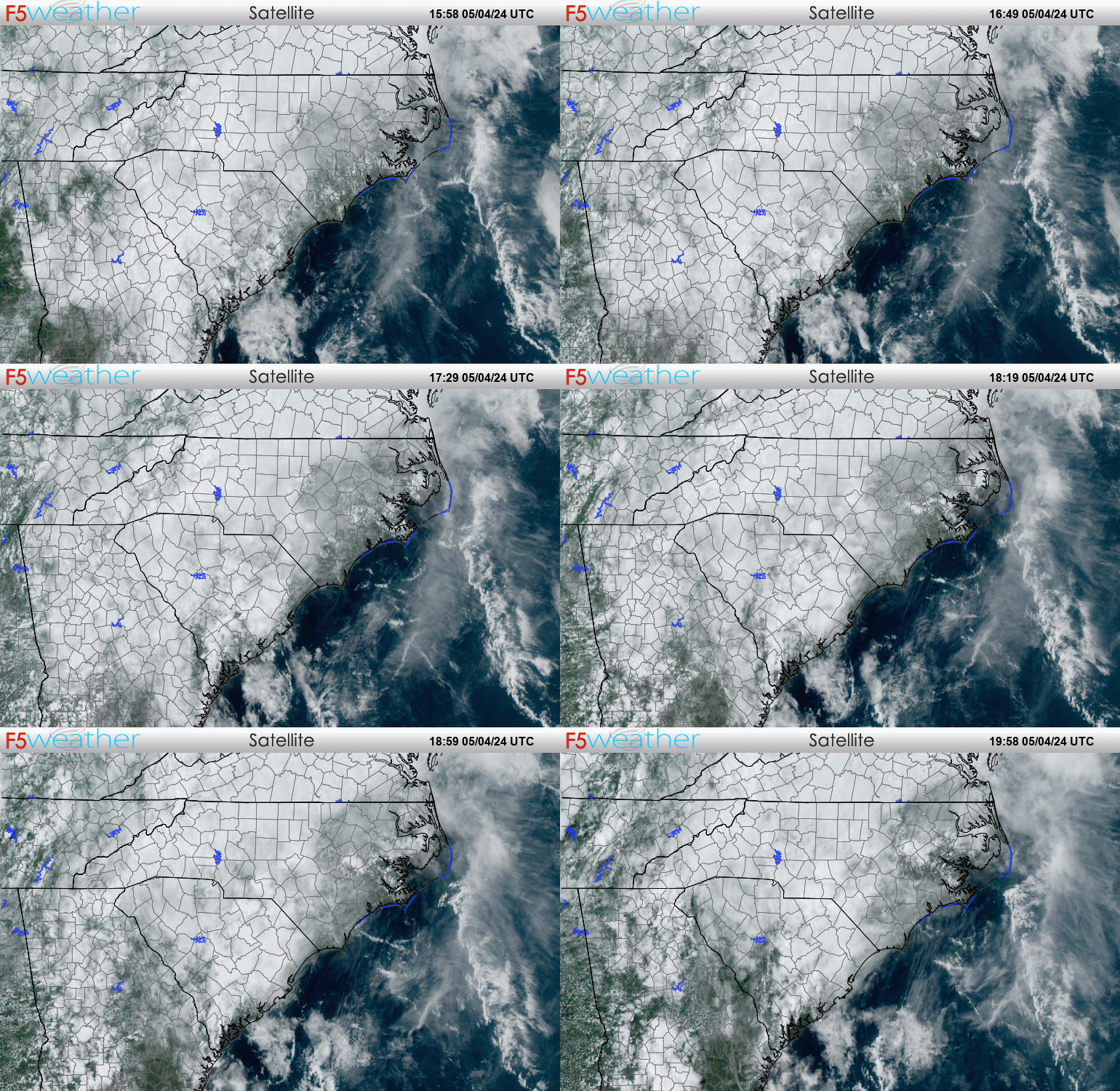
Climate Summary (made with AI, use with caution)
| Pilot Mountain, North Carolina Climate Summary Pilot Mountain, North Carolina, experiences a humid subtropical climate, characterized by hot, humid summers and mild winters. Temperature • Average annual temperature: 56.6°F (13.7°C) • Average summer temperature (June-August): 79.2°F (26.2°C) • Average winter temperature (December-February): 37.1°F (2.8°C) • Record high temperature: 105°F (40.6°C) • Record low temperature: -10°F (-23.3°C) Precipitation • Average annual precipitation: 43.6 inches (1107 mm) • Average monthly precipitation (wettest month): 4.7 inches (119 mm) in July • Average monthly precipitation (driest month): 2.8 inches (71 mm) in October • Average annual snowfall: 5.9 inches (15 cm) Humidity • Average annual relative humidity: 72% • Highest humidity: 80% in July • Lowest humidity: 60% in October Wind • Average wind speed: 6.9 mph (11.1 km/h) • Prevailing wind direction: Southwest Sunshine • Average annual sunshine: 209 sunny days • Sunniest month: July with 27 sunny days • Cloudiest month: December with 14 sunny days Climate Extremes • Hurricanes: Pilot Mountain is located in the path of occasional hurricanes, which can bring heavy rain, strong winds, and flooding. • Tornadoes: Tornadoes are relatively rare but can occur in the area. • Ice storms: Ice storms can occur during the winter months, causing power outages and hazardous driving conditions. Climate Change Impacts Climate change is expected to impact Pilot Mountain's climate, leading to: • Increased temperatures • More frequent and intense heat waves • Heavier rainfall events • Increased risk of droughts • Changes in plant and animal life |
|
| Facts & Historical Information (made with AI, use with caution)
| Natural History • Pilot Mountain is a quartzite monadnock, a solitary peak rising abruptly from the surrounding terrain. • It is the second-oldest exposed rock formation in North America, dating back 1.1 billion years. • The mountain's unique shape is due to erosion by ancient glaciers. Science • Pilot Mountain is a popular site for scientific research, particularly in geology and ecology. • Geologists study its rock formations to understand the region's geological history. • Ecologists study its diverse plant and animal life, including rare and endangered species. Personalities • Daniel Boone used Pilot Mountain as a landmark during his explorations of the Appalachian Mountains. • In 1872, the mountain was purchased by Judge John W. Norwood, who preserved it as a natural area. • In 1968, Pilot Mountain State Park was established, protecting the mountain and its surrounding ecosystem. |
| Tourist Attractions
| 1.Pilot Mountain State Park: Home to the iconic Pilot Mountain, a quartzite monolith that rises 2,401 feet above sea level. Visitors can hike to the summit, explore the park's 3,712 acres of forests, and enjoy scenic views. 2.Hanging Rock State Park: A beautiful park located just a short drive from Pilot Mountain. It features stunning waterfalls, hiking trails, and rock formations. Visitors can also enjoy swimming, fishing, and camping in the park. 3.Mount Airy: A historic town known as the \ |
| Nearby Cities:| King, NC | | White Plains, NC | Tobaccoville, NC | | Flat Rock, NC | Mount Airy, NC | | Toast, NC | Rural Hall, NC | | Dobson, NC | Boonville, NC | | Cana, VA | Walnut Cove, NC | | Lewisville, NC | Yadkinville, NC | | Stuart, VA | Walkertown, NC | | Winston-Salem, NC | Patrick Springs, VA | | Charlotte, NC | | Raleigh, NC | Greensboro, NC | | Durham, NC | Cary, NC | | High Point, NC | Roanoke, VA | | Concord, NC | Lynchburg, VA | | Gastonia, NC | Rock Hill, SC | | Johnson City, TN | |
|