Climate Summary (made with AI, use with caution)
| Minnetonka Mills, MN Climate Summary General Climate • Humid continental climate with warm, humid summers and cold, snowy winters.
Temperature • Average annual temperature: 46.6°F (8.1°C) • Average summer temperature (June-August): 72.6°F (22.6°C) • Average winter temperature (December-February): 20.5°F (-6.4°C) • Record high temperature: 105°F (40.6°C) • Record low temperature: -32°F (-35.6°C)
Precipitation • Average annual precipitation: 34.03 inches (865 mm) • Average snowfall: 53.8 inches (137 cm) • Wettest month: June (4.61 inches / 117 mm) • Driest month: February (1.28 inches / 33 mm)
Sunshine • Average annual sunshine: 2,309 hours • Sunniest month: July (306 hours) • Cloudiest month: December (138 hours)
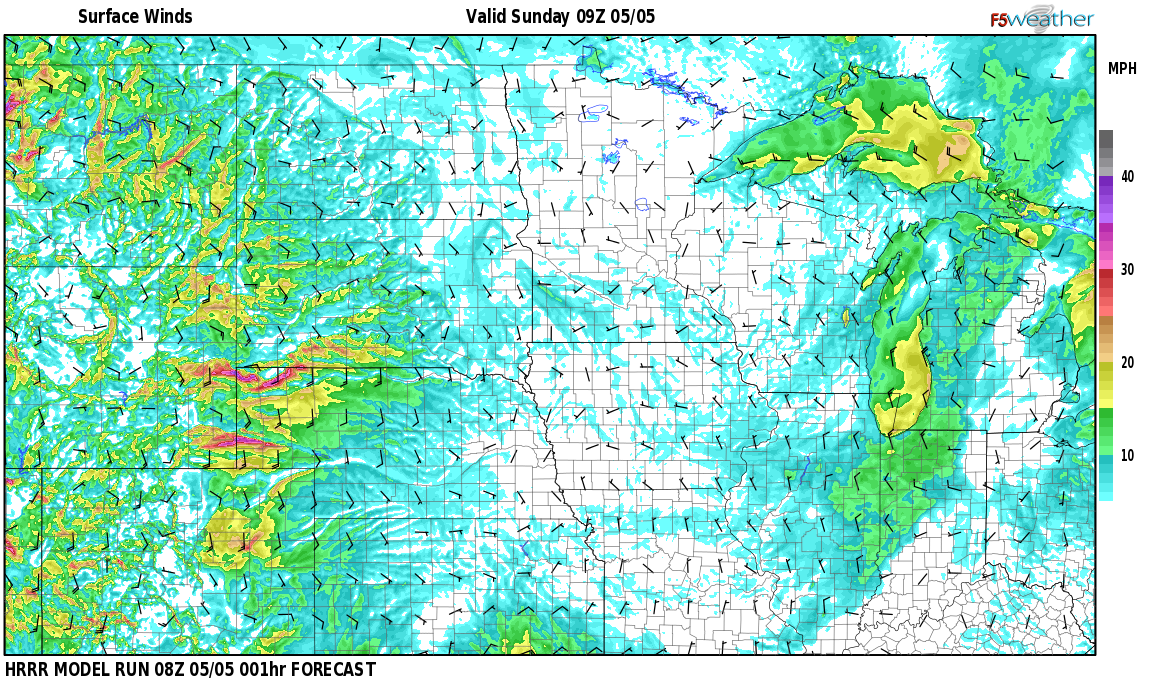
Wind • Average annual wind speed: 10.3 mph (16.6 km/h) • Prevailing wind direction: Northwest
Other Climate Features • Tornadoes Occasional tornadoes occur, but are not common. • Thunderstorms Frequent during the summer months, especially in the afternoon and evening. • Humidity High humidity during the summer months. • Lake Effect Snow Lake Minnetonka can contribute to localized snowfall during the winter months. Climate Trends • Rising average temperatures over the past century. • Increasing frequency and intensity of extreme weather events, such as heavy rainfall and heat waves.
|
|
| Facts & Historical Information (made with AI, use with caution)
| Natural History • Minnetonka Mills is situated on the shores of Lake Minnetonka, a glacial lake formed over 10,000 years ago. • The area is home to a diverse ecosystem, including forests, wetlands, and prairies. • Native American tribes have inhabited the area for centuries, using the lake for fishing, hunting, and transportation. Science • In the 1850s, the area became a center for flour milling, with Minnetonka Mills being one of the largest mills in the Midwest. • The mill was powered by a dam on Minnehaha Creek, which provided a reliable source of water for the mill's operations. • Today, the mill is a historic site and museum, showcasing the industrial heritage of the area. Personalities • The mill was founded by Charles A. Pillsbury, a prominent businessman and philanthropist. • Pillsbury's son, John S. Pillsbury, served as governor of Minnesota from 1876 to 1882. • The mill also played a role in the development of the Boy Scouts of America, with Pillsbury serving as the organization's first national president. |
| Tourist Attractions
| 1.Lake Minnetonka A large, scenic lake with opportunities for boating, fishing, swimming, and more. 2.Carver Park Reserve A 3,000-acre park with hiking trails, a beach, a dog park, and more. 3.Minnetonka Center for the Arts A performing arts center with a variety of shows and events throughout the year. |
| Nearby Cities:| Hopkins, MN | | Minnetonka, MN | Wayzata, MN | | Deephaven, MN | Saint Louis Park, MN | | Plymouth, MN | Edina, MN | | Eden Prairie, MN | Golden Valley, MN | | Excelsior, MN | Chanhassen, MN | | Long Lake, MN | New Hope, MN | | Crystal, MN | Shorewood, MN | | Tonka Bay, MN | Robbinsdale, MN | | Saint Paul, MN | | Rochester, MN | Brooklyn Park, MN | | Woodbury, MN | Eau Claire, WI | | Eagan, MN | Saint Cloud, MN | | West Coon Rapids, MN | Coon Rapids, MN | | Blaine, MN | Burnsville, MN | | Lakeville, MN | |
|