Climate Summary
(made with AI, use with caution)
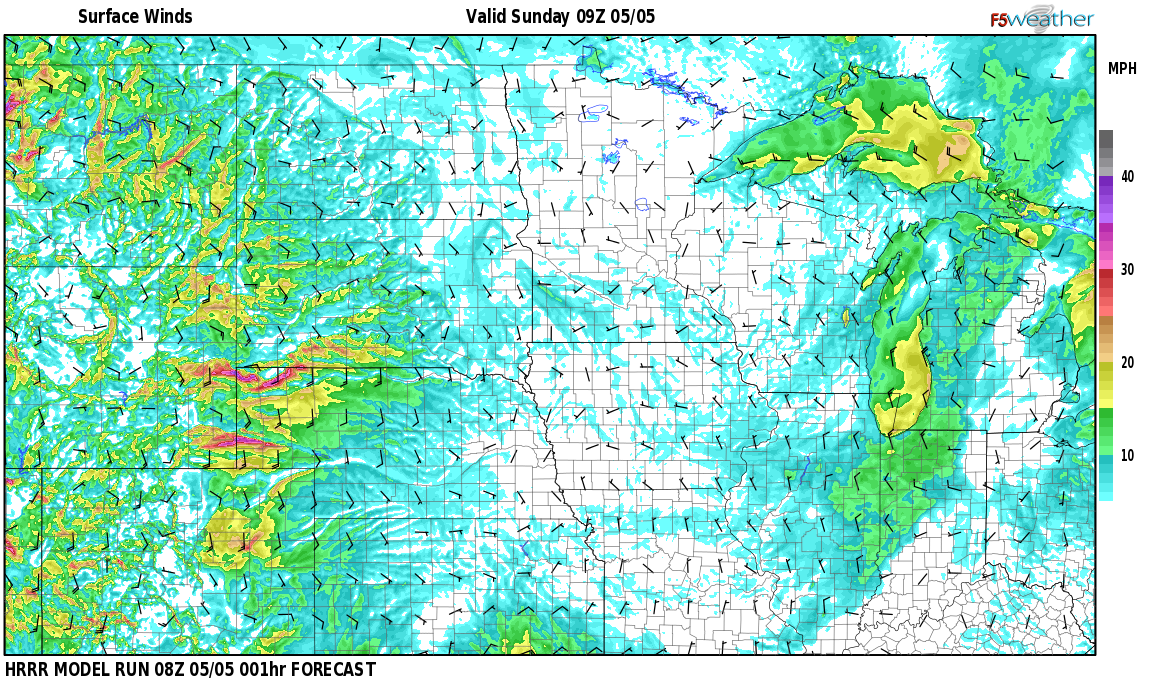
| Fosston, Minnesota Climate Summary Fosston, Minnesota has a humid continental climate, characterized by warm summers and cold winters. Temperature • Average Annual Temperature 41.6°F (5.3°C) • Average Summer Temperature (June-August) 66.9°F (19.4°C) • Average Winter Temperature (December-February) 12.9°F (-10.6°C) • Record High Temperature 106°F (41°C) • Record Low Temperature -45°F (-43°C) Precipitation • Average Annual Precipitation 25.2 inches (640 mm) • Average Snowfall 50.6 inches (128.5 cm) • Wettest Month June (4.4 inches / 112 mm) • Driest Month February (0.6 inches / 15 mm) Other Climate Data • Average Humidity 71% • Average Wind Speed 10.5 mph (16.9 km/h) • Average Sunshine Hours 2,346 hours per year • Growing Season 120 days (May-September) Climate Extremes Fosston has experienced extreme weather events, including: • Blizzards Severe snowstorms with high winds and low visibility • Tornadoes Occasional tornadoes, especially in the spring and summer • Flooding Heavy rainfall can lead to flooding in low-lying areas • Extreme Cold Temperatures can drop below -30°F (-34°C) during the winter months Climate Change Impacts Climate change is expected to impact Fosston's climate in the following ways: • Warmer Temperatures Average temperatures are projected to increase, leading to longer and hotter summers • Increased Precipitation Precipitation is likely to increase, especially during the spring and summer months • More Extreme Weather Events The frequency and intensity of extreme weather events, such as heat waves, droughts, and floods, is expected to increase |
|
| Facts & Historical Information
(made with AI, use with caution)
| Natural History • Fosston is located in the Glacial Lake Agassiz basin, formed by retreating glaciers over 10,000 years ago. • The area is known for its fertile soil, supporting a diverse ecosystem of wetlands, grasslands, and forests. • The nearby Red Lake River is a major migratory route for waterfowl and other birds. Science • Fosston was home to the Fosston Field Station, established in 1928 by the University of Minnesota. • The station conducted research on agriculture, forestry, and wildlife management. • It played a significant role in developing sustainable farming practices in the region. Personalities Knute Nelson:A Norwegian immigrant who served as Governor of Minnesota (1893-1895) and a U.S. Senator (1895-1923). Charles Lindbergh:The famous aviator visited Fosston in 1927 during his transatlantic flight. Dr. William Mayo:Co-founder of the Mayo Clinic, spent his childhood in Fosston. |
|
Tourist Attractions
| 1.Sheyenne National Grassland is a 250,000-acre grassland located in eastern North Dakota and western Minnesota. The grassland is home to a variety of plant and animal life, including bison, elk, and prairie dogs. Visitors can enjoy hiking, biking, camping, and fishing in the grassland. 2.Tamarac National Wildlife Refuge is a 43,000-acre refuge located in northwestern Minnesota. The refuge is home to a variety of wetland habitats, including marshes, swamps, and bogs. Visitors can enjoy hiking, canoeing, and kayaking in the refuge. 3.Glendalough State Park is a 1,800-acre park located in west-central Minnesota. The park is home to a variety of natural features, including lakes, forests, and bluffs. Visitors can enjoy hiking, camping, fishing, and swimming in the park. |
|
Nearby Cities:| Bagley, MN | | Mahnomen, MN | Fargo, ND | | Grand Forks, ND | Moorhead, MN | | West Fargo, ND | Bemidji, MN | | Brainerd, MN | Fergus Falls, MN | | Alexandria, MN | Grand Rapids, MN | | Detroit Lakes, MN | Thief River Falls, MN | | East Grand Forks, MN | |
|