Climate Summary
(made with AI, use with caution)
| Rochester, IL Climate Summary Temperature • Average annual temperature: 51.7°F (11.0°C)
• Average summer temperature (June-August): 73.6°F (23.1°C)
• Average winter temperature (December-February): 29.1°F (-1.6°C)
• Record high temperature: 113°F (45°C)
• Record low temperature: -26°F (-32°C) Precipitation • Average annual precipitation: 38.4 inches (975 mm)
• Average snowfall: 26.7 inches (68 cm)
• Wettest month: May (4.3 inches or 109 mm)
• Driest month: February (1.7 inches or 43 mm) Sunshine • Average annual sunshine: 2,500 hours
• Sunniest month: July (300 hours)
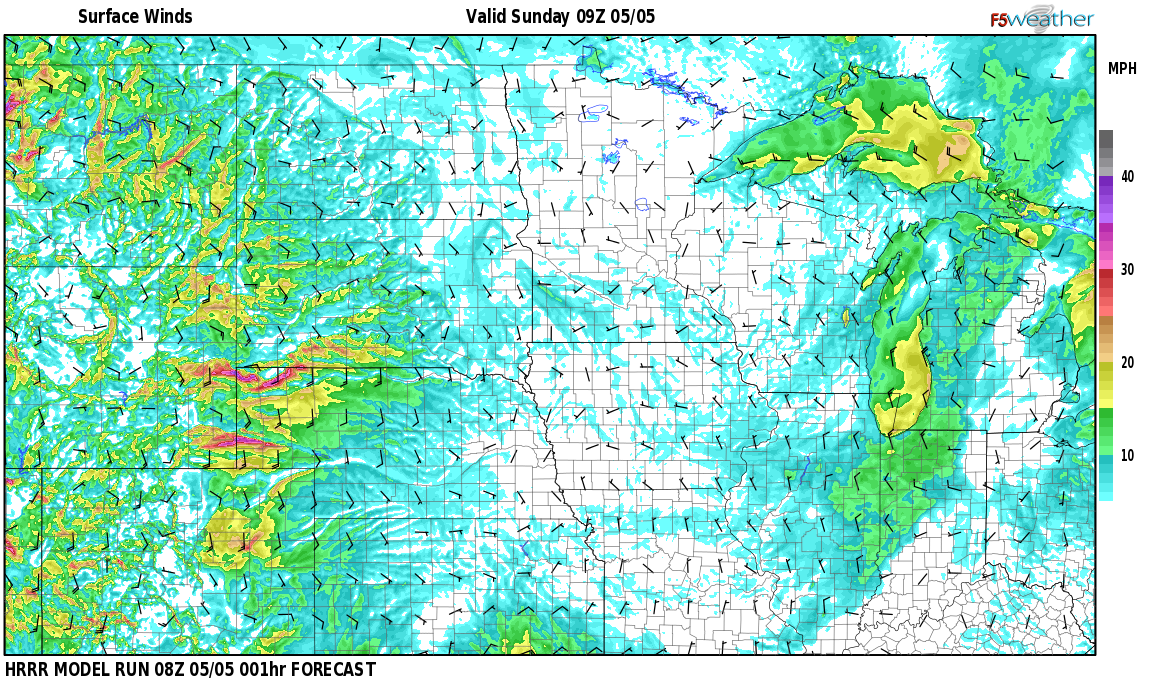
• Cloudiest month: December (160 hours) Wind • Average annual wind speed: 10.2 mph (16.4 km/h)
• Windiest month: March (12.2 mph or 19.6 km/h)
• Calmest month: August (8.3 mph or 13.4 km/h) Climate Classification • Köppen climate classification: Dfa (Hot summer continental climate) Climate Summary Rochester, IL has a humid continental climate with hot, humid summers and cold, snowy winters. The average annual temperature is 51.7°F (11.0°C), with average summer temperatures in the low 70s (°F) and average winter temperatures in the upper 20s (°F). The area receives an average of 38.4 inches (975 mm) of precipitation per year, with most of the precipitation falling in the spring and summer months. Rochester experiences an average of 26.7 inches (68 cm) of snow per year. The area has an average of 2,500 hours of sunshine per year, with the sunniest months being July and August. The average annual wind speed is 10.2 mph (16.4 km/h). Climate Change The climate in Rochester, IL is changing, with average temperatures rising and precipitation patterns becoming more extreme. Since 1900, the average annual temperature in Rochester has increased by about 1.5°F (0.8°C). The area has also seen an increase in the number of days with extreme heat, with the number of days with temperatures above 90°F (32°C) increasing by about 10 days per year since 1950. Precipitation patterns have also become more extreme, with the area experiencing more heavy rainfall events and fewer days with light rainfall. The area has also seen an increase in the number of days with drought, with the number of days with less than 0.5 inches (13 mm) of precipitation increasing by about 10 days per year since 1950. Climate Impacts The changing climate is having a number of impacts on Rochester, IL, including: • Increased heat stress: The rising temperatures are making it more difficult for people to stay cool and comfortable, especially during the summer months. This can lead to heat-related illnesses, such as heat stroke and heat exhaustion.
• More extreme weather events: The more extreme precipitation patterns are leading to more flooding and droughts. These events can damage infrastructure, crops, and homes.
• Changes in plant and animal life: The changing climate is also causing changes in plant and animal life. Some species are moving to new areas in order to find more suitable habitats, while others are declining in population. Adaptation and Mitigation The community of Rochester, IL is working to adapt to the changing climate and mitigate its impacts. Some of the adaptation measures that are being taken include: • Improving infrastructure to make it more resilient to extreme weather events.
• Developing early warning systems for extreme weather events.
• Educating the public about the risks of climate change and how to protect themselves. Some of the mitigation measures that are being taken include: • Reducing greenhouse gas emissions by investing in renewable energy and energy efficiency.
• Planting trees and other vegetation to help absorb carbon dioxide from the atmosphere.
• Promoting sustainable agriculture practices that help to reduce greenhouse gas emissions. The community of Rochester, IL is committed to taking action to address the challenges of climate change. By working together, the community can build a more resilient and sustainable future. |
|
| Facts & Historical Information
(made with AI, use with caution)
| Natural History • Rochester is home to the Sangamon River, a tributary of the Illinois River, which provides a vital habitat for fish, wildlife, and plants. • The area around Rochester is rich in fossils, including marine invertebrates, fish, and plants, dating back to the Paleozoic Era. Science • The Rochester Observatory, established in 1962, is one of the oldest and largest amateur astronomy observatories in Illinois. • The Rochester School District has a strong focus on STEM education, with students participating in science fairs and robotics competitions. Personalities • Dr. Charles Hodge, a prominent Presbyterian theologian and author, was born in Rochester in 1797. • John M. Palmer, a Union general in the Civil War and later governor of Illinois, lived in Rochester for many years. • Dr. Edward Livingston Trudeau, a pioneer in tuberculosis treatment, established a sanitarium in Rochester in the late 19th century. |
|
Tourist Attractions
| 1.Lincoln's New Salem State Historic Site (Petersburg, IL): A living history museum that recreates the village where Abraham Lincoln lived from 1831 to 1834. 2.Dana-Thomas House (Springfield, IL): A masterpiece of Frank Lloyd Wright's Prairie School architecture, built in 1902-1904. 3.Abraham Lincoln Presidential Library and Museum (Springfield, IL): A state-of-the-art museum dedicated to the life and legacy of Abraham Lincoln. |
|
Nearby Cities:| Southern View, IL | | Grandview, IL | Riverton, IL | | Springfield, IL | Jerome, IL | | Leland Grove, IL | Edinburg, IL | | Chatham, IL | Pawnee, IL | | Sherman, IL | Kincaid, IL | | Divernon, IL | Williamsville, IL | | Auburn, IL | Taylorville, IL | | Athens, IL | New Berlin, IL | | Peoria, IL | | North Peoria, IL | Champaign, IL | | Bloomington, IL | Decatur, IL | | Saint Charles, MO | Terre Haute, IN | | Normal, IL | Saint Peters, MO | | Florissant, MO | Chesterfield, MO | | Urbana, IL | |
|