Climate Summary
(made with AI, use with caution)
| Ottawa, IL Climate Summary General Climate Ottawa, Illinois has a humid continental climate, with hot, humid summers and cold, snowy winters. The city experiences all four seasons, with average temperatures ranging from 20°F in January to 78°F in July. Temperature • Average annual temperature: 49.4°F
• Average summer temperature (June-August): 73.6°F
• Average winter temperature (December-February): 26.8°F
• Record high temperature: 115°F (July 14, 1936)
• Record low temperature: -38°F (January 20, 1985) Precipitation • Average annual precipitation: 35.7 inches
• Average snowfall: 30.6 inches
• Number of days with measurable precipitation: 105
• Wettest month: June (4.3 inches)
• Driest month: February (1.7 inches) Humidity • Average annual relative humidity: 74%
• Highest monthly relative humidity: January (81%)
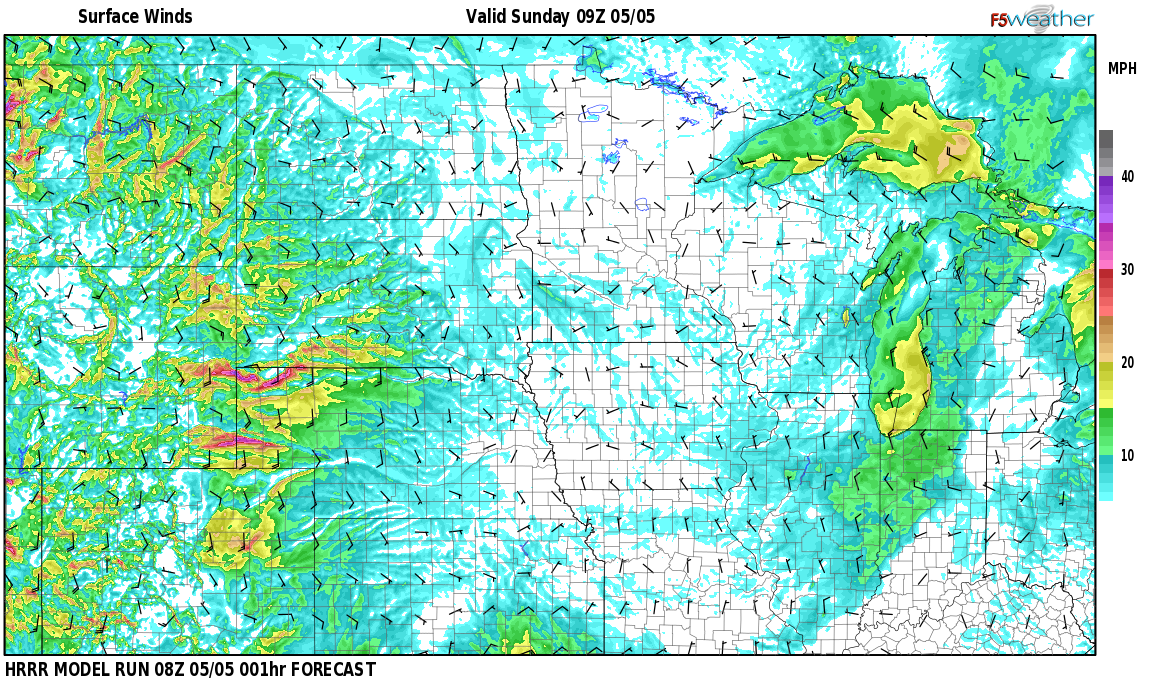
• Lowest monthly relative humidity: June (64%) Wind • Average annual wind speed: 10.2 mph
• Prevailing wind direction: West-southwest Severe Weather • Ottawa is located in an area that is prone to severe weather, including tornadoes, hail, and thunderstorms.
• The city has been hit by several tornadoes in recent years, including an EF4 tornado in 2013 that caused widespread damage.
• Ottawa is also at risk for flooding, especially during the spring and summer months. Climate Change • The climate of Ottawa is changing, as it is in many parts of the world.
• The city is experiencing warmer temperatures, more extreme weather events, and changes in precipitation patterns.
• These changes are likely to continue in the future, and they could have a significant impact on the city and its residents. |
|
| Facts & Historical Information
(made with AI, use with caution)
| Natural History • Ottawa is located at the confluence of the Illinois and Fox Rivers, creating a diverse ecosystem. • Starved Rock State Park, just south of Ottawa, is home to unique sandstone canyons and waterfalls. • The Illinois River Valley is a major migratory route for birds, with over 300 species observed. Science • Ottawa was the site of the first nuclear reactor in the Western Hemisphere, built by Argonne National Laboratory in 1942. • The city is home to the Illinois Valley Community College, which offers a variety of science and technology programs. • The Ottawa Science Center features interactive exhibits on science, technology, and the environment. Personalities • Edgar Lee Masters, author of the Pulitzer Prize-winning \ |
|
Tourist Attractions
| 1.Starved Rock State Park: Located just 15 miles from Ottawa, this park features stunning sandstone canyons, waterfalls, and hiking trails. 2.Buffalo Rock State Park: Another nearby park, Buffalo Rock offers scenic views of the Illinois River, as well as hiking, fishing, and camping opportunities. 3.Ottawa Riverwalk: This scenic 2-mile paved trail follows the banks of the Ottawa River, providing a relaxing and picturesque setting for walking, biking, or rollerblading. |
|
Nearby Cities:| Marseilles, IL | | Deer Park, IL | Oglesby, IL | | Seneca, IL | La Salle, IL | | Peru, IL | Streator, IL | | Sheridan, IL | Earlville, IL | | Spring Valley, IL | Newark, IL | | Ladd, IL | Mendota, IL | | Granville, IL | Morris, IL | | Somonauk, IL | Sandwich, IL | | Chicago, IL | | Aurora, IL | Rockford, IL | | Joliet, IL | Naperville, IL | | Springfield, IL | Peoria, IL | | North Peoria, IL | Elgin, IL | | Davenport, IA | Kenosha, WI | | Waukegan, IL | |
|