Climate Summary
(made with AI, use with caution)
| Mackinaw, Illinois Climate Summary Temperature • Average annual temperature: 51.6°F (10.9°C)
• Average summer temperature (June-August): 73.6°F (23.1°C)
• Average winter temperature (December-February): 28.6°F (-1.9°C)
• Record high temperature: 113°F (45°C)
• Record low temperature: -32°F (-35.6°C) Precipitation • Average annual precipitation: 36.06 inches (91.6 cm)
• Average snowfall: 23.6 inches (60 cm)
• Wettest month: May (4.33 inches or 11 cm)
• Driest month: February (1.65 inches or 4.2 cm) Other Climate Data • Average annual sunshine: 2,500 hours
• Average relative humidity: 75%
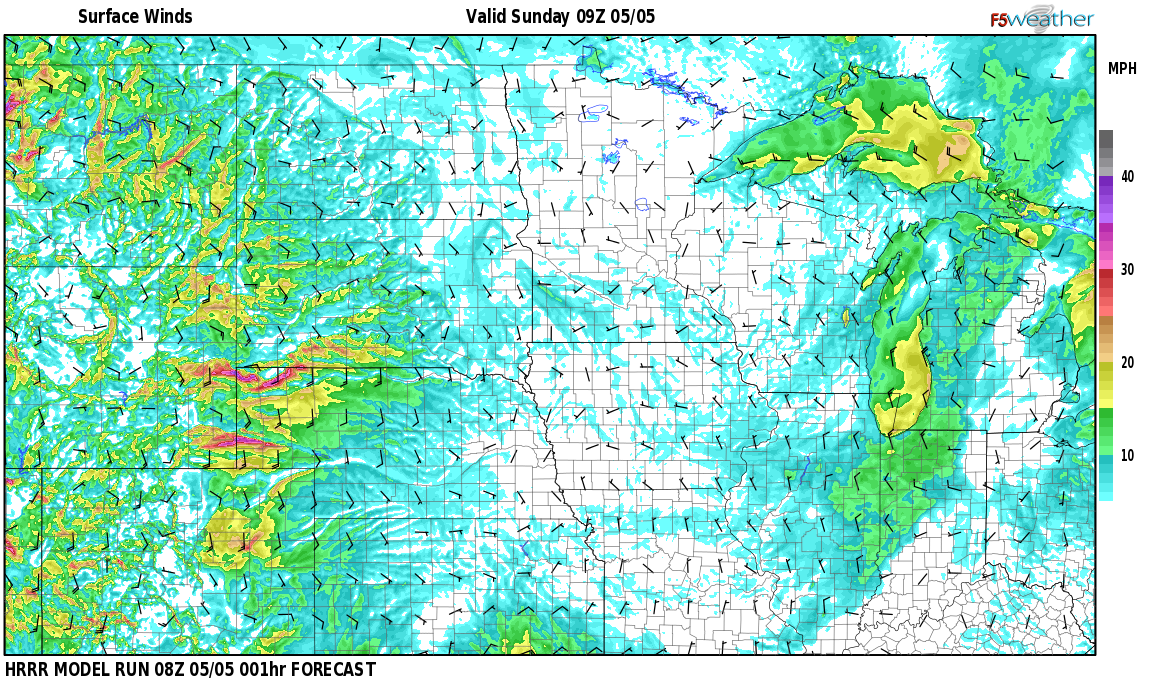
• Average wind speed: 10 mph (16 km/h) Climate Summary Mackinaw, Illinois has a humid continental climate, with hot, humid summers and cold, snowy winters. The average annual temperature is 51.6°F (10.9°C), with average summer temperatures in the low 70s Fahrenheit (20s Celsius) and average winter temperatures in the upper 20s Fahrenheit (-2 to -3 Celsius). The area receives an average of 36.06 inches (91.6 cm) of precipitation each year, including 23.6 inches (60 cm) of snowfall. The climate in Mackinaw is influenced by its location in the Midwest, which is known for its extreme weather conditions. The area is prone to severe thunderstorms, tornadoes, and blizzards. In addition, the area is also affected by the jet stream, which can bring sudden changes in temperature and precipitation. Overall, Mackinaw has a climate that is typical of the Midwest, with hot, humid summers and cold, snowy winters. The area is also prone to severe weather conditions, such as thunderstorms, tornadoes, and blizzards. |
|
| Facts & Historical Information
(made with AI, use with caution)
| Natural History • Mackinaw lies within the Grand Prairie Natural Division, known for its tallgrass prairies and oak-hickory forests. • The Mackinaw River, a tributary of the Illinois River, meanders through the area, supporting diverse aquatic life. • The Mackinaw River State Fish and Wildlife Area preserves over 1,000 acres of floodplain forest and wetlands, providing habitat for numerous bird and wildlife species. Science • Mackinaw was the site of a major coal mining operation in the early 20th century. • The Mackinaw Mine was one of the largest producers of coal in Illinois and employed thousands of workers. • The mine closed in the 1950s, leaving behind a legacy of environmental challenges, including acid mine drainage. Personalities James \ |
|
Tourist Attractions
| 1.Starved Rock State Park (15 miles from Mackinaw): A stunning natural area with towering sandstone bluffs, waterfalls, and hiking trails. 2.Buffalo Rock State Park (5 miles from Mackinaw): Home to the iconic Buffalo Rock, a massive sandstone outcropping that offers panoramic views of the Illinois River Valley. 3.Grand Detour Lock and Dam (10 miles from Mackinaw): A historic lock and dam system that controls the flow of the Rock River and provides opportunities for fishing, boating, and hiking. |
|
Nearby Cities:| Minier, IL | | Tremont, IL | Morton, IL | | Danvers, IL | Richmond, IL | | Washington, IL | Eureka, IL | | Twin Grove, IL | Marquette Heights, IL | | Creve Coeur, IL | Delavan, IL | | East Peoria, IL | North Pekin, IL | | Pekin, IL | South Pekin, IL | | Peoria, IL | Germantown Hills, IL | | Aurora, IL | | Rockford, IL | Joliet, IL | | Naperville, IL | Springfield, IL | | Elgin, IL | Davenport, IA | | Champaign, IL | Hammond, IN | | Bolingbrook, IL | Decatur, IL | | Orland Park, IL | |
|