Climate Summary
(made with AI, use with caution)
| Kirkland, Illinois Climate Summary General Climate • Kirkland, Illinois experiences a humid continental climate, characterized by hot, humid summers and cold, snowy winters.
• The city receives an average of 37.5 inches of precipitation per year, which is fairly evenly distributed throughout the year.
• Kirkland is located in USDA Hardiness Zone 5b, which means that the average annual minimum temperature is between -15°F and -10°F. Temperature • The average high temperature in July is 85°F, while the average low temperature in January is 18°F.
• The highest temperature ever recorded in Kirkland was 112°F on July 14, 1936.
• The lowest temperature ever recorded in Kirkland was -33°F on January 20, 1985. Precipitation • Kirkland receives an average of 37.5 inches of precipitation per year, which is fairly evenly distributed throughout the year.
• The wettest month is May, with an average of 4.5 inches of precipitation.
• The driest month is February, with an average of 1.8 inches of precipitation. Snowfall • Kirkland receives an average of 28.5 inches of snow per year.
• The snowiest month is January, with an average of 9.1 inches of snow.
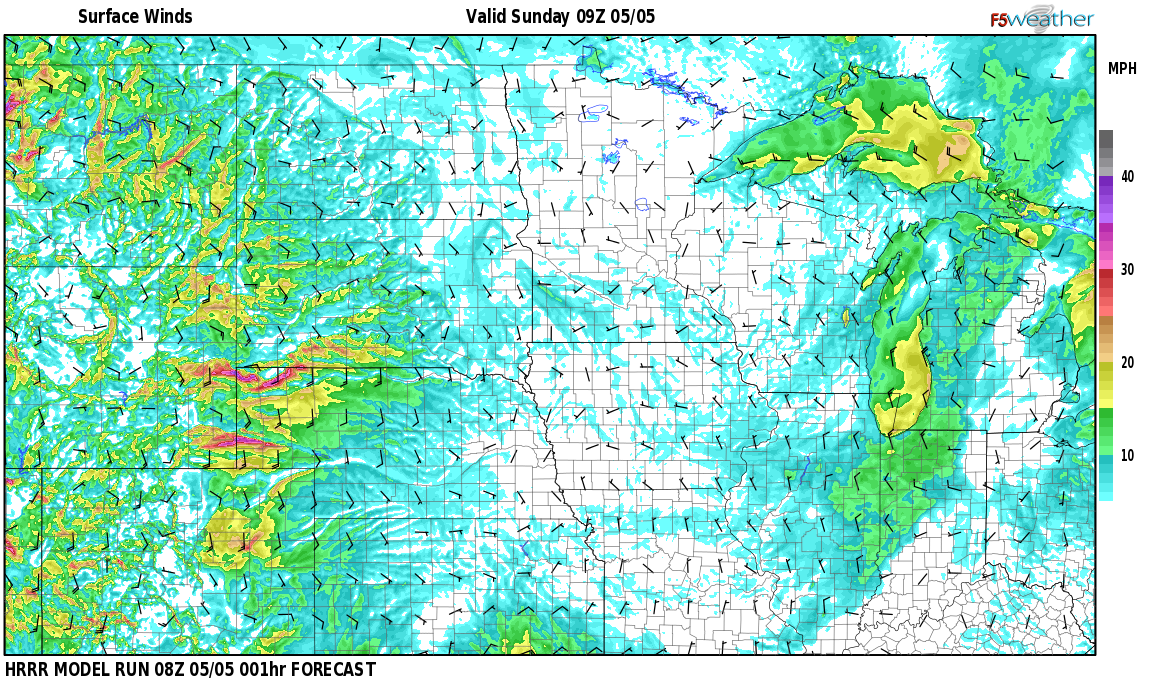
• The least snowy month is July, with an average of 0.0 inches of snow. Wind • The prevailing wind direction in Kirkland is from the west.
• The average wind speed is 10 mph. Severe Weather • Kirkland is located in an area that is prone to severe weather, including tornadoes, hail, and thunderstorms.
• The city is also at risk for flooding and blizzards. Climate Change • The climate in Kirkland is changing, and the city is experiencing more extreme weather events, such as heat waves, droughts, and floods.
• The average temperature in Kirkland has increased by 1.5°F since 1895.
• The amount of precipitation that Kirkland receives has also increased by 5% since 1895. Overall, Kirkland, Illinois has a humid continental climate with hot, humid summers and cold, snowy winters. The city is also prone to severe weather events, such as tornadoes, hail, and thunderstorms. |
|
| Facts & Historical Information
(made with AI, use with caution)
| Kirkland, IL: Natural History, Science, and PersonalitiesKirkland Cave: A renowned archaeological site that yielded evidence of human habitation dating back 12,000 years. Kirkland Prairie:A remnant of the vast prairies that once covered the Midwest, now a protected natural area with diverse flora and fauna. Kirkland Lake:A glacial lake formed during the last ice age, providing habitat for a variety of aquatic species. Dr. John Kirkland:A prominent physician and naturalist who lived in Kirkland in the 19th century. He discovered and described several new species of plants and animals. Dr. William J. Beal:A botanist and professor at Michigan State University who spent his childhood in Kirkland. He made significant contributions to the study of plant anatomy and classification. |
|
Tourist Attractions
| 1.Kirkland Opera House: This historic opera house, built in 1891, hosts a variety of performances throughout the year, including plays, concerts, and movies. 2.Kirkland Park: This 12-acre park offers a variety of recreational opportunities, including a playground, picnic areas, a walking trail, and a fishing pond. 3.DeKalb County Farm Bureau: This organization offers a variety of educational programs and activities related to agriculture, including farm tours, workshops, and a farmers' market. |
|
Nearby Cities:| Kingston, IL | | Genoa, IL | Sycamore, IL | | Malta, IL | Cherry Valley, IL | | Belvidere, IL | DeKalb, IL | | Davis Junction, IL | Cortland, IL | | Hillcrest, IL | Rochelle, IL | | Hampshire, IL | Marengo, IL | | Stillman Valley, IL | Rockford, IL | | Maple Park, IL | Loves Park, IL | | Chicago, IL | | Milwaukee, WI | Madison, WI | | Aurora, IL | Joliet, IL | | Naperville, IL | Peoria, IL | | North Peoria, IL | Elgin, IL | | Davenport, IA | Kenosha, WI | | Waukegan, IL | |
|