Climate Summary
(made with AI, use with caution)
| Kildeer, Illinois Climate Summary General Climate • Kildeer, Illinois has a humid continental climate, characterized by hot, humid summers and cold, snowy winters.
• The city experiences all four seasons, with distinct changes in weather patterns throughout the year. Temperature • Average annual temperature: 50.2°F (10.1°C)
• Average summer temperature (June • August): 74.6°F (23.7°C)
• Average winter temperature (December • February): 26.4°F (-3.1°C)
• Record high temperature: 111°F (44°C)
• Record low temperature: -32°F (-36°C) Precipitation • Average annual precipitation: 37.3 inches (94.7 cm)
• Average snowfall: 35.6 inches (90.4 cm)
• Most precipitation occurs in May and June, with an average of 4.2 inches (10.7 cm) each month.
• Least precipitation occurs in February, with an average of 1.8 inches (4.6 cm). Humidity • Average annual relative humidity: 72%
• Humidity levels are highest in the summer months, with an average of 80%.
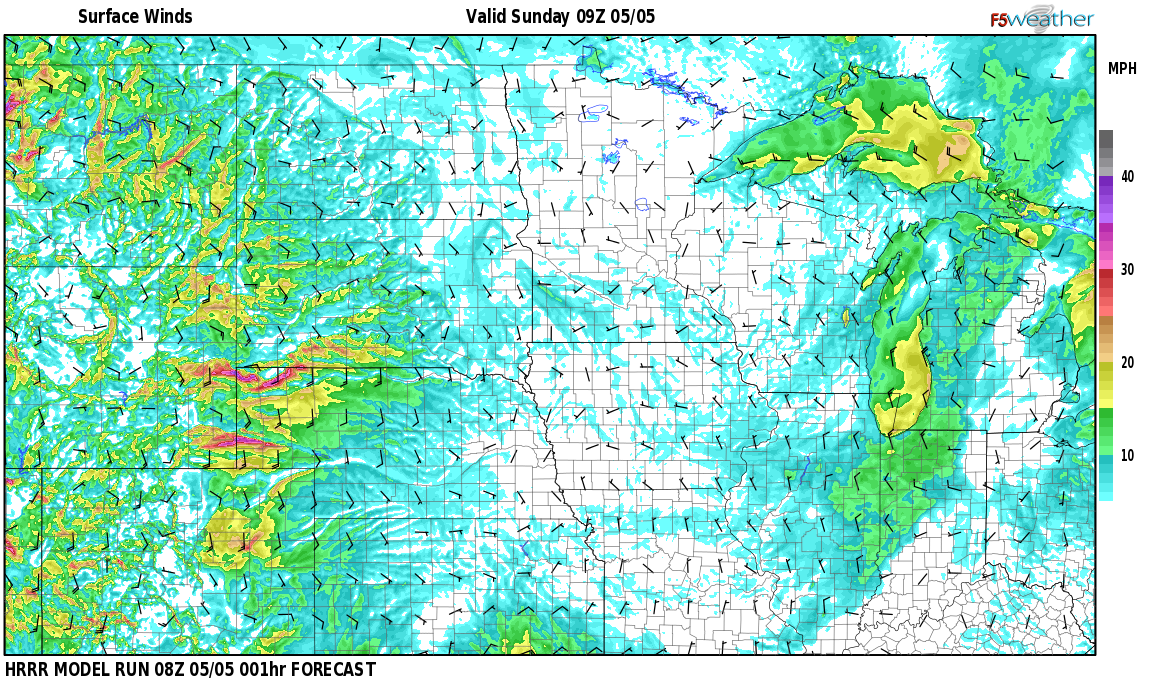
• Humidity levels are lowest in the winter months, with an average of 65%. Wind • Average annual wind speed: 10.4 mph (16.7 km/h)
• Prevailing wind direction: West-southwest
• Strongest winds occur in the winter months, with an average speed of 12.2 mph (19.6 km/h).
• Lightest winds occur in the summer months, with an average speed of 8.9 mph (14.3 km/h). Severe Weather • Kildeer is located in an area that is prone to severe weather, including thunderstorms, tornadoes, and hail.
• The city is also at risk for flooding, especially during the spring and summer months. Climate Change • Kildeer, like many other regions around the world, is experiencing the effects of climate change.
• Average temperatures have been rising in recent decades, and the city is seeing more extreme weather events, such as heat waves, droughts, and heavy rainfall. |
|
| Facts & Historical Information
(made with AI, use with caution)
| Natural History • Kildeer is home to the Kildeer Marsh, a 2,000-acre wetland complex that supports a diverse array of plant and animal life. • The marsh is a breeding ground for migratory birds, including the namesake killdeer, a small plover known for its distinctive call. Science • Kildeer is the birthplace of the Chicago Pile-1, the world's first nuclear reactor. The reactor was built in 1942 as part of the Manhattan Project. • The village is also home to the Fermi National Accelerator Laboratory (Fermilab), one of the world's leading particle physics research facilities. Personalities • The renowned architect Frank Lloyd Wright designed several homes in Kildeer, including the Dana-Thomas House and the Coonley House. • The village was also home to the writer and humorist Robert Benchley, who lived there from 1937 until his death in 1945. |
|
Tourist Attractions
| 1.Chicago Botanic Garden (Glencoe, IL): A sprawling botanical garden with over 385 acres of diverse gardens, including a Japanese garden, a rose garden, and a children's garden. 2.Six Flags Great America (Gurnee, IL): A large amusement park with over 100 rides, shows, and attractions, including roller coasters, water rides, and live entertainment. 3.Naval Base Great Lakes (North Chicago, IL): A historic naval base that offers tours of the USS Milwaukee, a retired cruiser, and the USS Chief, a submarine. |
|
Nearby Cities:| Deer Park, IL | | Long Grove, IL | Forest Lake, IL | | Hawthorn Woods, IL | Lake Zurich, IL | | Fairfield, IL | Palatine, IL | | Buffalo Grove, IL | Inverness, IL | | Vernon Hills, IL | Barrington, IL | | North Barrington, IL | Wheeling, IL | | Rolling Meadows, IL | Barrington Hills, IL | | Arlington Heights, IL | Lake Barrington, IL | | Chicago, IL | | Milwaukee, WI | Madison, WI | | Aurora, IL | Rockford, IL | | Joliet, IL | Naperville, IL | | Elgin, IL | South Bend, IN | | Kenosha, WI | Waukegan, IL | | West Town, IL | |
|