Climate Summary
(made with AI, use with caution)
| Hickory Hills, Illinois Climate Summary General Climate Hickory Hills, Illinois has a humid continental climate, characterized by hot, humid summers and cold, snowy winters. The city experiences four distinct seasons, with spring and fall being mild and transitional. Temperature • Average annual temperature: 50.4°F (10.2°C)
• Average summer temperature (June-August): 74.3°F (23.5°C)
• Average winter temperature (December-February): 26.9°F (-2.8°C)
• Record high temperature: 113°F (45°C)
• Record low temperature: -27°F (-32.8°C) Precipitation • Average annual precipitation: 36.1 inches (91.7 cm)
• Average snowfall: 34.3 inches (87.1 cm)
• Wettest month: May (4.4 inches or 11.2 cm)
• Driest month: February (1.7 inches or 4.3 cm) Humidity • Average annual relative humidity: 72%
• Highest humidity: July (78%)
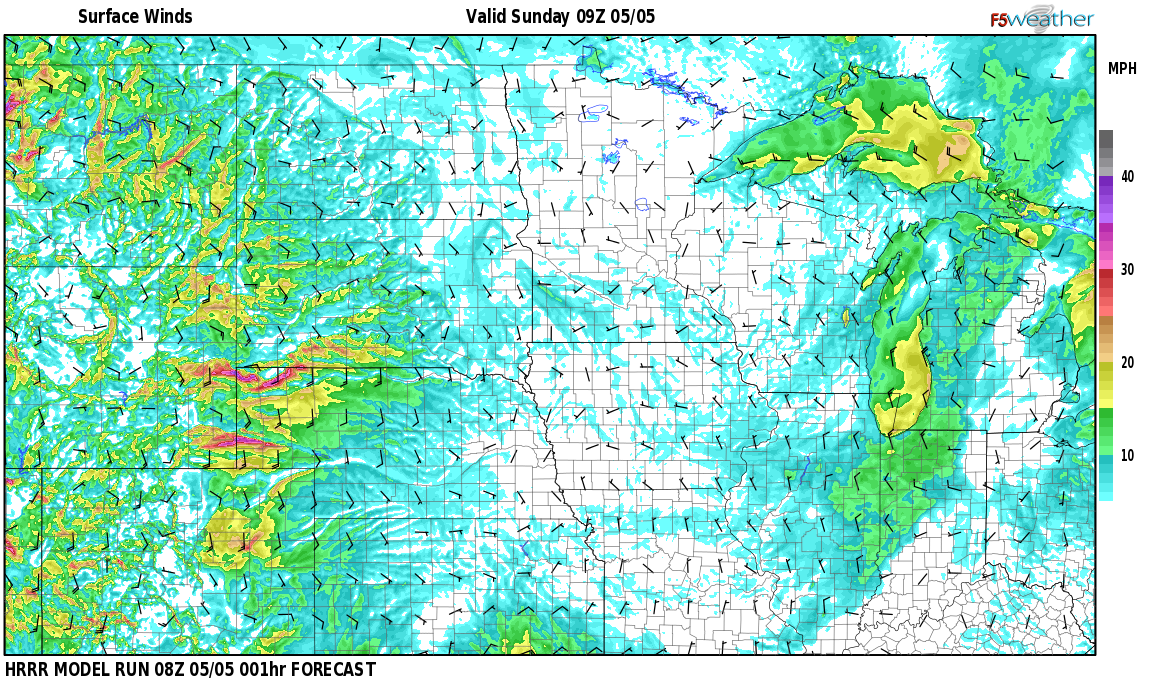
• Lowest humidity: January (65%) Wind • Average wind speed: 10.2 mph (16.4 km/h)
• Prevailing wind direction: Southwest Severe Weather • Hickory Hills is located in an area that is prone to severe weather, including thunderstorms, tornadoes, and hail.
• The city is also at risk for flooding, especially during the spring and summer months. Climate Change • The climate of Hickory Hills is changing, with average temperatures rising and precipitation patterns becoming more extreme.
• These changes are expected to continue in the future, with the city becoming warmer and wetter. Overall Hickory Hills has a humid continental climate with hot, humid summers and cold, snowy winters. The city experiences four distinct seasons, with spring and fall being mild and transitional. Hickory Hills is also located in an area that is prone to severe weather and is at risk for flooding. The climate of Hickory Hills is changing, with average temperatures rising and precipitation patterns becoming more extreme. |
|
| Facts & Historical Information
(made with AI, use with caution)
| Natural History • Hickory Hills is named after the abundant hickory trees that once covered the area. • The village is home to the Hickory Hills Prairie Preserve, a 20-acre remnant of the original tallgrass prairie ecosystem. • The preserve is home to a variety of native plants and animals, including wildflowers, birds, and insects. Science • Hickory Hills is the site of the Argonne National Laboratory, one of the world's leading research centers in nuclear science and technology. • The laboratory was established in 1946 as part of the Manhattan Project. • Argonne scientists have made significant contributions to fields such as nuclear physics, materials science, and environmental research. Personalities • Ray Bradbury, the renowned science fiction author, lived in Hickory Hills for several years. • Bradbury wrote some of his most famous works, including \ |
|
Tourist Attractions
| 1.Brookfield Zoo (Brookfield, IL): A renowned zoo with over 450 animal species from around the world, including lions, tigers, bears, and gorillas. 2.The Morton Arboretum (Lisle, IL): A 1,700-acre arboretum with over 4,000 species of trees and plants from around the world. 3.Toyota Park (Bridgeview, IL): A soccer-specific stadium that hosts the Chicago Fire FC of Major League Soccer and other sporting events. |
|
Nearby Cities:| Colona, IL | | Geneseo, IL | Green Rock, IL | | Carbon Cliff, IL | Silvis, IL | | Le Claire, IA | Hampton, IL | | Port Byron, IL | East Moline, IL | | Orion, IL | Coal Valley, IL | | Cambridge, IL | Moline, IL | | Bettendorf, IA | Erie, IL | | Milan, IL | Rock Island, IL | | Madison, WI | | Aurora, IL | Rockford, IL | | Joliet, IL | Naperville, IL | | Cedar Rapids, IA | Springfield, IL | | Peoria, IL | North Peoria, IL | | Elgin, IL | Bloomington, IL | | Schaumburg, IL | |
|