Climate Summary
(made with AI, use with caution)
| Climate Summary for Grant Park, IL General Climate
Grant Park, Illinois experiences a humid continental climate, characterized by hot, humid summers and cold, snowy winters. The city's proximity to Lake Michigan influences its climate, providing a moderating effect on temperatures.
Temperature
• Average Annual Temperature: 50.4°F (10.2°C)
• Average Summer Temperature (June-August): 73.7°F (23.2°C)
• Average Winter Temperature (December-February): 27.8°F (-2.3°C)
• Highest Recorded Temperature: 109°F (43°C)
• Lowest Recorded Temperature: -30°F (-34°C)
Precipitation
• Average Annual Precipitation: 36.06 inches (916 mm)
• Average Snowfall: 36.6 inches (93 cm)
• Wettest Month: July (4.13 inches or 105 mm)
• Driest Month: February (1.65 inches or 42 mm)
Humidity
• Average Annual Relative Humidity: 74%
• Highest Humidity: Summer months (June-August)
• Lowest Humidity: Winter months (December-February)
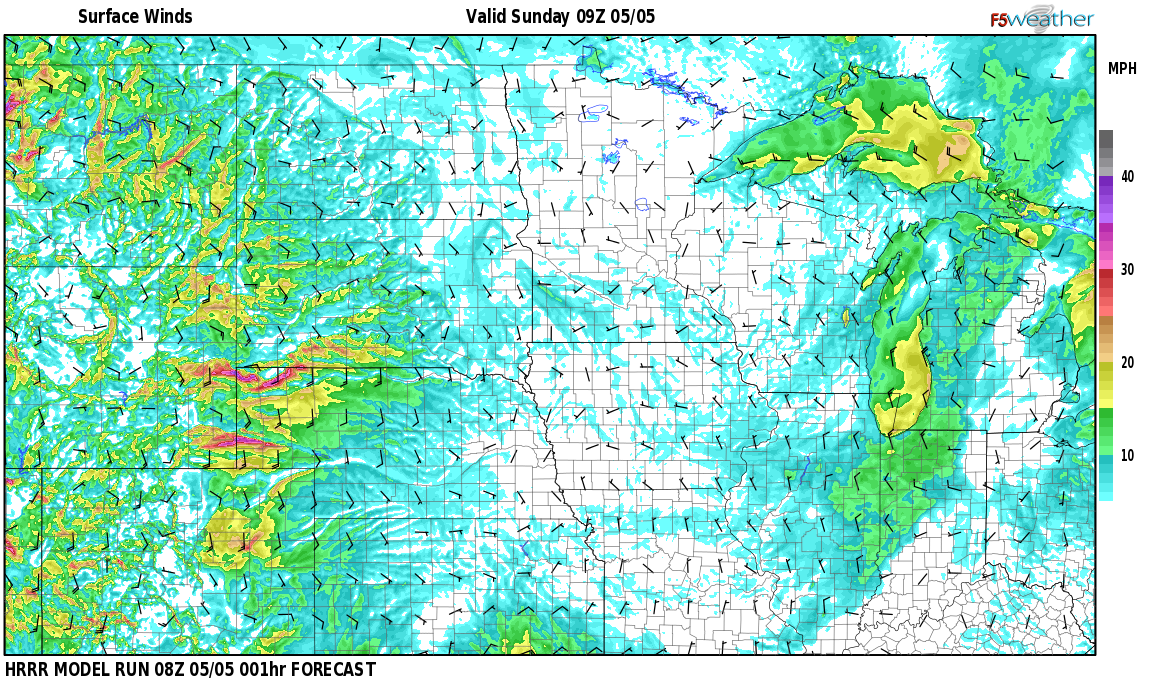
Wind
• Prevailing Wind Direction: West-northwest
• Average Wind Speed: 10.3 mph (16.6 km/h)
Extreme Weather Events
• Tornadoes: Grant Park is located in an area with a moderate risk of tornadoes, with the most active period being April through June.
• Severe Thunderstorms: The city experiences severe thunderstorms, often accompanied by heavy rain, hail, and strong winds.
• Winter Storms: Grant Park receives significant snowfall during the winter months, with occasional blizzards and ice storms.
Climate Change Impact
• Rising Temperatures: Like many regions, Grant Park is experiencing a gradual increase in average temperatures, leading to warmer summers and milder winters.
• Changing Precipitation Patterns: Climate change is expected to bring more intense and frequent rainfall events, as well as longer periods of drought.
• Extreme Weather Events: The frequency and severity of extreme weather events, such as heat waves, floods, and storms, are projected to increase.
Overall, Grant Park's climate is characterized by warm summers, cold winters, and moderate precipitation. The city's proximity to Lake Michigan influences its climate, providing a moderating effect on temperatures. However, the region is also susceptible to extreme weather events, which are expected to become more frequent and severe due to climate change. |
|
| Facts & Historical Information
(made with AI, use with caution)
| Natural History • Grant Park is home to 319 acres of green space, including the iconic Buckingham Fountain. • The park's iconic trees include the American elm, sugar maple, and honey locust. • Over 100 bird species, including migratory warblers, can be observed in the park. Science • The Adler Planetarium, located within Grant Park, is one of the oldest and largest planetariums in the world. • The Field Museum of Natural History, also located in the park, houses over 24 million specimens and artifacts. Personalities • President Ulysses S. Grant, for whom the park is named, dedicated the land in 1869. • Architect Daniel Burnham designed the park's Beaux-Arts layout in 1909. • Sculptor Lorado Taft created the iconic \ |
|
Tourist Attractions
| 1. Buckingham Fountain 2. The Art Institute of Chicago 3. Millennium Park |
|
Nearby Cities:| Rockford, IL | | Loves Park, IL | Cherry Valley, IL | | Davis Junction, IL | Winnebago, IL | | Stillman Valley, IL | Machesney Park, IL | | Byron, IL | Belvidere, IL | | Roscoe, IL | Kirkland, IL | | Pecatonica, IL | Rockton, IL | | Poplar Grove, IL | Hillcrest, IL | | Oregon, IL | Kingston, IL | | Chicago, IL | | Milwaukee, WI | Madison, WI | | Aurora, IL | Joliet, IL | | Naperville, IL | Peoria, IL | | North Peoria, IL | Elgin, IL | | Davenport, IA | Kenosha, WI | | Waukegan, IL | |
|