Climate Summary
(made with AI, use with caution)
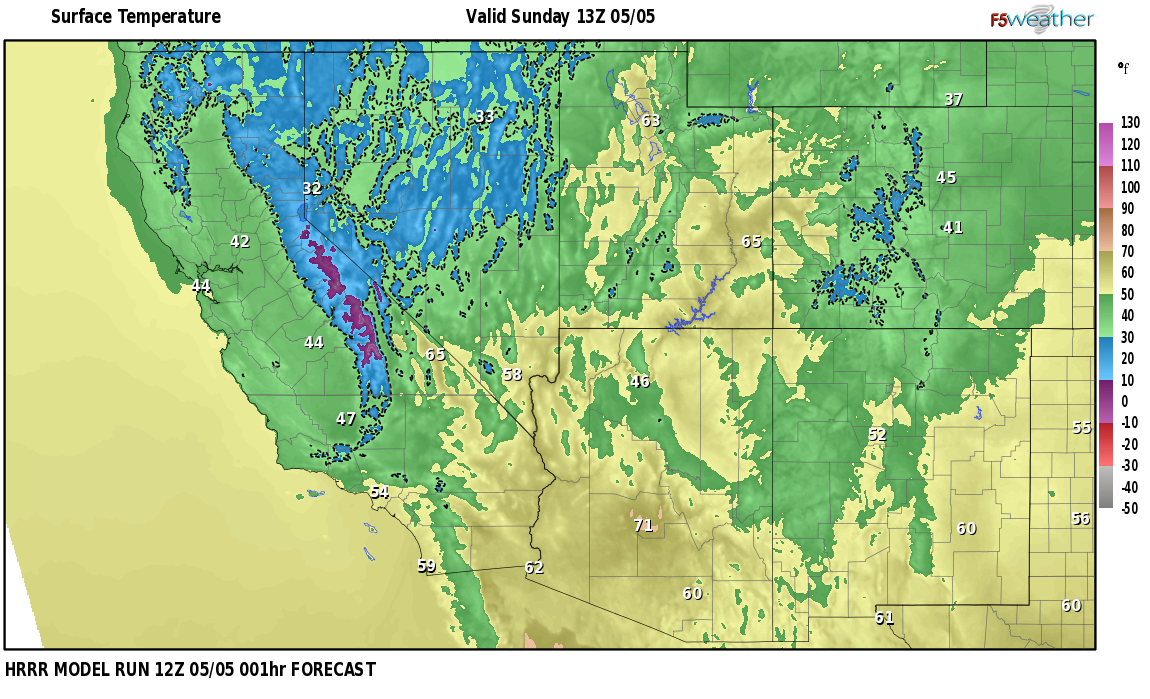
| Imperial Beach, California has a Mediterranean climate, with mild, wet winters and warm, dry summers. The average annual temperature is 64°F (18°C), with average highs in the mid-70s (°F) and average lows in the mid-50s (°F). Temperature • January: Average high of 64°F (18°C), average low of 47°F (8°C)
• April: Average high of 68°F (20°C), average low of 50°F (10°C)
• July: Average high of 77°F (25°C), average low of 62°F (17°C)
• October: Average high of 72°F (22°C), average low of 56°F (13°C) Precipitation • Average annual precipitation: 10 inches (25 cm)
• Most rain falls between November and March
• Summers are typically dry, with little or no rain Humidity • Average annual humidity: 70%
• Humidity is highest in the winter months, when it can reach up to 90%
• Humidity is lowest in the summer months, when it can drop to 30% Wind • Prevailing wind direction is from the west
• Average wind speed is 10 mph (16 km/h)
• Strongest winds occur in the winter months, when gusts can reach up to 50 mph (80 km/h) Sunshine • Average annual sunshine: 3,000 hours
• Most sunshine occurs in the summer months, when there can be up to 12 hours of sunshine per day
• Least sunshine occurs in the winter months, when there can be as little as 6 hours of sunshine per day Overall, Imperial Beach has a pleasant climate year-round, with mild winters and warm, dry summers. The city's proximity to the ocean helps to moderate temperatures, making it a popular destination for beachgoers and outdoor enthusiasts. |
|
| Facts & Historical Information
(made with AI, use with caution)
| Natural History • Imperial Beach is a coastal city located at the southernmost point of San Diego County, bordering Mexico. • The area was once home to the Kumeyaay Native American tribe, who lived in harmony with the coastal ecosystem. • The beach is known for its long, sandy shoreline and gentle waves, making it a popular spot for surfing, swimming, and sunbathing. Science • The Tijuana River National Estuarine Research Reserve is located just north of Imperial Beach. The reserve protects a diverse ecosystem that includes salt marshes, mudflats, and coastal dunes. • Scientists have been studying the effects of climate change on the reserve's ecosystem, including sea level rise and coastal erosion. Personalities • The aviator Charles Lindbergh landed his plane, the Spirit of St. Louis, at Imperial Beach in 1927 after his historic transatlantic flight. • The author and naturalist John Muir visited Imperial Beach in 1875 and wrote about the area's natural beauty and the importance of preserving its ecosystems. |
|
Tourist Attractions
| 1.Imperial Beach Pier: This iconic pier stretches over 1,900 feet into the Pacific Ocean, offering stunning views of the coastline, surfers, and marine life. 2.Tijuana Estuary National Estuarine Research Reserve: Just south of Imperial Beach, this 2,500-acre reserve protects a diverse ecosystem of wetlands, tidal flats, and uplands. Visitors can explore the area via hiking trails, kayak tours, and birdwatching opportunities. 3.Silver Strand State Beach: Located north of Imperial Beach, this 3-mile stretch of beach offers a wide, sandy shore perfect for swimming, sunbathing, and surfing. It also features the Silver Strand Training Complex, a historic military facility with bunkers and artillery batteries. |
|
Nearby Cities:| Chula Vista, CA | | National City, CA | Bonita, CA | | Coronado, CA | San Diego, CA | | La Presa, CA | Lemon Grove, CA | | Spring Valley, CA | La Mesa, CA | | Jamul, CA | El Cajon, CA | | Bostonia, CA | Santee, CA | | Winter Gardens, CA | La Jolla, CA | | Crest, CA | Lakeside, CA | | Los Angeles, CA | | Long Beach, CA | Anaheim, CA | | Santa Ana, CA | Riverside, CA | | Irvine, CA | San Bernardino, CA | | Fontana, CA | Moreno Valley, CA | | Huntington Beach, CA | Oceanside, CA | | Garden Grove, CA | |
|