Climate Summary
(made with AI, use with caution)
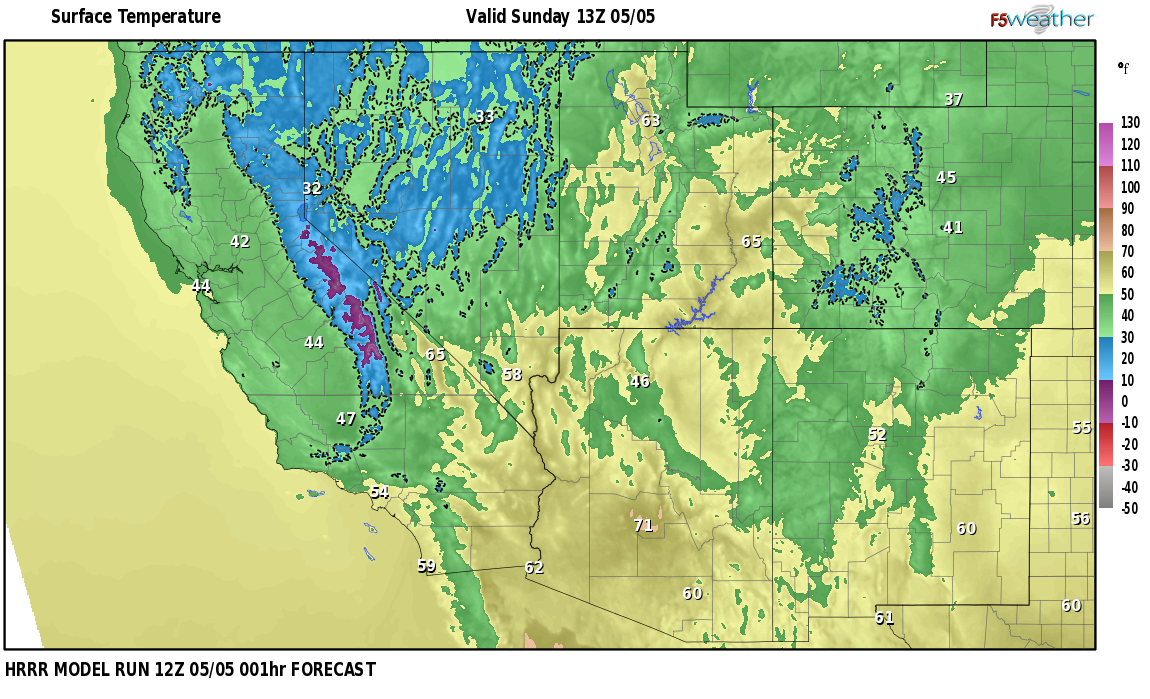
| Salina, Utah Climate Summary General Climate • Salina, Utah has a semi-arid climate, characterized by hot, dry summers and cold, snowy winters.
• The city experiences four distinct seasons, with average temperatures ranging from 29°F in January to 77°F in July.
• Salina receives an average of 12 inches of precipitation per year, with most falling during the winter months. Temperature • Summer During the summer months (June-August), average temperatures in Salina range from 65°F to 77°F. • Winter During the winter months (December-February), average temperatures range from 23°F to 29°F. • Spring and Fall Spring and fall temperatures are generally mild, with average temperatures ranging from 40°F to 60°F. Precipitation • Salina receives an average of 12 inches of precipitation per year.
• Most of the precipitation falls during the winter months, with an average of 5 inches of snow per month.
• The city experiences occasional thunderstorms during the summer months, but these are typically brief and do not produce significant amounts of rain. Humidity • Salina has a relatively low humidity level, with an average relative humidity of 40%.
• The humidity levels are lowest during the winter months and highest during the summer months. Wind • Salina experiences moderate winds throughout the year, with an average wind speed of 10 mph.
• The windiest months are March and April, with average wind speeds of 12 mph. Sunshine • Salina receives an average of 280 sunny days per year.
• The sunniest months are June and July, with an average of 10 hours of sunshine per day. Overall, Salina, Utah has a semi-arid climate with hot, dry summers and cold, snowy winters. The city experiences four distinct seasons, with average temperatures ranging from 29°F in January to 77°F in July. Salina receives an average of 12 inches of precipitation per year, with most falling during the winter months. |
|
| Facts & Historical Information
(made with AI, use with caution)
| Natural History • Salina Canyon, carved by the Sevier River, is a geological wonder featuring towering cliffs, waterfalls, and ancient fossils. • The area is home to a diverse ecosystem, including the endangered Utah prairie dog and the rare Bonneville cutthroat trout. Science • The Salina Experimental Station, established in 1916, conducts agricultural research on crops and livestock adapted to the arid climate. • The Sevier Valley Center, a research and outreach center, focuses on water conservation, renewable energy, and sustainable agriculture. Personalities John Wesley Powell, explorer and geologist, led expeditions through Salina Canyon in the 1860s.Orson Pratt, Mormon apostle and scientist, established the Salina Academy in 1875, which later became Snow College.Dr. John R. Widtsoe, a renowned soil scientist and university president, was born in Salina in 1872. |
|
Tourist Attractions
| 1. Capitol Reef National Park: Located just east of Salina, this park is known for its stunning red rock formations, canyons, and arches. Visitors can enjoy hiking, camping, and scenic drives through the park. 2. Salina Pioneer Museum: This museum tells the story of Salina's history, from its early days as a Mormon settlement to its present-day status as a thriving community. Visitors can learn about the area's pioneers, see artifacts from the past, and explore exhibits on local industries. 3. Sevier River Nature Trail: This paved trail follows the Sevier River for 2.5 miles, providing a scenic and easy walk or bike ride. Visitors can enjoy views of the river, the surrounding mountains, and the local wildlife. |
|
Nearby Cities:| Aurora, UT | | Centerfield, UT | Gunnison, UT | | Richfield, UT | Manti, UT | | West Valley City, UT | | Provo, UT | West Jordan, UT | | Orem, UT | Sandy Hills, UT | | Sandy, UT | South Jordan, UT | | Taylorsville, UT | Lehi, UT | | Murray, UT | Draper, UT | | Riverton, UT | |
|