Climate Summary (made with AI, use with caution)
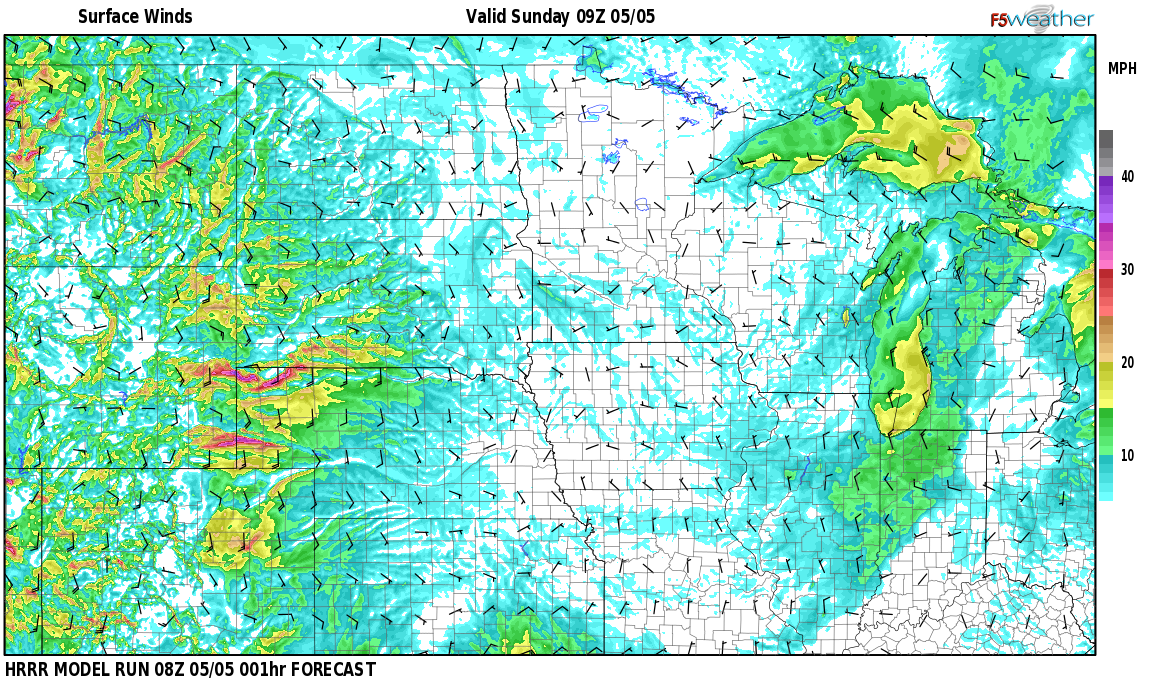
| North Eagle Butte, South Dakota Climate Summary General Climate • Semi-arid continental climate • Warm summers and cold winters • Low precipitation throughout the year Temperature • Average Annual Temperature 45.2°F (7.3°C) • Average Summer Temperature (June-August) 70.9°F (21.6°C) • Average Winter Temperature (December-February) 18.7°F (-7.4°C) • Record High Temperature 110°F (43.3°C) • Record Low Temperature -40°F (-40°C) Precipitation • Average Annual Precipitation 16.7 inches (424 mm) • Average Monthly Precipitation 1.4 inches (36 mm) • Wettest Month June (2.8 inches / 71 mm) • Driest Month January (0.3 inches / 8 mm) • Snowfall 38.1 inches (97 cm) per year Wind • Average Wind Speed 12 mph (19 km/h) • Prevailing Wind Direction Northwest Sunshine • Average Annual Sunshine 2,850 hours • Sunniest Month July (330 hours) • Least Sunny Month December (140 hours) Other Climate Features • Tornado Risk Low • Hail Risk Moderate • Drought Risk Moderate • Growing Season 120-150 days Climate Trends • Temperature Rising slightly over the past few decades • Precipitation No significant changes in the past few decades • Extreme Weather Events Increasing frequency and intensity of severe thunderstorms and hailstorms Sources • National Oceanic and Atmospheric Administration (NOAA) • Climate Prediction Center (CPC) • South Dakota Climate Office |
|
| Facts & Historical Information (made with AI, use with caution)
| Natural History • North Eagle Butte is located on the Cheyenne River Sioux Reservation. • The butte is a remnant of an extinct volcano that erupted millions of years ago. • The butte is home to a diverse array of plant and animal life, including prairie grasses, wildflowers, and birds of prey. Science • In the early 20th century, North Eagle Butte was the site of a major archaeological excavation led by George Will and Henry Fairfield Osborn. • The excavation uncovered a wealth of fossils, including the remains of a new species of dinosaur, the Triceratops. • The discovery of the Triceratops helped to revolutionize our understanding of dinosaur evolution. Personalities • One of the most famous residents of North Eagle Butte was Chief Sitting Bull. • Sitting Bull was a Lakota Sioux warrior and leader who played a key role in the Battle of Little Bighorn. • Sitting Bull was a controversial figure, but he is also remembered as a great warrior and a defender of his people. |
| Tourist Attractions
| 1.Cheyenne River Sioux Tribe Cultural Center This center offers a glimpse into the history, culture, and traditions of the Cheyenne River Sioux Tribe. It features exhibits on the tribe's history, art, and way of life, as well as a gift shop and café. 2.North Eagle Butte Cemetery This cemetery is the final resting place of many notable Lakota people, including Chief Sitting Bull. It is a peaceful and reflective place to learn about the history of the Lakota people and their struggle for survival. 3.Standing Rock National Monument This monument commemorates the Battle of the Little Bighorn, which took place nearby in 1876. It features a visitor center, museum, and hiking trails that lead to the site of the battle. |
| Nearby Cities:| Eagle Butte, SD | | Rapid City, SD | | Pierre, SD | Box Elder, SD | | Rapid Valley, SD | Sturgis, SD | | Mobridge, SD | Summerset, SD | | Fort Pierre, SD | Miller, SD | | Fort Thompson, SD | Hettinger, ND | | Lemmon, SD | |
|