Climate Summary
(made with AI, use with caution)
| Corvallis, Oregon Climate Summary General Climate • Mild, wet winters
• Warm, dry summers
• Year-round precipitation
• Moderate temperatures Temperature • Average annual temperature: 52.5°F (11.4°C)
• Average January temperature: 40.7°F (4.8°C)
• Average July temperature: 67.3°F (19.6°C)
• Record high temperature: 112°F (44.4°C)
• Record low temperature: -16°F (-26.7°C) Precipitation • Average annual precipitation: 42.3 inches (107.4 cm)
• Most precipitation occurs during the winter months (November-March)
• Least precipitation occurs during the summer months (June-September)
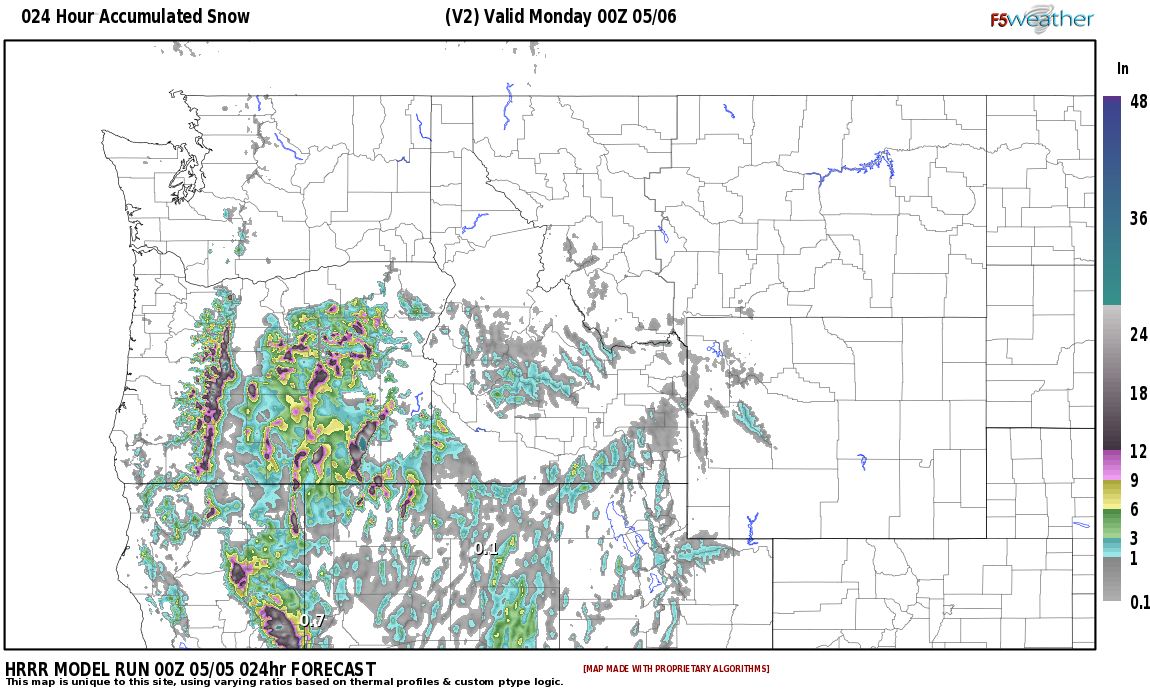
• Snowfall is rare, averaging only 1.4 inches (3.6 cm) per year Wind • Prevailing wind direction: Northwesterly
• Average wind speed: 7.5 mph (12.1 km/h)
• Strongest winds typically occur during the winter months Humidity • Relative humidity is generally high throughout the year
• Average annual relative humidity: 77%
• Driest month: August (67%)
• Wettest month: December (85%) Other Notable Climate Features • Corvallis is located in the Willamette Valley, which experiences a rain shadow effect from the nearby Cascade Mountains. This results in drier summers and less precipitation than coastal areas.
• The city is also influenced by the Pacific Ocean, which moderates temperatures and provides moisture for precipitation.
• Corvallis is prone to occasional fog, especially during the morning hours.
• The city has a relatively long growing season, with an average frost-free period of 200 days. |
|
| Facts & Historical Information
(made with AI, use with caution)
| Natural History • Corvallis is home to the Willamette Valley's largest natural area, Bald Hill Natural Area, with diverse flora and fauna. • The city is located at the confluence of the Willamette and Marys rivers, providing a rich aquatic ecosystem. Science • Oregon State University, a major research institution, is located in Corvallis. • The university's Hatfield Marine Science Center is a world-renowned oceanography research facility. • Corvallis is a hub for environmental science and technology, with many companies and organizations focused on sustainability. Personalities • Linus Pauling, a Nobel Prize-winning chemist, was a professor at Oregon State University. • Ken Kesey, author of \ |
|
Tourist Attractions
| 1.Oregon State University Campus: Explore the beautiful campus of Oregon State University, known for its historic buildings, lush gardens, and world-class research facilities. Visit the Valley Library, admire the Memorial Union Quad, and attend a sporting event or performance at Reser Stadium or Gill Coliseum. 2.Corvallis Farmers Market: Experience the vibrant local culture at the Corvallis Farmers Market, held every Saturday from March to November. Browse a wide variety of fresh produce, baked goods, crafts, and live music from local vendors. Savor the flavors of the Willamette Valley and support the community. 3.Avery Park: Escape into nature at Avery Park, a sprawling 140-acre park on the banks of the Willamette River. Hike or bike along scenic trails, enjoy a picnic by the river, or explore the historic Avery House. The park offers stunning views of the river and surrounding hills, making it a perfect spot for relaxation and recreation. |
|
Nearby Cities:| Philomath, OR | | Tangent, OR | Albany, OR | | Millersburg, OR | Jefferson, OR | | Lebanon, OR | Brownsville, OR | | Monmouth, OR | Harrisburg, OR | | Independence, OR | Junction City, OR | | Turner, OR | Dallas, OR | | Portland, OR | | Vancouver, WA | Salem, OR | | Eugene, OR | Gresham, OR | | Hillsboro, OR | Beaverton, OR | | Bend, OR | Springfield, OR | | Tigard, OR | Aloha, OR | | Lake Oswego, OR | |
|