Climate Summary (made with AI, use with caution)
| Bismarck, North Dakota Climate Summary General Climate • Continental climate with cold winters and warm summers • Average annual temperature: 43.6°F (6.4°C) • Average annual precipitation: 17.38 inches (441.5 mm)
Winter (December-February) • Average temperature: 10.6°F (-11.9°C) • Average snowfall: 38.2 inches (97 cm) • Cold and snowy, with frequent blizzards
Spring (March-May) • Average temperature: 39.2°F (4°C) • Average precipitation: 3.34 inches (84.8 mm) • Gradual warming, with occasional snowstorms
Summer (June-August) • Average temperature: 69.9°F (21.1°C) • Average precipitation: 5.73 inches (145.5 mm) • Warm and sunny, with occasional thunderstorms
Autumn (September-November) • Average temperature: 45.2°F (7.3°C) • Average precipitation: 2.78 inches (70.6 mm) • Gradual cooling, with occasional frost
Extreme Temperatures • Record high: 114°F (45.6°C) • Record low: -42°F (-41.1°C)
Precipitation • Most precipitation falls in June and July • Least precipitation falls in December and January
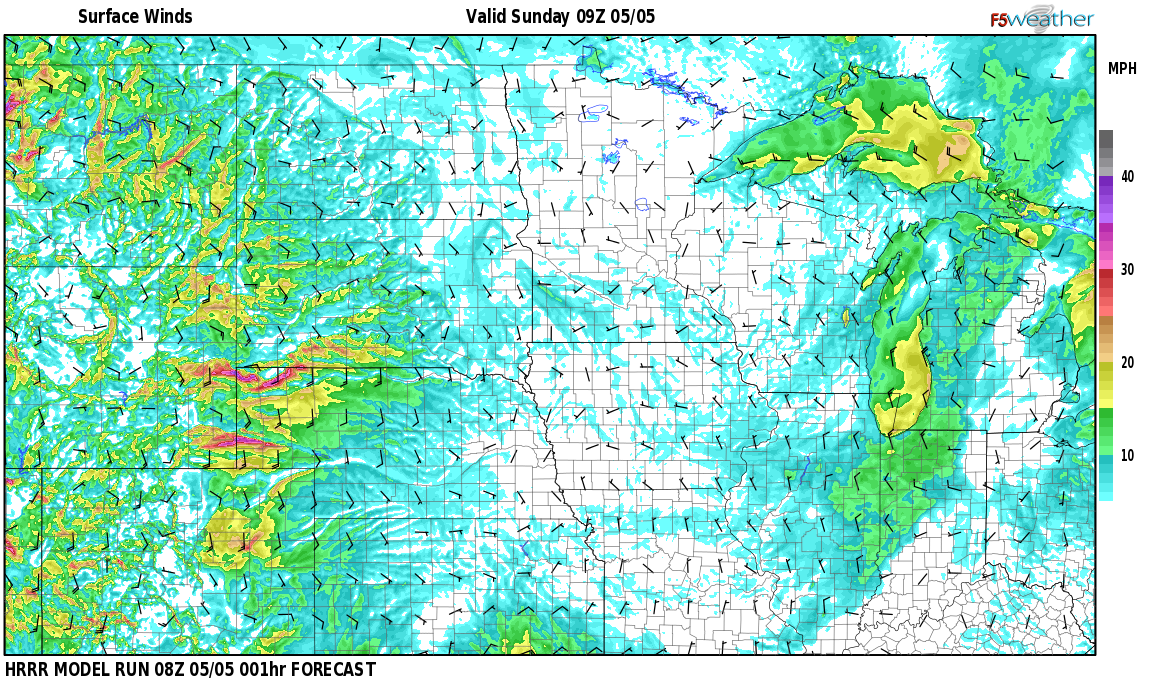
Wind • Prevailing winds from the northwest • Average wind speed: 12.2 mph (19.6 km/h)
Sunshine • Average annual sunshine: 2,380 hours • Most sunshine in July and August • Least sunshine in December and January
Other Notable Climate Features • Bismarck is located in a semi-arid region, with relatively low humidity • The city experiences occasional droughts and floods • The Missouri River flows through Bismarck, influencing the local climate
|
|
| Facts & Historical Information (made with AI, use with caution)
| Natural History • Bismarck is located on the Missouri River, which was once home to a vast population of paddlefish, sturgeon, and other aquatic species. • The city is surrounded by rolling hills and prairies, providing habitat for a variety of birds, mammals, and reptiles. • The North Dakota Heritage Center & State Museum in Bismarck houses exhibits on the state's natural history, including fossils, plants, and animals. Science • Bismarck is home to the University of Mary, a private Catholic university with a strong science program. • The city is also home to the North Dakota Geological Survey, which conducts research on the state's geology and mineral resources. • The Bismarck State College Observatory offers public stargazing events and educational programs. Personalities George Armstrong Custer:The famous U.S. Army general was stationed at Fort Abraham Lincoln, just south of Bismarck, from 1873 to 1876. Theodore Roosevelt:The 26th President of the United States visited Bismarck in 1889 and 1903, and spoke at the dedication of the North Dakota State Capitol. Louis L'Amour:The prolific Western novelist lived in Bismarck for several years and based many of his stories on the region. |
| Tourist Attractions
| 1.North Dakota Heritage Center & State Museum This museum showcases the rich history and culture of North Dakota, with exhibits on Native American life, agriculture, industry, and more. 2.Dakota Zoo This zoo is home to over 1,000 animals from around the world, including lions, tigers, bears, and monkeys. There are also interactive exhibits and a petting zoo. 3.Missouri River Walk This scenic trail runs along the Missouri River and offers beautiful views of the river and the city skyline. There are also several parks and picnic areas along the trail. |
| Nearby Cities:| Lincoln, ND | | Mandan, ND | Minot, ND | | Dickinson, ND | Jamestown, ND | | Mobridge, SD | Beulah, ND | | Rugby, ND | New Town, ND | | Hazen, ND | Carrington, ND | | Harvey, ND | Garrison, ND | | New Rockford, ND | |
|