Climate Summary
(made with AI, use with caution)
| East Helena, Montana Climate Summary General Climate
• Semi-arid steppe climate with warm, dry summers and cold, snowy winters.
• Continental influence with large temperature fluctuations.
Temperature
• Average annual temperature: 44.9°F (7.2°C)
• Average summer temperature (June-August): 67.6°F (19.8°C)
• Average winter temperature (December-February): 24.5°F (-4.2°C)
• Record high temperature: 106°F (41°C)
• Record low temperature: -39°F (-39°C)
Precipitation
• Average annual precipitation: 13.3 inches (338 mm)
• Most precipitation falls during May and June
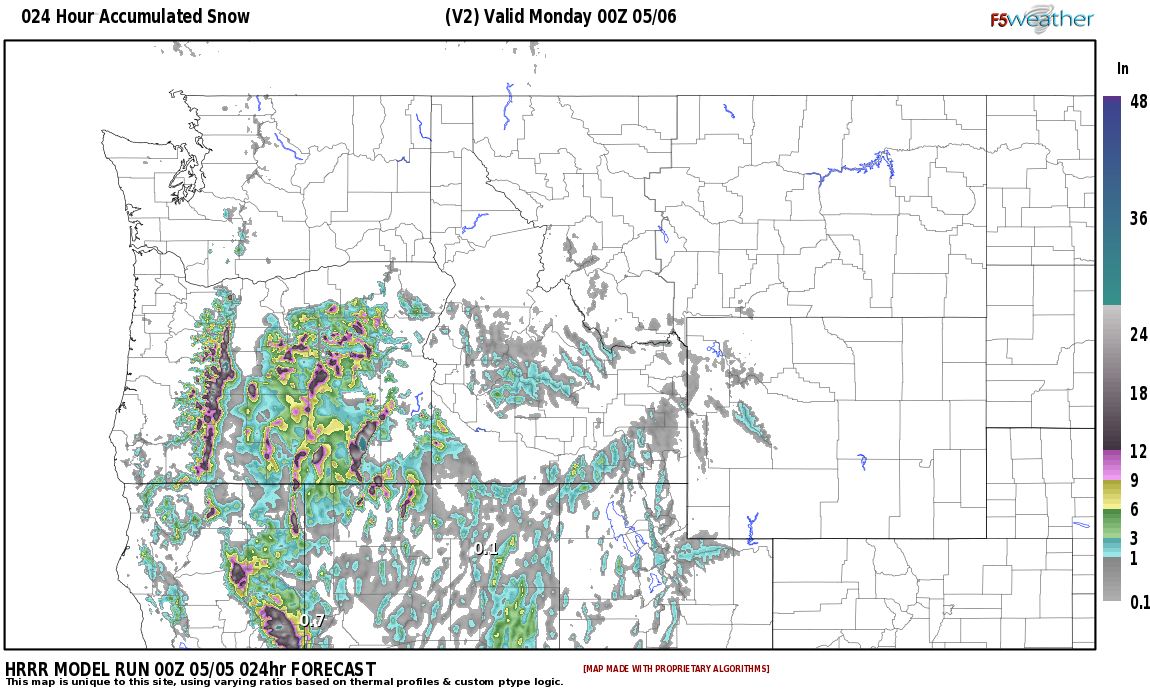
• Snowfall: Average annual snowfall of 42.6 inches (108 cm)
Humidity
• Relatively low humidity year-round
• Average relative humidity: 56%
Wind
• Prevailing wind direction: West-northwest
• Average wind speed: 9.5 mph (15.3 km/h)
Sunshine
• High number of sunshine hours
• Average annual sunshine: 3,068 hours
Other Climate Features
• Chinook winds: Warm, dry winds that can raise temperatures rapidly during winter.
• Thunderstorms: Common in the summer months, especially in the afternoons.
• Hail: Occasional hailstorms can occur during the summer.
• Fog: Rare, but can occur in the early morning hours.
Climate Change Impacts
• Rising temperatures: Average temperatures have increased by 2.5°F (1.4°C) since 1970.
• Changes in precipitation patterns: Precipitation is becoming more variable, with more frequent and intense storms.
• Increased wildfire risk: Drier conditions and warmer temperatures have increased the risk of wildfires.
|
|
| Facts & Historical Information
(made with AI, use with caution)
| Natural History • East Helena is home to the Missouri River, which provides a critical habitat for numerous fish species, waterfowl, and other wildlife. • The area was once a vast prairie ecosystem, with abundant bison, pronghorn antelope, and wolves. Science • The city is the site of the former ASARCO copper smelter, which operated from 1888 to 2001. The smelter's legacy includes significant environmental contamination, which has been the subject of ongoing scientific research and remediation efforts. • East Helena is also home to the Montana Bureau of Mines and Geology, which conducts research on the state's mineral resources and geological hazards. Personalities • Thomas Cruse, a prominent geologist and mining engineer, played a key role in the development of the ASARCO smelter. • Dr. Alice Hamilton, a pioneering industrial hygienist, conducted groundbreaking research on the health effects of lead poisoning among workers at the smelter. • Mary Ronan, a renowned Native American artist, was born in East Helena and her work often depicted the traditional life of the Blackfeet people. |
|
Tourist Attractions
| 1.Missouri Headwaters State Park This park is home to the source of the Missouri River, the longest river in North America. Visitors can explore the park's hiking trails, picnic areas, and fishing spots. 2.East Helena Smelter Historic District This district is a reminder of East Helena's industrial past. Visitors can tour the smelter, which was once one of the largest in the world, and learn about the history of mining and smelting in the area. 3.Gates of the Mountains Wilderness Area This wilderness area is located just a short drive from East Helena. Visitors can hike, camp, and fish in this beautiful area, which is home to towering mountains, pristine lakes, and abundant wildlife. |
|
Nearby Cities:| Montana City, MT | | Helena, MT | Clancy, MT | | Missoula, MT | | Great Falls, MT | Bozeman, MT | | Butte-Silver Bow, MT | Butte, MT | | Anaconda, MT | Belgrade, MT | | Livingston, MT | Lewistown, MT | | Hamilton, MT | Dillon, MT | | Lolo, MT | |
|