Climate Summary
(made with AI, use with caution)
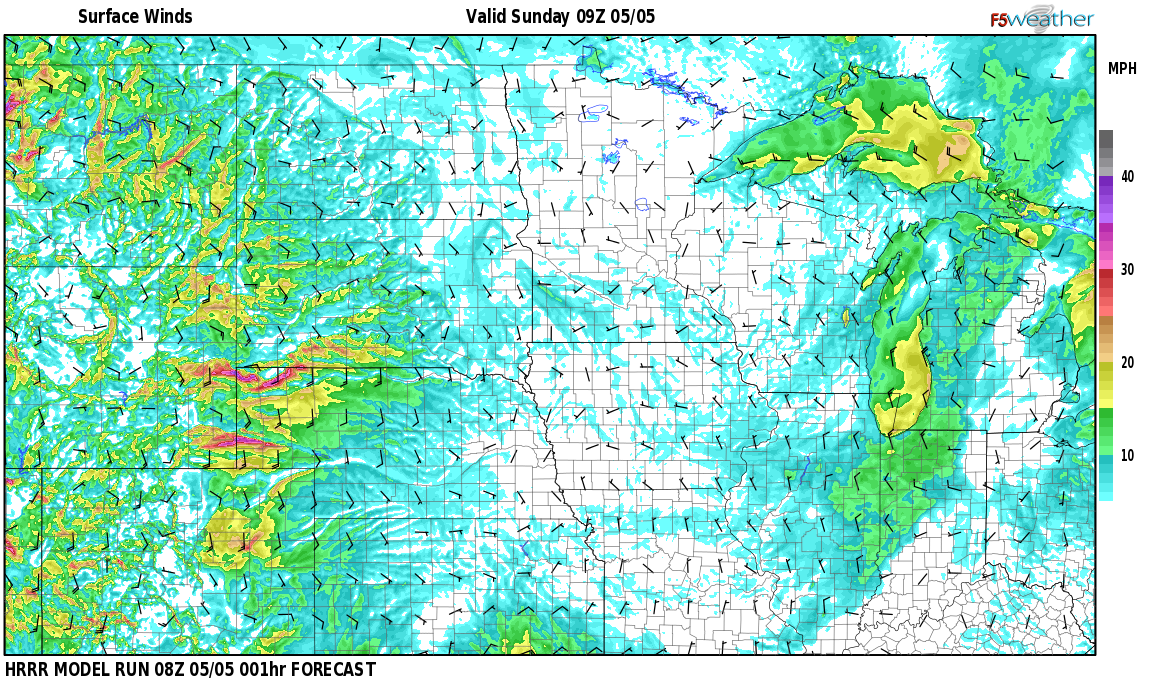
| Rock Creek, MN Climate Summary Temperature • Average Annual Temperature 45.9°F (7.7°C) • Average Summer Temperature (June-August) 68.5°F (20.3°C) • Average Winter Temperature (December-February) 17.4°F (-8.1°C) • Record High Temperature 105°F (40.6°C) • Record Low Temperature -40°F (-40°C) Precipitation • Average Annual Precipitation 30.6 inches (77.7 cm) • Average Monthly Precipitation 2.5 inches (6.4 cm) • Average Snowfall 46.6 inches (118.4 cm) • Wettest Month June (4.3 inches or 10.9 cm) • Driest Month February (1.4 inches or 3.6 cm) Wind • Average Wind Speed 11.6 mph (18.7 km/h) • Prevailing Wind Direction West-northwest Sunshine • Average Annual Sunshine 2,400 hours • Average Daily Sunshine 6.6 hours Climate Classification • Köppen Climate Classification Dfb (Warm Summer Continental Climate) Climate Characteristics • Mild summers with warm days and cool nights. • Cold winters with significant snowfall. • Relatively even distribution of precipitation throughout the year. • Moderate wind speeds. • Abundant sunshine, particularly during the summer months. Additional Notes • Rock Creek experiences a humid continental climate with four distinct seasons.
• The area is prone to occasional thunderstorms and severe weather events, particularly during the spring and summer months.
• The climate is suitable for a variety of outdoor activities year-round, including hiking, biking, fishing, and snowshoeing. |
|
| Facts & Historical Information
(made with AI, use with caution)
| Natural History • Rock Creek is named after a creek flowing through the area, which contains limestone bedrock and is home to a variety of fish species. • The town is located within the prairie pothole region, providing habitat for numerous waterfowl and migratory birds. Science • In 1873, a meteorite fell near Rock Creek, creating a crater that is still visible today. • The town is home to the Rock Creek Research Station, a field station of the University of Minnesota that conducts research on ecology, agriculture, and natural resources. Personalities Knute Nelson:A Norwegian immigrant who served as a U.S. Senator from Minnesota from 1895 to 1923. He was instrumental in establishing the Superior National Forest and the Voyageurs National Park. Leonard Hornsby:A local farmer who discovered the Rock Creek meteorite in 1873. He donated the meteorite to the Smithsonian Institution, where it remains on display. |
|
Tourist Attractions
| 1.Split Rock Lighthouse State Park (10 miles north of Rock Creek): A stunning park featuring a historic lighthouse perched on a rocky bluff overlooking Lake Superior. Visitors can tour the lighthouse, hike along the scenic shoreline, and enjoy panoramic views of the lake. 2.Gooseberry Falls State Park (15 miles north of Rock Creek): Another picturesque park with breathtaking waterfalls, hiking trails, and a suspension bridge offering panoramic views of the Gooseberry River. Visitors can swim in the refreshing pools below the falls or explore the lush forest surrounding the area. 3.Tettegouche State Park (20 miles north of Rock Creek): A vast and rugged park known for its towering cliffs, cascading waterfalls, and scenic hiking trails. Visitors can hike to the summit of Shovel Point for panoramic views of Lake Superior, explore the Baptism River Valley, or relax by the scenic Baptism River. |
|
Nearby Cities:| Rush City, MN | | Pine City, MN | Braham, MN | | Harris, MN | Grantsburg, WI | | North Branch, MN | Cambridge, MN | | Hinckley, MN | Branch, MN | | Mora, MN | Isanti, MN | | Stacy, MN | Frederic, WI | | Minneapolis, MN | | Saint Paul, MN | Rochester, MN | | Bloomington, MN | Duluth, MN | | Brooklyn Park, MN | Plymouth, MN | | Maple Grove, MN | Woodbury, MN | | Eau Claire, WI | Eagan, MN | | Saint Cloud, MN | |
|