Climate Summary
(made with AI, use with caution)
| Independence, MN Climate Summary General Climate
• Humid continental climate with warm, humid summers and cold, snowy winters.
• Located in USDA Hardiness Zone 4a.
Temperature
• Average annual temperature: 46.7°F (8.2°C)
• Average summer temperature (June-August): 72.2°F (22.3°C)
• Average winter temperature (December-February): 17.1°F (-8.3°C)
• Record high temperature: 104°F (40°C)
• Record low temperature: -38°F (-39°C)
Precipitation
• Average annual precipitation: 30.9 inches (785 mm)
• Average annual snowfall: 50.7 inches (129 cm)
• Wettest month: June (4.5 inches or 114 mm)
• Driest month: February (1.4 inches or 36 mm)
Sunshine
• Average annual sunshine: 2,231 hours
• Sunniest month: July (310 hours)
• Cloudiest month: December (129 hours)
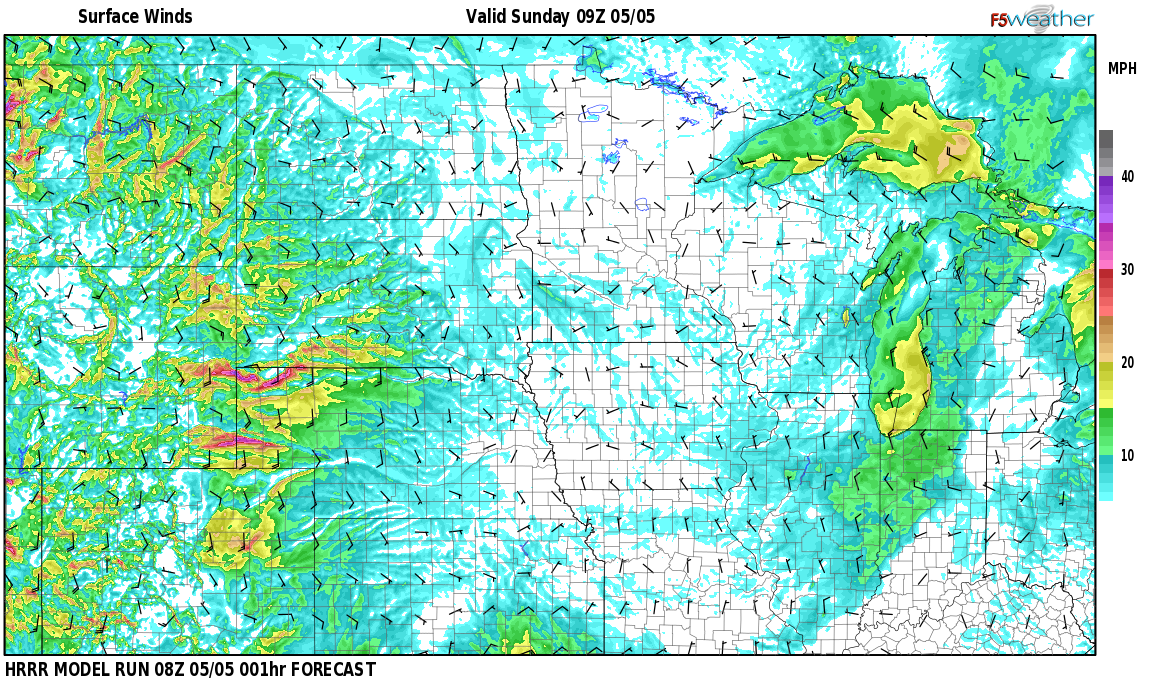
Wind
• Average annual wind speed: 10.3 mph (16.6 km/h)
• Prevailing wind direction: West-northwest
Other Climate Features • Growing season Approximately 150 days (late April to mid-October) • Tornadoes Rare, but possible during spring and summer. • Severe thunderstorms Common during spring and summer, with potential for hail, damaging winds, and heavy rain. • Ice storms Can occur during winter, causing power outages and hazardous driving conditions. Climate Change Impacts
• Rising temperatures and increased frequency of extreme weather events, such as heat waves, droughts, and heavy rainfall.
• Changes in growing seasons and plant hardiness zones.
• Increased risk of flooding and erosion.
|
|
| Facts & Historical Information
(made with AI, use with caution)
| Natural History • Independence is home to the largest stand of old-growth oak savanna in Minnesota, known as the Sand Creek Savanna. • The area was once a vast prairie, but the arrival of settlers led to the clearing of the land for agriculture. • The remaining savanna is now a protected area, providing habitat for a variety of wildlife, including deer, turkeys, and songbirds. Science • The University of Minnesota's Cedar Creek Ecosystem Science Reserve is located in Independence. • The reserve is a 5,400-acre research and teaching facility that focuses on the study of long-term ecological processes. • Scientists at Cedar Creek have made significant contributions to our understanding of climate change, biodiversity, and ecosystem dynamics. Personalities William Sweney:A pioneer settler who arrived in Independence in 1855 and played a key role in the development of the community. John Lind:A Swedish immigrant who served as Governor of Minnesota from 1901 to 1905 and later as a U.S. Senator. Lind was a strong advocate for social justice and conservation. Marjorie Johnson:A pioneering ecologist who conducted groundbreaking research on the prairie ecosystem at Cedar Creek. |
|
Tourist Attractions
| 1.Three Rivers Park District - A vast network of parks, trails, and natural areas, offering opportunities for hiking, biking, fishing, and more. 2.Independence Depot Museum - A historic train depot that has been converted into a museum, showcasing the history of Independence and the railroad industry. 3.Crow-Hassan Park Reserve - A 2,000-acre park with a variety of habitats, including forests, prairies, and wetlands. The park offers hiking, biking, cross-country skiing, and snowshoeing trails. |
|
Nearby Cities:| Hermantown, MN | | Cloquet, MN | Esko, MN | | Proctor, MN | Arnold, MN | | Carlton, MN | Duluth, MN | | Superior, WI | Forest Lake, MN | | Hibbing, MN | Bemidji, MN | | Brainerd, MN | East Bethel, MN | | Grand Rapids, MN | North Branch, MN | | Little Falls, MN | Virginia, MN | | Cambridge, MN | Oak Grove, MN | | Rice Lake, WI | |
|