Climate Summary
(made with AI, use with caution)
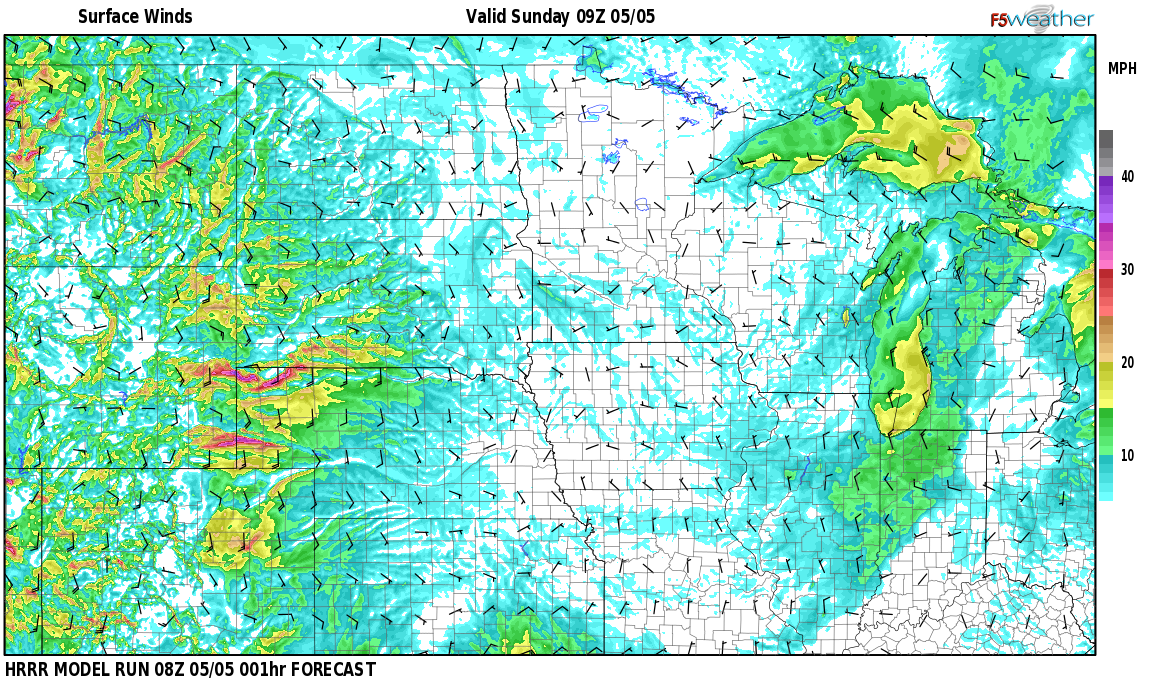
| Byron, Minnesota Climate Summary Temperature • Average Annual Temperature 45.6°F (7.6°C) • Average Summer Temperature (June-August) 67.8°F (19.9°C) • Average Winter Temperature (December-February) 20.2°F (-6.6°C) • Record High Temperature 107°F (41.7°C) • Record Low Temperature -40°F (-40°C) Precipitation • Average Annual Precipitation 30.5 inches (77.5 cm) • Average Snowfall 46.1 inches (117.1 cm) • Wettest Month June (4.2 inches or 10.7 cm) • Driest Month January (1.1 inches or 2.8 cm) Sunshine • Average Annual Sunshine 2,500 hours • Average Daily Sunshine 6.8 hours Wind • Average Annual Wind Speed 11.3 mph (18.2 km/h) • Prevailing Wind Direction West-Northwest Climate Zone • Humid Continental Climate (Köppen classification: Dfa) Characteristics • Warm, humid summers with occasional thunderstorms
• Cold, snowy winters with temperatures below freezing for extended periods
• Moderate precipitation throughout the year, with more rain in the summer and more snow in the winter
• Ample sunshine, especially during the summer months Additional Information • Byron experiences a significant temperature range throughout the year, with hot summers and cold winters.
• The city is located in a tornado-prone area, and severe thunderstorms can occur during the summer months.
• The climate is favorable for agriculture, with a long growing season and ample moisture. |
|
| Facts & Historical Information
(made with AI, use with caution)
| Natural History • Byron is located in the Cannon River Valley, a region known for its limestone bluffs and fertile soils. • The area was once home to vast oak savannas and tallgrass prairies, which have since been converted to agriculture. • The Cannon River, which flows through Byron, supports a diverse aquatic ecosystem, including fish, mussels, and turtles. Science • Byron is home to the Mayo Clinic Health System • Cannon Valley, a major medical center. • The city has a strong commitment to environmental sustainability and has implemented numerous initiatives to reduce its carbon footprint. • Byron is part of the Rochester-Olmsted Science and Technology Corridor, a hub for biomedical research and innovation. Personalities Dr. William Mayo:The co-founder of the Mayo Clinic was born in LeRoy, just a few miles from Byron. John Quincy Adams:The sixth President of the United States visited Byron in 1825 and described it as \ |
|
Tourist Attractions
| 1.Cascade Meadow Wetlands Natural Area is a 1,000-acre natural area that features a variety of habitats, including wetlands, prairies, and forests. The area is home to a variety of wildlife, including deer, turkeys, and eagles. There are several hiking trails in the area, as well as a boardwalk that leads to a viewing platform overlooking the wetlands. 2.Mayo Clinic Rochester is a world-renowned medical center that offers a variety of services, including cancer care, heart care, and neurosurgery. The clinic is home to a number of research centers, and it is also a teaching hospital for the Mayo Clinic College of Medicine and Science. 3.Quarry Hill Nature Center is a 326-acre nature center that features a variety of exhibits on the natural history of the area. The center also offers a variety of educational programs, including nature walks, workshops, and classes. |
|
Nearby Cities:| Kasson, MN | | Mantorville, MN | Rochester, MN | | Dodge Center, MN | Oronoco, MN | | Pine Island, MN | Hayfield, MN | | Stewartville, MN | Zumbrota, MN | | Wanamingo, MN | Elgin, MN | | Eyota, MN | Grand Meadow, MN | | Blooming Prairie, MN | Kenyon, MN | | Minneapolis, MN | | Saint Paul, MN | Bloomington, MN | | Brooklyn Park, MN | Plymouth, MN | | Waterloo, IA | Maple Grove, MN | | Woodbury, MN | Eau Claire, WI | | Eagan, MN | Eden Prairie, MN | | West Coon Rapids, MN | |
|