Climate Summary (made with AI, use with caution)
| Appleton, Minnesota Climate Summary General Climate • Humid continental climate with warm, humid summers and cold, snowy winters. • Located in USDA Hardiness Zone 4a.
Temperature • Average annual temperature: 43.6°F (6.4°C) • Average summer high temperature: 82.3°F (28°C) • Average summer low temperature: 60.3°F (15.7°C) • Average winter high temperature: 25.5°F (-3.6°C) • Average winter low temperature: 11.3°F (-11.5°C)
Precipitation • Average annual precipitation: 32.15 inches (817 mm) • Average annual snowfall: 52.4 inches (133 cm) • Driest month: February (0.79 inches) • Wettest month: June (5.06 inches)
Sunshine • Average annual sunshine: 2,222 hours • Sunniest month: July (319 hours) • Cloudiest month: December (124 hours)
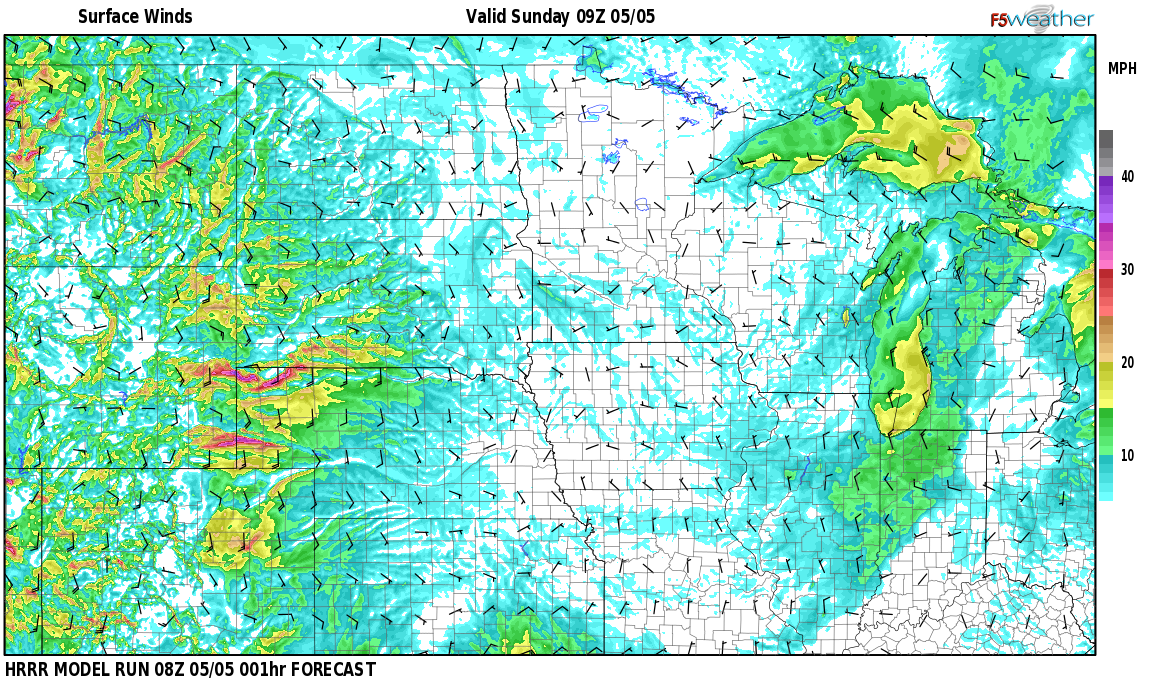
Wind • Prevailing wind direction: West • Average wind speed: 10.6 miles per hour (17.1 kilometers per hour)
Extreme Weather • Tornadoes: Rare, but possible during spring and summer months. • Blizzards: Occasional during winter months, bringing heavy snow and strong winds. • Heat waves: Can occur during summer months, with temperatures reaching or exceeding 90°F (32°C). • Cold snaps: Can occur during winter months, with temperatures dropping below 0°F (-18°C).
Growing Season • Average frost-free period: 120 days (May 15 • September 12) • Average length of growing season: 150 days (April 20 • October 8)
|
|
| Facts & Historical Information (made with AI, use with caution)
| Natural History • Appleton is home to the Appleton Marsh, a 1,200-acre wetland complex renowned for its birdwatching opportunities. • The marsh is a vital stopover for migratory birds, including sandhill cranes, great blue herons, and bald eagles. • Appleton is also known for its glacial landforms, including the Appleton Till Plain and the Big Stone Moraine. Science • Appleton was the site of a major agricultural research center operated by the University of Minnesota from 1913 to 1993. • The center played a significant role in developing new crop varieties and agricultural practices. • Appleton is home to the Minnesota West Community and Technical College, which offers programs in agriculture, science, and technology. Personalities Knute Nelson:Born in Norway, Nelson immigrated to Appleton in 1860 and became a prominent Republican politician. He served as Governor of Minnesota from 1893 to 1895 and as a U.S. Senator from 1895 to 1923. Ole Evinrude:Born in Norway, Evinrude immigrated to Appleton in 1900 and founded the Evinrude Outboard Motor Company. His invention revolutionized the boating industry. Carl Sandburg:The renowned poet and author visited Appleton in 1928 and gave a lecture at the Appleton High School. |
| Tourist Attractions
| 1.Upper Sioux Agency State Park is a historic site that was once home to the Dakota people. The park features a reconstructed village, a museum, and hiking trails. 2.Lac qui Parle State Park is a scenic park that offers camping, fishing, and boating. The park is home to a variety of wildlife, including deer, turkeys, and eagles. 3.Big Stone Lake State Park is a popular destination for fishing and boating. The park also offers camping, hiking, and picnicking. |
| Nearby Cities:| Madison, MN | | Dawson, MN | Benson, MN | | Montevideo, MN | Ortonville, MN | | Sioux Falls, SD | | Fargo, ND | Saint Cloud, MN | | Moorhead, MN | Mankato, MN | | Aberdeen, SD | Chaska, MN | | Elk River, MN | Brookings, SD | | Watertown, SD | Willmar, MN | | Sartell, MN | |
|