Climate Summary
(made with AI, use with caution)
| Annandale, Minnesota Climate Summary Annandale, Minnesota has a humid continental climate, characterized by warm, humid summers and cold, snowy winters. Temperature • Average annual temperature: 46.9°F (8.3°C)
• Average summer temperature (June-August): 70.9°F (21.6°C)
• Average winter temperature (December-February): 18.1°F (-7.7°C)
• Record high temperature: 108°F (42.2°C)
• Record low temperature: -40°F (-40°C) Precipitation • Average annual precipitation: 35.4 inches (899 mm)
• Average rainfall: 28.5 inches (724 mm)
• Average snowfall: 68.9 inches (175 cm)
• Highest monthly precipitation: June (4.8 inches / 122 mm)
• Driest month: February (1.2 inches / 30 mm) Snowfall • Annandale receives an average of 68.9 inches (175 cm) of snowfall annually.
• Snowfall is most common from November to March.
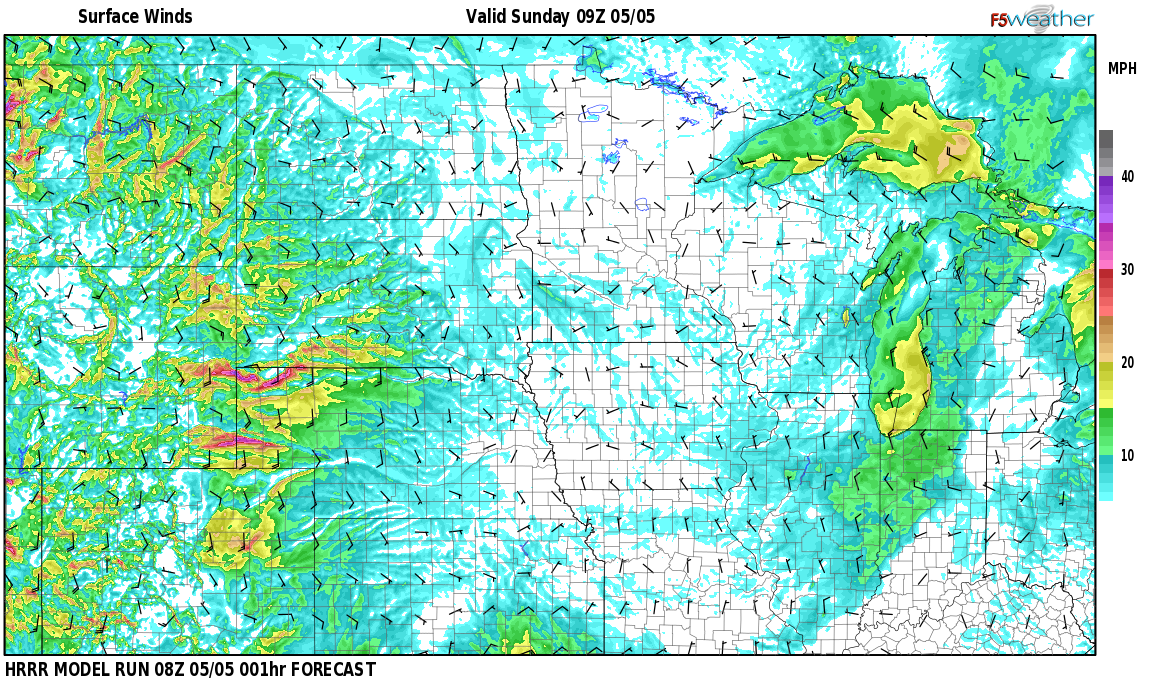
• Snow cover typically lasts from December to March. Wind • Annandale experiences moderate winds throughout the year.
• Average wind speed: 10.2 mph (16.4 km/h)
• Prevailing wind direction: West-northwest Humidity • Annandale has high humidity levels, especially during the summer months.
• Average relative humidity: 75%
• Highest humidity: July (81%)
• Lowest humidity: January (67%) Sunshine • Annandale receives an average of 2,367 hours of sunshine annually.
• Sunniest month: July (333 hours)
• Cloudiest month: December (141 hours) Extreme Weather • Annandale is occasionally affected by severe thunderstorms, tornadoes, and blizzards.
• The area is also susceptible to flooding during heavy rainfall events. |
|
| Facts & Historical Information
(made with AI, use with caution)
| Natural History • Annandale is situated on the edge of the Anoka Sand Plain, a vast glacial outwash plain formed by meltwater from the retreating glaciers. • The area is home to a diverse range of plant and animal life, including several endangered species, such as the Blanding's turtle and the American burying beetle. • The Annandale National Wildlife Refuge, established in 1965, protects over 1,000 acres of wetlands, grasslands, and forests. Science • Annandale is home to the Annandale Observatory, one of the largest private observatories in the Midwest. • The observatory has been used by astronomers for over 50 years to study the night sky and make discoveries about celestial objects. • In 1999, Annandale astronomer David Levy co-discovered the comet Shoemaker-Levy 9, which crashed into Jupiter in 1994. Personalities • Annandale is the birthplace of several notable figures, including: • William H. Eustis, the first Secretary of War under President James Madison • Charles A. Lindbergh, the famous aviator who made the first solo transatlantic flight • Ray Kroc, the founder of McDonald's |
|
Tourist Attractions
| 1.Annandale National Wildlife Refuge A 14,000-acre refuge with hiking trails, wildlife viewing platforms, and opportunities for fishing, hunting, and kayaking. 2.Lake Maria State Park A 1,700-acre park with a 12-mile hiking trail, a lake for fishing and boating, and a campground. 3.Buffalo National River A 135-mile river that offers opportunities for canoeing, kayaking, fishing, and hiking. |
|
Nearby Cities:| Maple Lake, MN | | Clearwater, MN | Cokato, MN | | Buffalo, MN | Howard Lake, MN | | Saint Augusta, MN | Becker, MN | | Saint Augusta, MN | Waverly, MN | | Dassel, MN | Monticello, MN | | Montrose, MN | Rockville, MN | | Big Lake, MN | Cold Spring, MN | | Winsted, MN | Saint Cloud, MN | | Minneapolis, MN | | Saint Paul, MN | Rochester, MN | | Bloomington, MN | Brooklyn Park, MN | | Plymouth, MN | Maple Grove, MN | | Woodbury, MN | Eagan, MN | | Eden Prairie, MN | West Coon Rapids, MN | | Coon Rapids, MN | |
|