Climate Summary
(made with AI, use with caution)
| Osceola, IA Climate Summary General Climate
• Humid continental climate with hot summers and cold winters.
• Four distinct seasons with moderate precipitation throughout the year.
Temperature
• Average annual temperature: 48.9°F (9.4°C)
• Average summer temperature (June-August): 74.4°F (23.6°C)
• Average winter temperature (December-February): 25.2°F (-3.8°C)
• Record high temperature: 114°F (45.6°C)
• Record low temperature: -30°F (-34.4°C)
Precipitation
• Average annual precipitation: 35.2 inches (894 mm)
• Average monthly precipitation: 2.9 inches (74 mm)
• Most precipitation occurs in May and June.
• Least precipitation occurs in January and February.
• Snowfall: Average annual snowfall: 24.3 inches (61.7 cm)
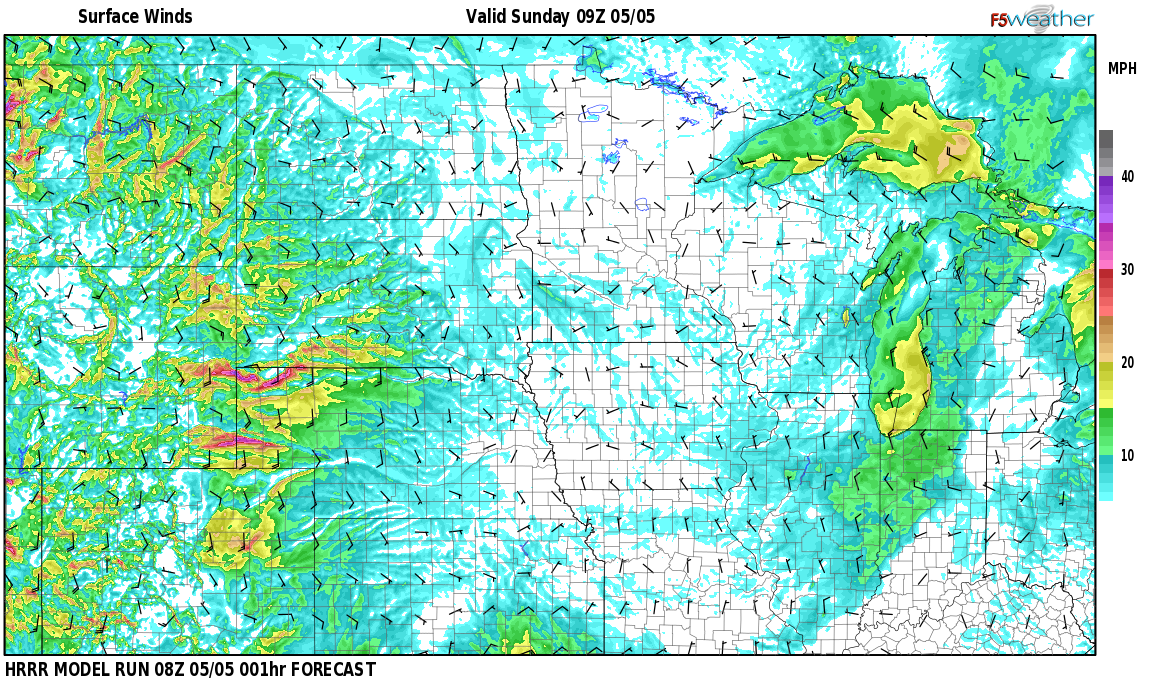
Wind
• Average wind speed: 11.9 mph (19.2 km/h)
• Prevailing wind direction: Northwest
Humidity
• Average annual relative humidity: 74%
• Highest humidity occurs in summer (June-August).
• Lowest humidity occurs in winter (December-February).
Sunshine
• Average annual sunshine: 2,455 hours
• Most sunshine occurs in summer (June-August).
• Least sunshine occurs in winter (December-February).
Extreme Weather
• Tornadoes: Osceola is located in an area with a moderate risk of tornadoes.
• Thunderstorms: Frequent during the spring and summer months.
• Blizzards: Can occur during the winter months.
Seasonal Climate Spring (March-May)
• Temperatures gradually warm.
• Precipitation increases.
• Severe thunderstorms possible.
Summer (June-August)
• Hot and humid.
• Highest precipitation.
• Severe thunderstorms common.
Autumn (September-November)
• Temperatures cool.
• Precipitation decreases.
• Foliage changes color.
Winter (December-February)
• Cold and snowy.
• Lowest precipitation.
• Blizzards possible.
|
|
| Facts & Historical Information
(made with AI, use with caution)
| Natural History • Osceola is situated on the Des Moines River, which supports a diverse ecosystem. • The area is home to native plant communities such as oak savannas, prairies, and wetlands. • The nearby Neal Smith National Wildlife Refuge protects over 8,000 acres of habitat for migratory birds and other wildlife. Science • Osceola is the home of the Iowa State University Extension and Outreach office, which provides research and education on agriculture, natural resources, and community development. • The city is also home to the Iowa Valley Community College, which offers science and technology programs. Personalities James Wilson McDill(1834-1906): A prominent Republican politician who served as a U.S. Representative and Senator from Iowa. Norman Borlaug(1914-2009): A world-renowned agricultural scientist who was awarded the Nobel Peace Prize for his work on developing high-yielding wheat varieties. John Deere(1804-1886): The founder of Deere & Company, one of the world's largest manufacturers of agricultural equipment, had a factory in Osceola from 1863 to 1880. |
|
Tourist Attractions
| 1.Neal Smith National Wildlife Refuge is a 1,700-acre refuge that protects a variety of habitats, including wetlands, prairies, and forests. The refuge is home to a variety of wildlife, including deer, turkeys, and eagles. Visitors can enjoy hiking, biking, and fishing on the refuge's trails. 2.Osceola County Fairgrounds is home to the annual Osceola County Fair, which is held in August. The fair features a variety of events, including livestock shows, carnival rides, and live music. 3.Osceola Golf and Country Club is an 18-hole golf course that is open to the public. The course is challenging but fair, and it offers beautiful views of the surrounding countryside. |
|
Nearby Cities:| Leon, IA | | Chariton, IA | Winterset, IA | | Omaha, NE | | Des Moines, IA | Saint Joseph, MO | | Ames, IA | West Des Moines, IA | | Council Bluffs, IA | Ankeny, IA | | Bellevue, NE | Urbandale, IA | | Marshalltown, IA | Fort Dodge, IA | | Ottumwa, IA | |
|