Climate Summary (made with AI, use with caution)
| Newton, Iowa Climate Summary General Climate Newton, Iowa experiences a humid continental climate, characterized by hot, humid summers and cold, snowy winters. The city's location in the Midwestern United States exposes it to a variety of weather systems, including hot and humid air masses from the Gulf of Mexico, cold and dry air masses from the Arctic, and moist air masses from the Pacific Ocean.
Temperature • Average Annual Temperature: 48.9°F (9.4°C) • Average Summer Temperature (June-August): 74.5°F (23.6°C) • Average Winter Temperature (December-February): 26.9°F (-2.8°C) • Highest Temperature on Record: 112°F (44.4°C) • Lowest Temperature on Record: -36°F (-37.8°C)
Precipitation • Average Annual Precipitation: 36.1 inches (917 mm) • Average Snowfall: 30.8 inches (78 cm) • Wettest Month: May (4.7 inches or 119 mm) • Driest Month: February (1.4 inches or 36 mm)
Humidity • Average Annual Humidity: 72% • Highest Humidity: July (80%) • Lowest Humidity: January (65%)
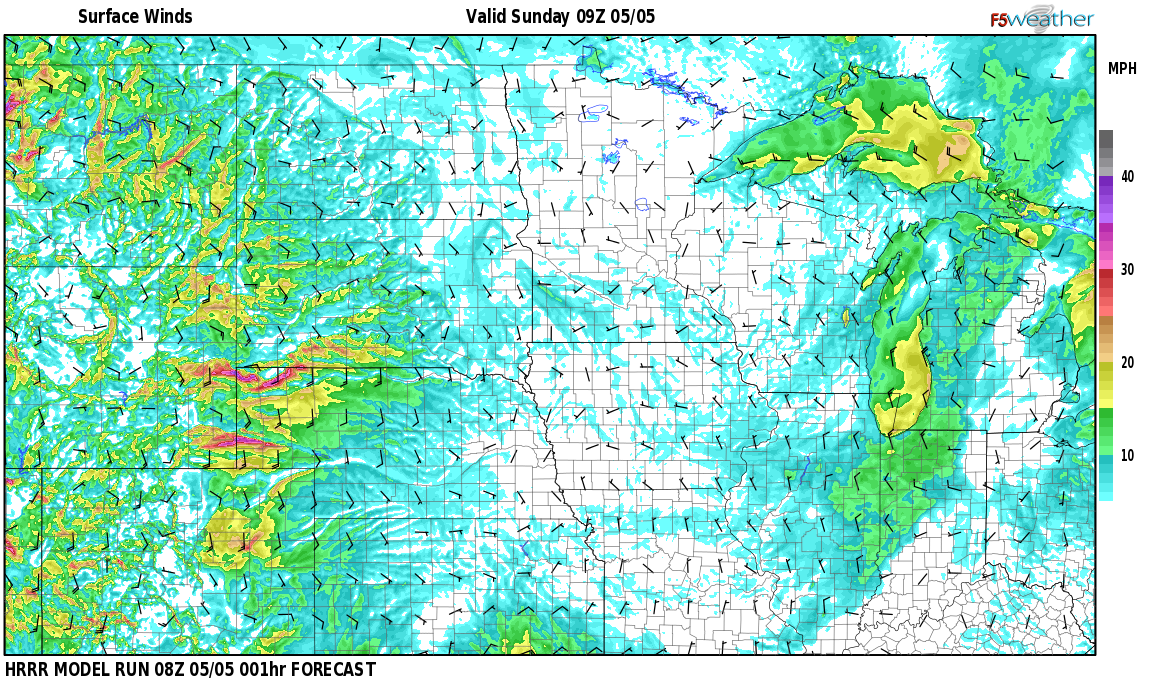
Wind • Average Wind Speed: 10.4 mph (16.7 km/h) • Prevailing Wind Direction: West-Northwest
Severe Weather • Tornadoes: Newton is located in an area with a moderate risk of tornadoes. • Thunderstorms: The city experiences frequent thunderstorms, especially during the summer months. • Hail: Hailstorms can occur during severe thunderstorms. • Blizzards: Newton can experience occasional blizzards during the winter months.
Climate Change Like many regions worldwide, Newton is experiencing the effects of climate change. The city's average temperature has increased by about 1.5°F (0.8°C) since the late 19th century. This warming trend is expected to continue in the future, leading to more extreme weather events, such as heat waves, droughts, and floods.
|
|
| Facts & Historical Information (made with AI, use with caution)
| Natural History • Newton is situated in the Des Moines River Valley, a rich ecosystem supporting various plant and animal life. • The city is home to the Jasper County Conservation Board's Hickory Grove Park, a 200-acre natural area with hiking trails and wildlife observation opportunities. Science • Newton was the birthplace of Nobel Prize-winning physicist James Van Allen, known for his discovery of the Van Allen radiation belts. • The city is home to the Iowa State University Extension and Outreach Newton Research and Demonstration Farm, which conducts agricultural research and provides educational programs. Personalities • The renowned Western artist Charles Russell spent his childhood in Newton and attended the local school. • The city's namesake, Newton Rathbun, was a prominent Iowa politician and businessman who played a significant role in the development of the area. |
| Tourist Attractions
| 1.Maytag Dairy Farms: A family-owned dairy farm that offers guided tours, ice cream, and a petting zoo. 2.Newton Arboretum and Botanical Gardens: A 40-acre park with a variety of gardens, walking trails, and a children's play area. 3.Jasper County Historical Museum: A museum that tells the history of Jasper County, Iowa, through exhibits on agriculture, industry, and transportation. |
| Nearby Cities:| Baxter, IA | | Colfax, IA | Prairie City, IA | | Monroe, IA | Mitchellville, IA | | Grinnell, IA | Bondurant, IA | | Pella, IA | Altoona, IA | | State Center, IA | Pleasantville, IA | | Des Moines, IA | | Cedar Rapids, IA | Iowa City, IA | | Waterloo, IA | Ames, IA | | West Des Moines, IA | Ankeny, IA | | Urbandale, IA | Cedar Falls, IA | | Marion, IA | Marshalltown, IA | | Mason City, IA | |
|