Climate Summary
(made with AI, use with caution)
| Williamsville, IL Climate Summary Average Temperature • January: 27°F (-3°C)
• July: 78°F (26°C)
• Annual Average: 52°F (11°C) Precipitation • Average Annual Precipitation: 36 inches (91 cm)
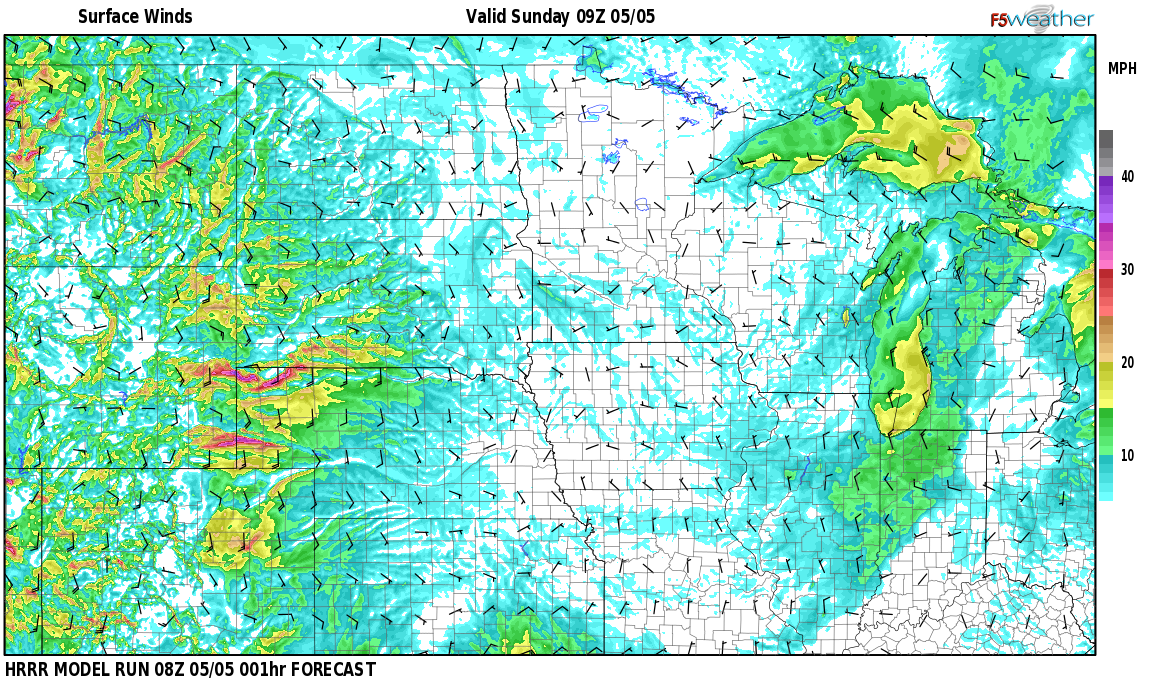
• Average Snowfall: 25 inches (64 cm) Humidity • Average Annual Humidity: 75% Wind • Average Wind Speed: 10 mph (16 km/h) Climate Type • Humid continental climate Growing Season • Average Frost-Free Period: 160 days Climate Summary Williamsville, Illinois has a humid continental climate, with hot, humid summers and cold, snowy winters. The average annual temperature is 52°F (11°C), with average temperatures ranging from 27°F (-3°C) in January to 78°F (26°C) in July. The average annual precipitation is 36 inches (91 cm), with most of the precipitation occurring during the spring and summer months. The average annual snowfall is 25 inches (64 cm). The average annual humidity is 75%. The average wind speed is 10 mph (16 km/h). The growing season in Williamsville lasts for an average of 160 days. Climate Variability The climate in Williamsville is variable from year to year. Temperatures can fluctuate significantly from the average, and precipitation can be unpredictable. In some years, Williamsville may experience extreme weather events, such as droughts, floods, or tornadoes. Climate Change The climate in Williamsville is changing. The average annual temperature has increased by about 1°F (0.6°C) since the late 19th century. The average annual precipitation has also increased slightly. These changes are consistent with the global trend of climate change. Climate Impacts The changing climate is having a number of impacts on Williamsville. These impacts include: • More extreme weather events, such as droughts, floods, and tornadoes
• Longer and hotter summers
• Shorter and milder winters
• Changes in plant and animal life
• Increased risk of flooding and erosion
• Increased demand for water and energy Climate Adaptation The community of Williamsville is taking steps to adapt to the changing climate. These steps include: • Investing in infrastructure to protect against flooding and erosion
• Developing drought preparedness plans
• Promoting energy efficiency and renewable energy
• Planting trees and other vegetation to help cool the community
• Educating the public about climate change and its impacts By taking these steps, the community of Williamsville is working to reduce its vulnerability to the impacts of climate change. |
|
| Facts & Historical Information
(made with AI, use with caution)
| Natural History • Williamsville lies within the Grand Prairie Natural Division, known for its vast grasslands and wetlands. • The Sangamon River, a tributary of the Illinois River, flows through the area, providing habitat for diverse aquatic species. Science • The Williamsville Biological Station was established in 1930 by the Illinois Natural History Survey. It has been a hub for ecological research and education for nearly a century. • The station's 5,000-acre preserve protects a wide range of habitats, including wetlands, prairies, and forests. Personalities Stephen A. Forbes:A renowned entomologist and ecologist, Forbes served as the first director of the Illinois Natural History Survey. He conducted groundbreaking research on insects and their impact on agriculture. Charles C. Adams:A prominent ornithologist and conservationist, Adams was a key figure in the establishment of the Williamsville Biological Station. He authored numerous publications on bird behavior and ecology. |
|
Tourist Attractions
| 1.Lincoln Home National Historic Site (Springfield, IL): The home of Abraham Lincoln and his family from 1844 to 1861. Visitors can tour the home, learn about Lincoln's life, and see artifacts from his presidency. 2.Abraham Lincoln Presidential Library and Museum (Springfield, IL): A museum dedicated to the life and legacy of Abraham Lincoln. Visitors can see exhibits on Lincoln's childhood, political career, and assassination. 3.Dana-Thomas House (Springfield, IL): A Frank Lloyd Wright-designed house built in 1902. Visitors can tour the house and learn about Wright's architectural style. |
|
Nearby Cities:| Sherman, IL | | Riverton, IL | Athens, IL | | Grandview, IL | Springfield, IL | | Rochester, IL | Leland Grove, IL | | Mount Pulaski, IL | Southern View, IL | | Jerome, IL | Lincoln, IL | | Petersburg, IL | Mason City, IL | | Chatham, IL | Edinburg, IL | | Pawnee, IL | Peoria, IL | | North Peoria, IL | Davenport, IA | | Champaign, IL | Bloomington, IL | | Decatur, IL | Saint Charles, MO | | Terre Haute, IN | Normal, IL | | Saint Peters, MO | Florissant, MO | | Chesterfield, MO | |
|