Climate Summary
(made with AI, use with caution)
| Wayne, Illinois Climate Summary General Climate • Wayne, Illinois has a humid continental climate, with warm, humid summers and cold, snowy winters.
• The average annual temperature is 48.9°F (9.4°C).
• The average annual precipitation is 36.3 inches (922 mm).
• The average annual snowfall is 31.7 inches (805 mm). Temperature • The average temperature in January, the coldest month, is 23.5°F (-4.7°C).
• The average temperature in July, the warmest month, is 74.3°F (23.5°C).
• The average daily temperature range is 20.8°F (11.6°C). Precipitation • The average annual precipitation is 36.3 inches (922 mm).
• The average monthly precipitation ranges from 2.3 inches (58 mm) in February to 4.4 inches (112 mm) in May.
• The average annual snowfall is 31.7 inches (805 mm).
• The average monthly snowfall ranges from 3.6 inches (91 mm) in December to 8.3 inches (211 mm) in February. Sunshine • The average annual sunshine is 2,544 hours.
• The average daily sunshine ranges from 4.5 hours in December to 8.5 hours in June. Humidity • The average annual relative humidity is 72%.
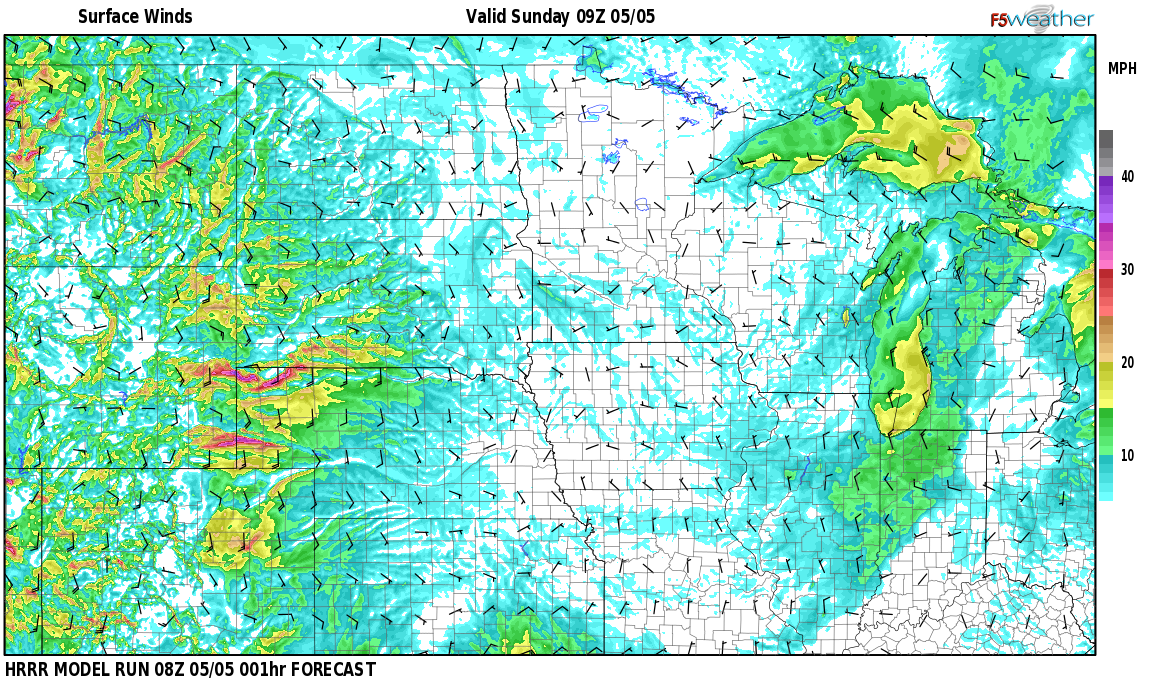
• The average monthly relative humidity ranges from 65% in June to 78% in January. Wind • The average annual wind speed is 10.2 mph (16.4 km/h).
• The average monthly wind speed ranges from 8.7 mph (14.0 km/h) in August to 11.5 mph (18.5 km/h) in March. Severe Weather • Wayne, Illinois is located in an area that is prone to severe weather, including tornadoes, hailstorms, and thunderstorms.
• The average annual number of tornadoes is 1.2.
• The average annual number of hailstorms is 2.3.
• The average annual number of thunderstorms is 45. Climate Change • The climate in Wayne, Illinois is changing. The average annual temperature has increased by 1.8°F (1.0°C) since 1895.
• The average annual precipitation has increased by 2.6 inches (66 mm) since 1895.
• The average annual snowfall has decreased by 5.5 inches (140 mm) since 1895.
• The average annual number of tornadoes has increased since 1950.
• The average annual number of hailstorms has increased since 1950.
• The average annual number of thunderstorms has increased since 1950. Sources • National Oceanic and Atmospheric Administration (NOAA)
• Illinois State Climatologist
• Midwestern Regional Climate Center |
|
| Facts & Historical Information
(made with AI, use with caution)
| Natural History • Wayne is home to the Wayne National Forest, covering over 250,000 acres. • The forest boasts a diverse ecosystem, including old-growth forests, wetlands, and streams. • The area is a haven for wildlife, including black bears, bobcats, and bald eagles. Science • The Fermi National Accelerator Laboratory (Fermilab) is located near Wayne. • Fermilab is a world-renowned particle physics research facility. • Scientists at Fermilab have made groundbreaking discoveries in the field of particle physics. Personalities • Wayne was the childhood home of prominent physicist Enrico Fermi. • Fermi's work at Fermilab led to the development of the atomic bomb and the discovery of the Higgs boson. • The town of Wayne is named after General \ |
|
Tourist Attractions
| 1.St. Charles Park District (St. Charles, IL): A sprawling park with a lake, walking trails, playgrounds, and a splash pad. 2.Kane County Fairgrounds (St. Charles, IL): Home to the annual Kane County Fair, as well as other events and activities throughout the year. 3.Fox River Trail (Wayne, IL): A scenic bike path that follows the Fox River for 40 miles. |
|
Nearby Cities:| Farmington, IL | | South Elgin, IL | Geneva, IL | | Bartlett, IL | West Chicago, IL | | Elgin, IL | Wasco, IL | | Streamwood, IL | Batavia, IL | | Hanover Park, IL | Carol Stream, IL | | Winfield, IL | Bloomingdale, IL | | Roselle, IL | Sleepy Hollow, IL | | Wheaton, IL | West Dundee, IL | | Milwaukee, WI | | Madison, WI | Rockford, IL | | Joliet, IL | Naperville, IL | | Peoria, IL | North Peoria, IL | | South Bend, IN | Kenosha, WI | | Waukegan, IL | West Town, IL | | Near North Side, IL | |
|