Climate Summary
(made with AI, use with caution)
| Prophetstown, Illinois, experiences a humid continental climate, characterized by hot, humid summers and cold, snowy winters. Here is a summary of the climate conditions in Prophetstown:1.Temperature
• Average Annual Temperature: 49.2°F (9.6°C)
• Average Summer Temperature (June-August): 73.5°F (23.1°C)
• Average Winter Temperature (December-February): 26.7°F (-2.9°C)
2. Precipitation
• Average Annual Precipitation: 35.5 inches (902 mm)
• Average Snowfall: 32.3 inches (82 cm)
• Most Precipitation Occurs in: May and June
3. Humidity
• Average Relative Humidity: 75%
• High Humidity Occurs in: July and August
4. Wind
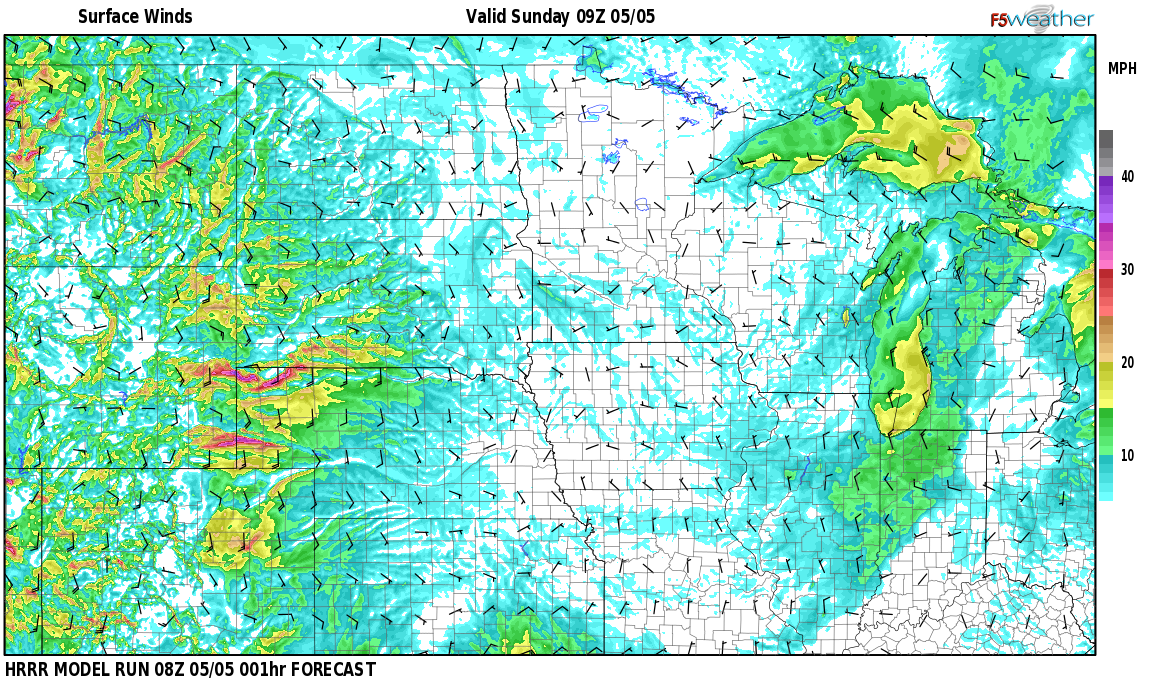
• Average Wind Speed: 10.1 mph (16.3 km/h)
• Prevailing Wind Direction: West-Southwest
5. Sunshine
• Average Annual Sunshine Hours: 2,500 hours
• Most Sunshine Occurs in: July
6. Climate Extremes
• Highest Recorded Temperature: 111°F (44°C)
• Lowest Recorded Temperature: -32°F (-36°C)
7. Growing Season
• Average Frost-Free Period: 160 days
• Last Spring Frost: April 20th
• First Fall Frost: October 10th
8. Climate Classification
• Köppen Climate Classification: Dfa (Hot Summer Continental Climate)
9. Climate Variability
• Prophetstown's climate is subject to variability, including occasional extreme weather events such as heat waves, cold spells, droughts, and heavy snowfall.
10. Climate Change Impacts
• Like many regions, Prophetstown's climate is expected to experience the effects of climate change, such as rising temperatures, changes in precipitation patterns, and an increase in extreme weather events.
|
|
| Facts & Historical Information
(made with AI, use with caution)
| Prophetstown, Illinois, holds a rich natural and historical legacy. Natural History
• The Rock River, a vital waterway, flows through the town, providing habitat for diverse aquatic life.
• Prophetstown is surrounded by the Grand Detour Unit of the Upper Mississippi River National Wildlife and Fish Refuge, a sanctuary for migratory birds and other wildlife.
• The nearby Nachusa Grasslands preserve protects a vast expanse of prairie, home to bison, elk, and other native species.
Science
• In 1854, Prophetstown hosted a gathering of scientists, including Joseph Henry and Alexander Dallas Bache, to establish the Smithsonian Institution's weather observation network.
• The town's namesake, the Prophet, was a Native American leader who advocated for scientific methods in agriculture and medicine.
Personalities
• Black Hawk, the Sauk leader, visited Prophetstown in 1832 during the Black Hawk War.
• John Deere, the inventor of the steel plow, had a blacksmith shop in Prophetstown in 1838.
• The town's first mayor, James W. Grimes, later served as Governor of Iowa and a U.S. Senator.
|
|
Tourist Attractions
| 1.Prophetstown State Recreation Area: This sprawling park offers scenic hiking trails, fishing spots, camping grounds, and a beach on the Rock River. 2.Prophetstown Historical Society Museum: Delve into the town's rich history at this museum, showcasing artifacts and exhibits on local industries, agriculture, and notable figures. 3.White Pines State Park: Just a short drive from Prophetstown, this park boasts towering white pine trees, hiking trails, a campground, and a scenic lake for fishing and boating. |
|
Nearby Cities:| Erie, IL | | Morrison, IL | Rock Falls, IL | | Sterling, IL | Clinton, IA | | Fulton, IL | Camanche, IA | | Walnut, IL | Geneseo, IL | | Port Byron, IL | Le Claire, IA | | Chicago, IL | | Madison, WI | Aurora, IL | | Rockford, IL | Joliet, IL | | Naperville, IL | Cedar Rapids, IA | | Peoria, IL | North Peoria, IL | | Elgin, IL | Davenport, IA | | Waukegan, IL | |
|