Climate Summary
(made with AI, use with caution)
| Mount Pulaski, Illinois has a humid continental climate, characterized by hot, humid summers and cold, dry winters. The city experiences four distinct seasons, with average temperatures ranging from 20°F in January to 78°F in July. Temperature • Average annual temperature: 52.2°F
• Average summer temperature (June-August): 75.5°F
• Average winter temperature (December-February): 29.2°F
• Record high temperature: 113°F (July 14, 1954)
• Record low temperature: -26°F (January 10, 1982) Precipitation • Average annual precipitation: 37.5 inches
• Average snowfall: 22.7 inches
• Wettest month: May (4.5 inches)
• Driest month: February (1.8 inches) Humidity • Average annual relative humidity: 73%
• Highest humidity: July (80%)
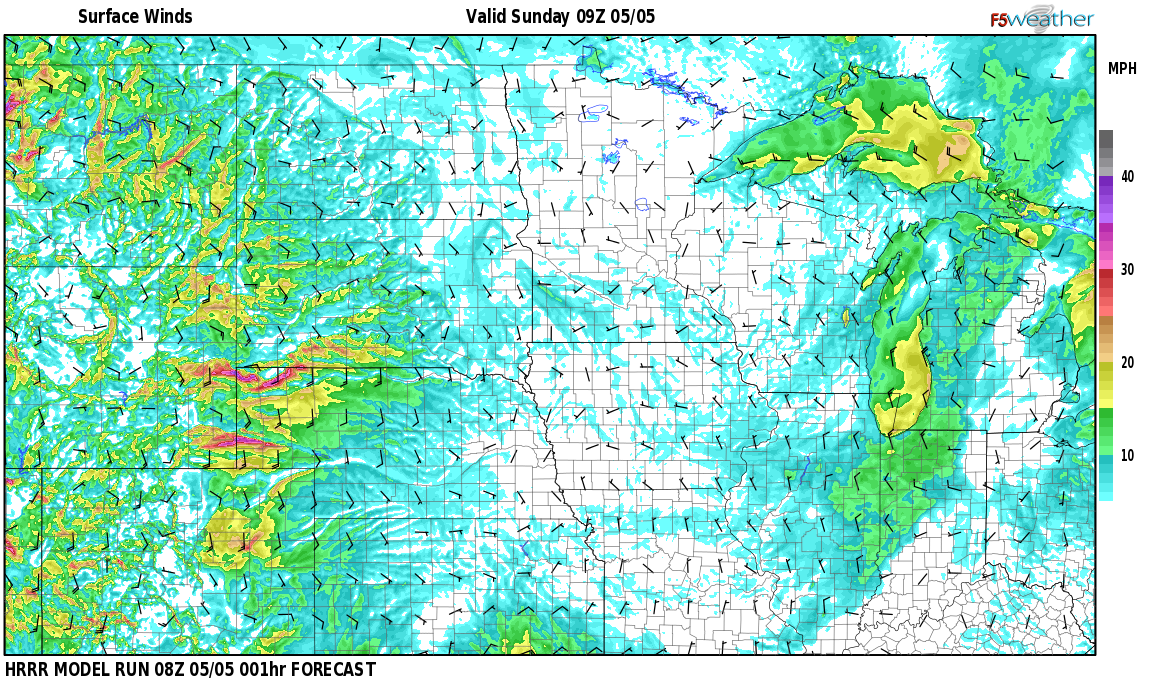
• Lowest humidity: January (65%) Wind • Average annual wind speed: 10.2 mph
• Prevailing wind direction: Southwest Severe Weather • Mount Pulaski is located in an area that is prone to severe weather, including tornadoes, hail, and thunderstorms. The city has experienced several significant tornadoes in the past, including an EF4 tornado in 1996 that caused extensive damage. Climate Change • Like many parts of the world, Mount Pulaski is experiencing the effects of climate change. Average temperatures have been rising in recent decades, and the city has seen an increase in extreme weather events, such as heat waves and heavy rainfall. |
|
| Facts & Historical Information
(made with AI, use with caution)
| Natural HistoryFossil Record: Mount Pulaski is renowned for its abundant fossil record, particularly of marine organisms from the Pennsylvanian period (323-299 million years ago). Coal Formation:The area's thick coal seams were formed from ancient peat bogs that flourished during the Pennsylvanian period. Glacial Deposits:The Illinois River Valley, where Mount Pulaski is located, was shaped by glacial activity during the Pleistocene epoch (2.6 million-11,700 years ago). Science Coal Mining:Mount Pulaski was a major coal mining center in the late 19th and early 20th centuries. Paleontological Research:The area has attracted numerous paleontologists and researchers due to its rich fossil record. Environmental Conservation:The Mount Pulaski Nature Preserve protects a diverse ecosystem, including wetlands, forests, and prairies. Personalities John Wesley Powell:The renowned explorer and geologist, who led the first expedition down the Colorado River, was born in Mount Pulaski in 1834. William Jennings Bryan:The three-time Democratic presidential nominee and orator grew up in Mount Pulaski and attended Illinois College there. Carl Sandburg:The Pulitzer Prize-winning poet and biographer spent his childhood in Mount Pulaski and often wrote about the area in his works. |
|
Tourist Attractions
| 1.Lincoln's New Salem State Historic Site (Petersburg, IL): A living history museum that recreates the 1830s village where Abraham Lincoln lived and worked. 2.Clinton Lake State Recreation Area (Clinton, IL): A 4,900-acre lake with opportunities for boating, fishing, camping, and hiking. 3.Mount Pulaski Courthouse State Historic Site (Mount Pulaski, IL): The site of the first Lincoln-Douglas debate in 1858. |
|
Nearby Cities:| Lincoln, IL | | Warrensburg, IL | Williamsville, IL | | Harristown, IL | Maroa, IL | | Atlanta, IL | Riverton, IL | | Forsyth, IL | Sherman, IL | | Clinton, IL | Decatur, IL | | Grandview, IL | Rochester, IL | | Blue Mound, IL | Athens, IL | | Springfield, IL | Richmond, IL | | Joliet, IL | | Peoria, IL | North Peoria, IL | | Champaign, IL | Bloomington, IL | | Saint Charles, MO | Terre Haute, IN | | Normal, IL | Saint Peters, MO | | Florissant, MO | Chesterfield, MO | | Moline, IL | |
|