Climate Summary
(made with AI, use with caution)
| Divernon, Illinois has a humid continental climate, characterized by hot, humid summers and cold, dry winters. The average annual temperature is 52.5°F, with an average high of 65.5°F and an average low of 39.5°F. Summer
• Average high: 85°F
• Average low: 65°F
• Precipitation: 4 inches per month
Winter
• Average high: 35°F
• Average low: 20°F
• Precipitation: 2 inches per month
Spring and Fall
• Average high: 60-75°F
• Average low: 40-55°F
• Precipitation: 3 inches per month
Precipitation
• Annual average: 36 inches
• Most precipitation occurs in May and June
• Least precipitation occurs in January and February
Other Climate Information
• Average annual snowfall: 18 inches
• Average number of days with measurable precipitation: 105
• Average number of days with snow cover: 30
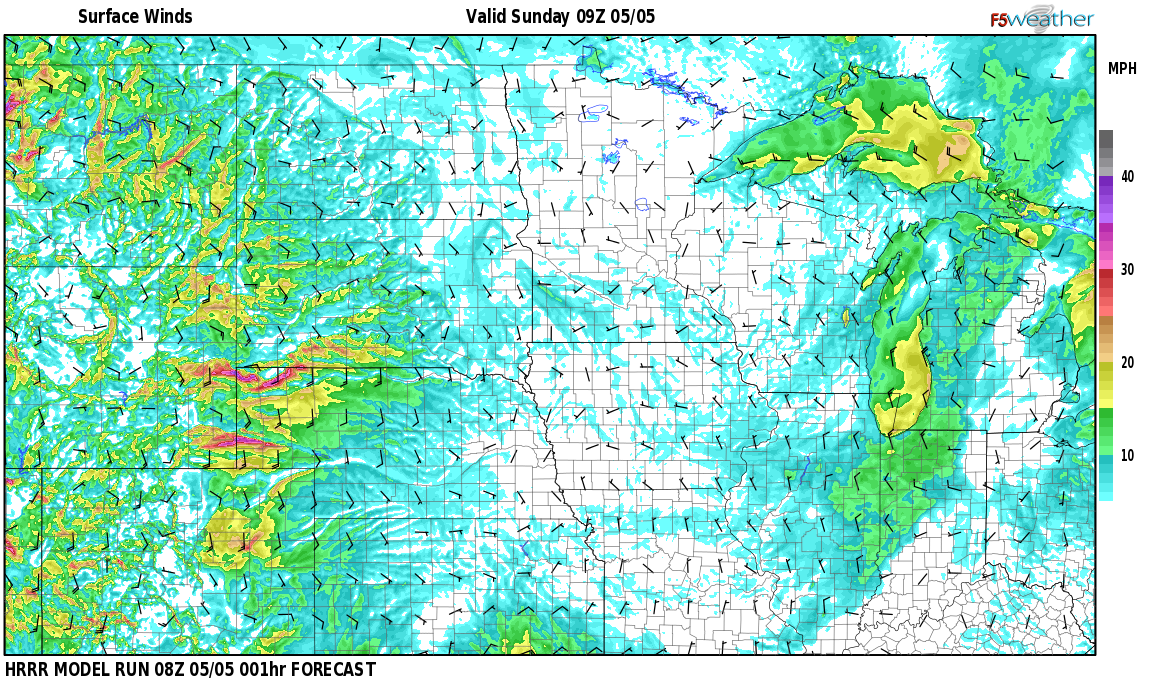
• Average wind speed: 10 mph
• Prevailing wind direction: Southwest
Climate Summary
Divernon, Illinois has a humid continental climate with hot, humid summers and cold, dry winters. The average annual temperature is 52.5°F, with an average high of 65.5°F and an average low of 39.5°F. Precipitation is fairly evenly distributed throughout the year, with the most precipitation occurring in May and June and the least precipitation occurring in January and February. The average annual snowfall is 18 inches.
|
|
| Facts & Historical Information
(made with AI, use with caution)
| Divernon, Illinois, holds a wealth of natural history, scientific, and historical significance. The town is situated near the Sangamon River, providing a rich habitat for diverse flora and fauna. The area boasts numerous natural springs and sinkholes, a testament to the region's unique geology. Divernon has a long history of scientific exploration. In the 19th century, the town was a hub for paleontological research, with renowned scientists such as Othniel Charles Marsh and Edward Drinker Cope excavating fossils of ancient marine creatures. Their discoveries contributed significantly to our understanding of prehistoric life. One of Divernon's most notable personalities was Dr. William H. Holmes, a renowned anthropologist and archaeologist. Holmes conducted extensive studies of the Native American cultures in the region, shedding light on their history and cultural practices. His work laid the foundation for modern archaeological research in the United States. Divernon's natural beauty and scientific heritage continue to attract visitors and researchers today. The town's parks and natural areas offer opportunities for outdoor recreation and wildlife observation, while its historical sites preserve the legacy of scientific exploration and cultural history. |
|
Tourist Attractions
| 1.Lincoln Home National Historic Site (Springfield, IL): The home of Abraham Lincoln and his family from 1844 to 1861, this site offers a glimpse into the life of one of America's most famous presidents. Visitors can tour the home, learn about Lincoln's life and career, and explore the surrounding park. 2.New Salem State Historic Site (Petersburg, IL): This living history museum recreates the village where Lincoln lived and worked as a young man. Visitors can explore the reconstructed buildings, meet costumed interpreters, and learn about the daily life of the 1830s. 3.Dana-Thomas House (Springfield, IL): Designed by Frank Lloyd Wright, this Prairie School masterpiece is one of the most iconic homes in America. Visitors can tour the home, learn about Wright's architectural style, and admire the stunning stained glass windows and woodwork. |
|
Nearby Cities:| Pawnee, IL | | Auburn, IL | Virden, IL | | Chatham, IL | Girard, IL | | Kincaid, IL | Southern View, IL | | Morrisonville, IL | Jerome, IL | | Rochester, IL | Leland Grove, IL | | Edinburg, IL | Waverly, IL | | Springfield, IL | Grandview, IL | | New Berlin, IL | Taylorville, IL | | Peoria, IL | | North Peoria, IL | Champaign, IL | | Bloomington, IL | Decatur, IL | | Saint Charles, MO | Terre Haute, IN | | Normal, IL | Saint Peters, MO | | Florissant, MO | Chesterfield, MO | | Urbana, IL | |
|