Climate Summary
(made with AI, use with caution)
| Coal Valley, Illinois Climate Summary Temperature • Average annual temperature: 52.2°F (11.2°C)
• Average summer temperature: 73.3°F (22.9°C)
• Average winter temperature: 29.9°F (-1.2°C)
• Highest recorded temperature: 114°F (45.6°C) on July 14, 1936
• Lowest recorded temperature: -30°F (-34.4°C) on January 20, 1985 Precipitation • Average annual precipitation: 36.5 inches (92.7 cm)
• Average snowfall: 25.6 inches (65.0 cm)
• Wettest month: May, with an average of 4.3 inches (10.9 cm) of precipitation
• Driest month: February, with an average of 1.8 inches (4.6 cm) of precipitation Humidity • Average annual relative humidity: 73%
• Highest average relative humidity: 82% in January
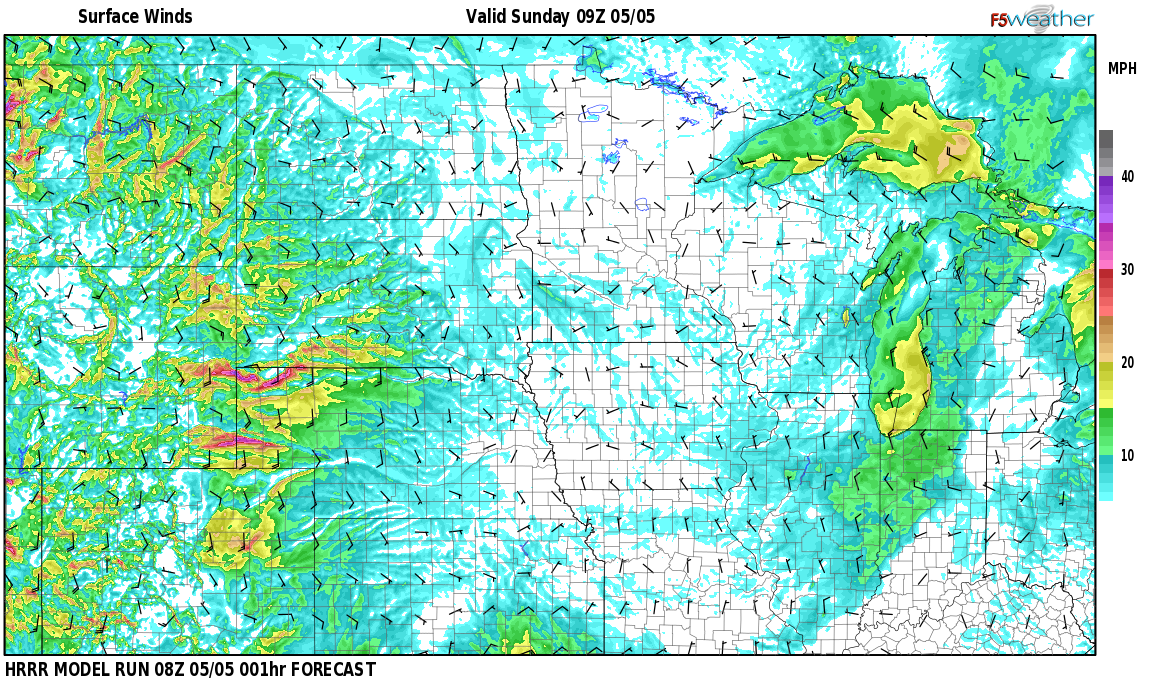
• Lowest average relative humidity: 63% in June Wind • Average annual wind speed: 10.4 mph (16.7 km/h)
• Most frequent wind direction: West Climate Classification • Köppen climate classification: Dfa (hot summer continental climate) Tornado Activity • Coal Valley is located in an area with a moderate risk of tornadoes.
• The average number of tornadoes per year is 1.
• The most recent tornado to hit Coal Valley was an EF1 tornado on June 22, 2018. Overall Coal Valley, Illinois has a humid continental climate with hot summers and cold winters. The average annual temperature is 52.2°F (11.2°C), and the average annual precipitation is 36.5 inches (92.7 cm). The climate is generally mild, but there can be extreme weather events, such as tornadoes and blizzards. |
|
| Facts & Historical Information
(made with AI, use with caution)
| Coal Valley, Illinois, boasts a rich natural history and scientific legacy. In the early 1900s, the town was a hub for coal mining, with numerous mines extracting vast quantities of coal from the underlying Pennsylvanian strata. These mines played a pivotal role in fueling the industrial growth of the Midwest. Coal Valley is also renowned for its fossil discoveries. The Mazon Creek fossil beds, located nearby, have yielded an abundance of exceptionally preserved plant and animal fossils dating back to the Carboniferous period. These fossils provide valuable insights into the ancient ecosystems that existed in Illinois millions of years ago. One notable personality associated with Coal Valley is George Langford, a prominent geologist and paleontologist. Langford conducted extensive research on the Mazon Creek fossil beds and made significant contributions to our understanding of the region's geological and paleontological history. His work has helped shed light on the evolution of life during the Carboniferous period. |
|
Tourist Attractions
| 1.Black Hawk State Historic Site (12 miles south of Coal Valley): A 200-acre park that commemorates the life and legacy of Sauk leader Black Hawk. Visitors can explore a replica of Black Hawk's village, learn about Native American history, and hike through scenic trails. 2.Davenport Skybridge (across the Mississippi River in Davenport, IA): A pedestrian bridge that spans the Mississippi River, connecting Davenport, IA with Rock Island, IL. The bridge offers stunning views of the river and the surrounding area. 3.Figge Art Museum (across the Mississippi River in Davenport, IA): An art museum that houses a collection of over 2,000 works of art, including paintings, sculptures, and prints. The museum also features a variety of educational programs and exhibitions. |
|
Nearby Cities:| East Moline, IL | | Orion, IL | Milan, IL | | Carbon Cliff, IL | Green Rock, IL | | Moline, IL | Silvis, IL | | Colona, IL | Bettendorf, IA | | Rock Island, IL | Davenport, IA | | Hampton, IL | Andalusia, IL | | Le Claire, IA | Buffalo, IA | | Port Byron, IL | Geneseo, IL | | Aurora, IL | | Rockford, IL | Naperville, IL | | Cedar Rapids, IA | Springfield, IL | | Peoria, IL | North Peoria, IL | | Elgin, IL | Bloomington, IL | | Iowa City, IA | Waterloo, IA | | Janesville, WI | |
|