Climate Summary
(made with AI, use with caution)
| Climate Summary for Brighton, Illinois General Climate • Brighton, Illinois experiences a humid continental climate, characterized by hot, humid summers and cold, snowy winters.
• The city is located in USDA Plant Hardiness Zone 5b, with an average annual minimum temperature of -10°F and an average annual maximum temperature of 86°F. Temperature • Summer Average high temperatures in July and August range from 84-86°F, with average lows in the mid-60s °F. • Winter Average high temperatures in January and February range from 30-32°F, with average lows in the mid-teens °F. • Spring and Fall Spring and fall temperatures are generally mild, with average high temperatures in the 50s and 60s °F and average lows in the 30s and 40s °F. Precipitation • Brighton receives an average of 40 inches of precipitation annually, distributed fairly evenly throughout the year.
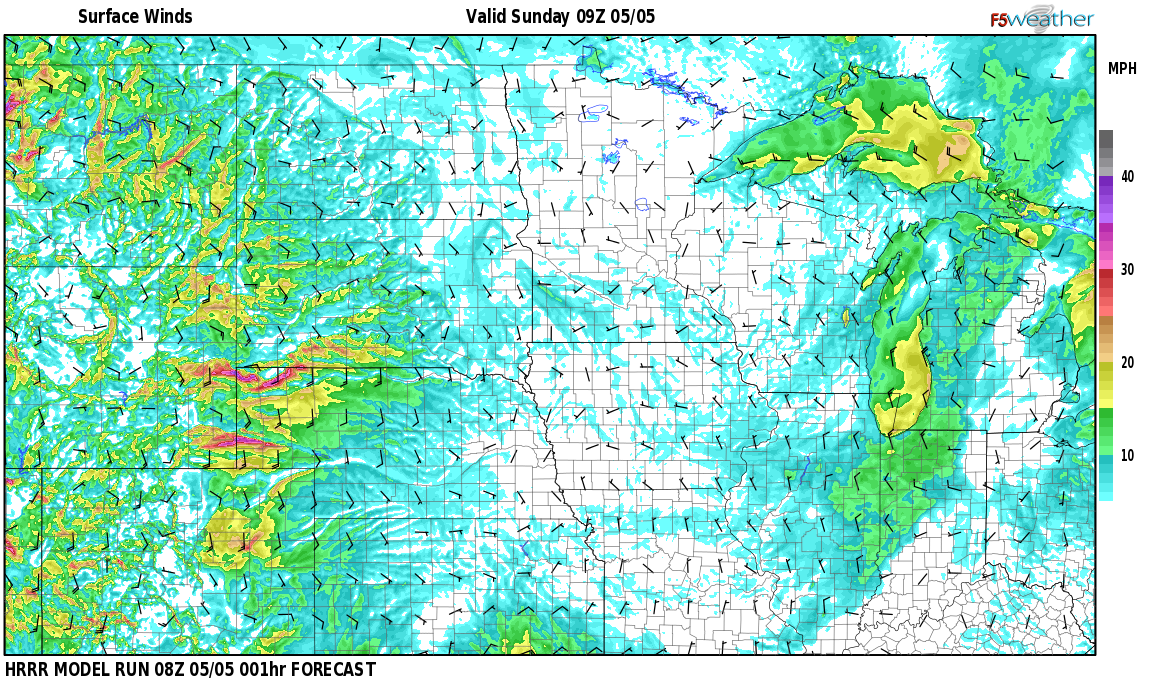
• The city experiences occasional thunderstorms during the summer months and snowfall during the winter months. Humidity • Brighton has high humidity levels throughout the year, with average relative humidity ranging from 60-80%. Sunshine • Brighton receives an average of 2,500 sunshine hours per year, with the sunniest months being June and July. Wind • Prevailing winds in Brighton are from the west and northwest.
• Wind speeds average around 10 mph throughout the year. Climate Extremes • Brighton has experienced record high temperatures above 100°F and record low temperatures below -20°F.
• The city has also experienced severe weather events such as tornadoes, hailstorms, and floods. Overall, Brighton's climate is characterized by hot, humid summers, cold, snowy winters, and mild spring and fall seasons. |
|
| Facts & Historical Information
(made with AI, use with caution)
| Natural History • Brighton is situated on the Mississippi River floodplain, creating a diverse ecosystem with wetlands, forests, and prairies. • The area is home to over 200 bird species, including bald eagles and great blue herons. • Brighton Lake State Park preserves a 2,300-acre wetland complex, providing habitat for fish, reptiles, and amphibians. Science • The Illinois Natural History Survey maintains a research station in Brighton, studying the ecology of the Mississippi River and its tributaries. • The University of Illinois at Urbana-Champaign operates a weather station in Brighton, providing valuable data for meteorological research. Personalities John James Audubon:The renowned ornithologist visited Brighton in 1820 and collected numerous bird specimens for his iconic work, \ |
|
Tourist Attractions
| 1.Pere Marquette State Park is a 1,200-acre park located on the Illinois River. The park features a variety of activities, including hiking, biking, fishing, boating, and camping. 2.The Great River Road is a scenic highway that follows the Mississippi River for 3,000 miles. The road passes through Brighton, IL, and offers stunning views of the river and the surrounding countryside. 3.The National Great Rivers Museum is a museum dedicated to the history and culture of the Mississippi River. The museum is located in Alton, IL, just a short drive from Brighton. |
|
Nearby Cities:| Godfrey, IL | | Upper Alton, IL | Bethalto, IL | | Alton, IL | Bunker Hill, IL | | Rosewood Heights, IL | East Alton, IL | | Jerseyville, IL | Wood River, IL | | Roxana, IL | Holiday Shores, IL | | Hartford, IL | South Roxana, IL | | Spanish Lake, MO | Worden, IL | | Black Jack, MO | Edwardsville, IL | | Columbia, MO | | Springfield, IL | Peoria, IL | | North Peoria, IL | Bloomington, IL | | Decatur, IL | Saint Charles, MO | | Normal, IL | Saint Peters, MO | | Chesterfield, MO | Jefferson City, MO | | Belleville, IL | |
|